

Dog Training for Destructive Behavior in Kansas City
Stop destructive chewing & behavior in Kansas City dogs
Transform destructive dogs into calm, mentally fulfilled companions—ending property damage and stress.
The Heartbreak of Coming Home to Destruction
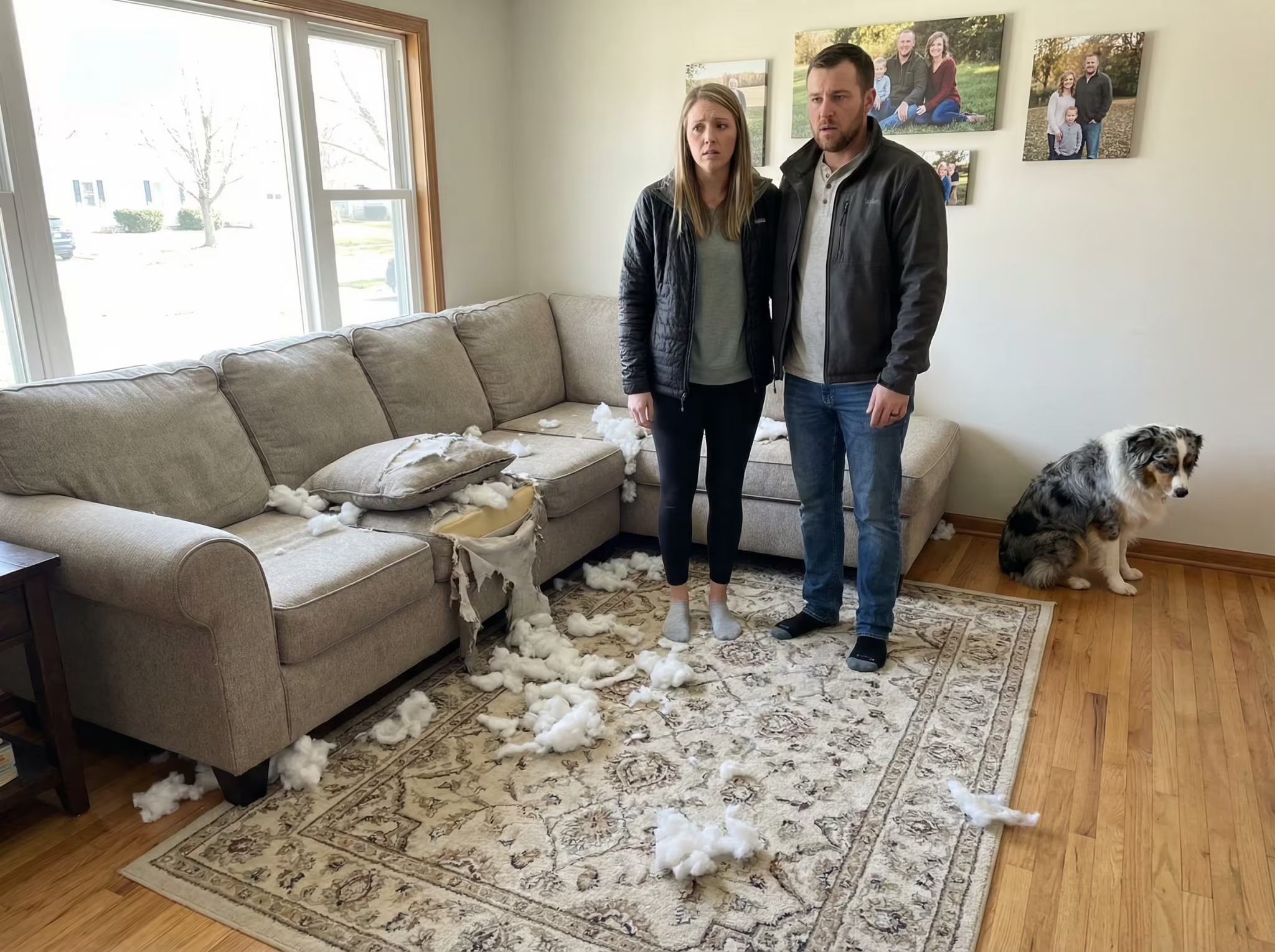
The Heartbreak of Coming Home to Destruction
Why Your Dog Destroys Your Home—And Why It Matters
You come home to shredded couch cushions, chewed furniture, and damaged belongings. This is where structured dog training for destructive behavior becomes essential—not just for your home, but for your dog’s wellbeing. The financial toll mounts—hundreds or thousands in damaged property. But worse is the emotional exhaustion: the dread before opening your front door, the anger mixed with guilt, the fear your dog is suffering anxiety you can’t fix.
Destructive behavior rarely resolves on its own—it escalates. Untrained dogs don’t “grow out of it.” Boredom intensifies. Anxiety worsens. Property damage accumulates. Landlords issue warnings. The bond with your dog strains as frustration replaces affection. Without intervention addressing root causes—separation anxiety, insufficient mental stimulation, lack of appropriate outlets—the destruction continues, your home suffers, and your dog’s underlying distress remains unaddressed.
Common Destructive Behavior Challenges:
- Stop Destructive Chewing on Furniture, Shoes & Belongings – Your dog targets specific items—furniture, door frames, shoes, remotes—despite having toys available. Chewing satisfies natural needs (teething, boredom relief, anxiety management), but inappropriate targets create financial damage and safety hazards (ingested materials, splintered wood).
- Dog Chewing Training to Redirect Energy Appropriately – You’ve tried sprays, crating, yelling—nothing stops the chewing. Your dog needs appropriate outlets and mental enrichment that satisfy the same drives currently destroying your belongings. Training redirects chewing to acceptable items through positive reinforcement, not punishment.
- Dog Digging Solutions for Yard Destruction & Escape Attempts – Holes throughout your yard, landscaping ruined, attempts to dig under fences threatening escape. Digging satisfies instincts (cooling off, hunting, boredom), but creates property damage and safety risks. Solutions require appropriate outlets plus addressing underlying causes.
Our Trust-First Solution
How We Stop Destructive Behavior Dog Training That Works
Traditional approaches—punishment, confinement, sprays—treat symptoms without addressing why destruction happens: anxiety (separation, environmental), insufficient mental stimulation, lack of appropriate outlets for natural drives, teething discomfort (puppies), or learned attention-seeking behaviors. At Marquis Dog Training, our dog training for destructive behavior identifies root causes and creates solutions that fulfill your dog’s needs appropriately.
We work in your home, assessing what triggers destructive behavior and building a customized dog training for destructive behavior plan that fits your dog and environment.
Our Trust-First Method Approach Includes:
- Root Cause Assessment – Identifying whether destruction stems from separation anxiety, boredom, insufficient exercise, teething, or attention-seeking—treating the cause, not just symptoms
- Mental Enrichment Protocols – Introducing puzzle feeders, scent work, training games, and structured activities that exhaust mental energy constructively, reducing destructive outlet-seeking
- Appropriate Outlet Training – Teaching your dog what they CAN chew, dig, or shred (designated toys, digging boxes, appropriate items), redirecting natural drives to acceptable targets through positive reinforcement
- Impulse Control & Settle Training – Building your dog’s ability to self-regulate, choose calm behaviors, and manage arousal levels—reducing destruction driven by inability to settle or control impulses

How Dog Destructive Behavior Training Works
How Our Trust-First Method Works
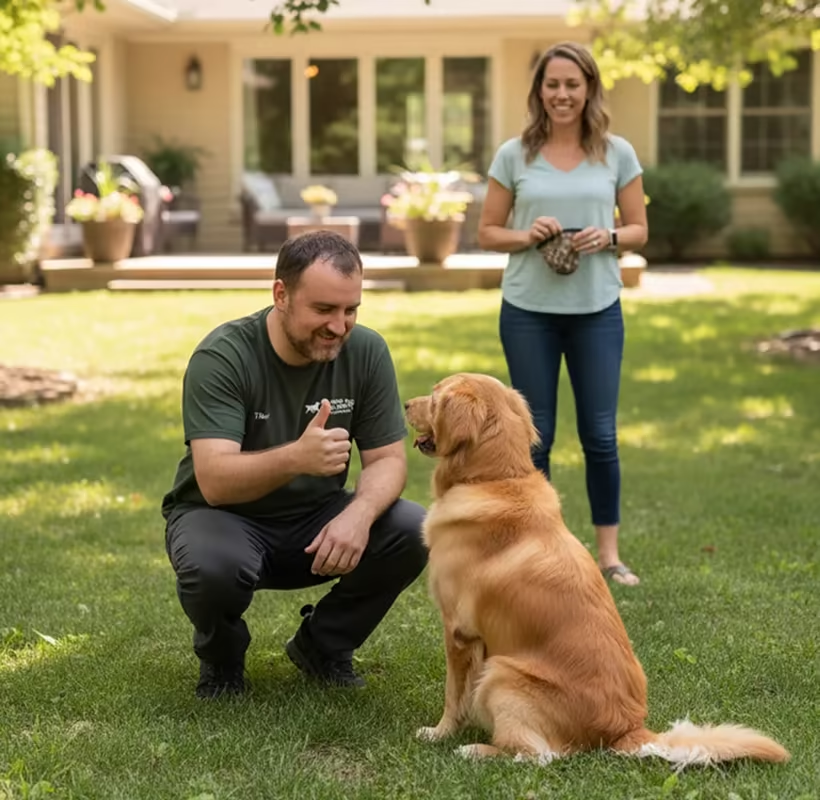
In-Home Assessment
We observe your home environment, identify what your dog destroys (furniture types, locations, items), when destruction occurs (immediately after you leave, specific times, random), and document patterns. We assess for separation anxiety indicators (destruction only when alone, targeting owner-scented items), boredom signs (destruction after insufficient exercise), or teething needs (puppy age).

Foundation Skills at Home
We introduce structured mental enrichment—puzzle feeders at mealtimes, scent games, training sessions providing cognitive challenge—exhausting mental energy that previously fueled destruction. Your dog learns appropriate chew items (Kongs, bully sticks, safe toys) through positive reinforcement, develops designated areas for natural behaviors, and receives structured exercise protocols.

Controlled Exposure Sessions
We build your dog’s self-regulation skills—teaching “settle” on mat, impulse control games (leave it, wait, controlled excitement), and calm behavior choices. Your dog learns to manage arousal without destructive outlets, choose appropriate items independently, and self-soothe during alone time or boredom. We troubleshoot destruction triggers and create protocols for high-risk situations.

Confidence & Maintenance
we address maintaining progress during schedule changes, preventing regression when routines shift, and scaling back management as reliability increases. Clear protocols for introducing formerly destroyed items back into accessible areas, rotating enrichment to prevent boredom, and recognizing early warning signs if stress resurfaces. Ongoing support helps troubleshoot new challenges as life circumstances change.
Outcomes You Can Expect

Reduction in Property Damage
Your furniture, belongings, and home stay protected as your dog learns appropriate outlets, reducing the financial burden of constant replacement and protecting security deposits or home value.

Mentally Fulfilled Dogs Who Self-Regulate
Your dog learns to choose calm behaviors, manage boredom independently through appropriate toys/activities, and self-soothe without destroying property—transforming anxious, destructive energy into confident, relaxed companionship.

Restored Peace of Mind Coming Home
No more dread opening your front door. Anxiety about what you’ll find ends, replaced by trust your home remains intact. The emotional exhaustion of constant vigilance and cleanup disappears as your dog’s reliability increases.
Complimentary 30 min in-home visit

Key Destructive Behavior
skills we teach
Destruction isn’t spite it’s a symptom of anxiety, boredom, or unmet needs. We identify the root cause and teach your dog appropriate outlets and calming behaviors. A tired, enriched dog doesn’t destroy.

Environmental Enrichment & Puzzle Toys
Your dog learns to engage with mental stimulation toys and food puzzles that occupy their brain instead of focusing on furniture.

Appropriate Chewing Object Recognition
Your dog clearly understands which items are theirs to chew (designated toys, long-lasting chews) versus human belongings.

Exercise Routine Integration
Your dog learns to anticipate and settle after structured daily exercise—tired dogs don’t seek destructive outlets.

Crate Training for Prevention
When you’re away, your dog stays safely in a crate (if trained properly) or confined space, preventing access to destructible items.

Calm Settling During Alone Time
Your dog develops the ability to rest and relax while you’re gone, rather than panicking or seeking outlets for anxiety through destruction.

Impulse Control Around Tempting Items
Your dog learns “leave it” and respects boundaries around shoes, furniture, and other tempting objects—even without supervision.
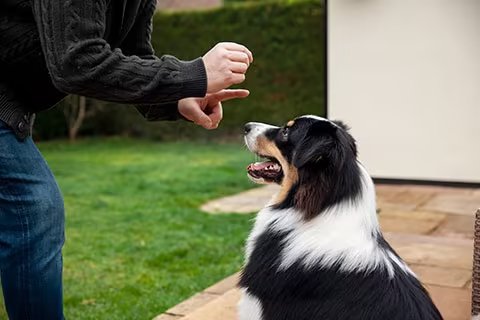
Anxiety Management Through Training
For anxious dogs, destructive behavior decreases as underlying anxiety is addressed through confidence-building and coping skills training.

Take our 3-minute survey
so we can tailor your consultation
Environmental Enrichment & Puzzle Toys
Your dog learns to engage with mental stimulation and enrichment activities—reducing boredom and preventing destructive behavior through structured dog training.
Appropriate Chewing Object Recognition
Your dog learns what they CAN chew through targeted dog training for chewing—redirecting destructive habits into appropriate outlets.
Exercise Routine Integration
Your dog follows structured exercise routines that reduce excess energy—one of the key drivers behind destructive behavior in dogs.
Crate Training for Prevention
Crate training is used strategically to support dog training for destructive behavior—preventing access to destructive outlets while building structure.
Calm Settling During Alone Time
Your dog learns to stay calm when alone—reducing anxiety-driven destructive behavior through structured training and routine.
Impulse Control Around Tempting Items
Your dog learns “leave it” and respects boundaries around tempting items—an essential part of dog training for destructive behavior that prevents chewing and damage before it starts.
Anxiety Management Through Training
For anxious dogs, destructive behavior decreases as underlying anxiety is addressed through structured dog training for destructive behavior and confidence-building exercises.
Take our 3-minute survey
so we can tailor your consultation

Why Marquis Dog Training

Certified, experience-backed training
Your trainer is an AKC Canine Good Citizen Evaluator with behavior and reactive dog training experience, specializing in positive reinforcement methods.

Trust-first, lifestyle-aligned approach
We coach your whole family, not just your dog, so we identify why it’s happening and provide appropriate alternatives.
Separation anxiety requires different solutions than boredom; teething needs different approaches than attention-seeking.

Clear standards and follow-through
If we set a goal, we keep it. You get specific milestones for your dog’s destructive behavior modification progress and honest guidance if reactive dog training or longer support is recommended.
Complimentary 30 min in-home visit
Success stories
Tips to stop destructive behavior in Kansas City homes
Prevention and enrichment strategies that actually work

Create a proper exercise routine aligned with your schedule
Most destructive dogs are under-exercised. Design a realistic daily routine with walks, play, or dog park visits (Loose Park and Mill Creek Dog Park offer great options). A properly tired dog doesn’t destroy—they rest and recover.

Provide mental enrichment, not just physical exercise
Puzzle toys, food-dispensing toys, and sniff games engage your dog’s brain—often more effective than exercise alone. Rotate toys weekly to prevent boredom. Engagement prevents destruction better than confinement ever will.

Identify the root cause before punishing
Destruction is usually anxiety, boredom, or energy outlet—not spite. Before you correct behavior, figure out what’s driving it. Addressing the cause makes destruction naturally resolve instead of just pushing the behavior underground.
Ready to rebuild confidence?
Complimentary 30 min in-home visit




AI Summary
The reviews for the training service highlight a number of strengths, particularly the effectiveness of the training methods and the positive transfor…
Powered by Marquis Dog Training
Why Kansas City families trust us for destructive behavior solutions
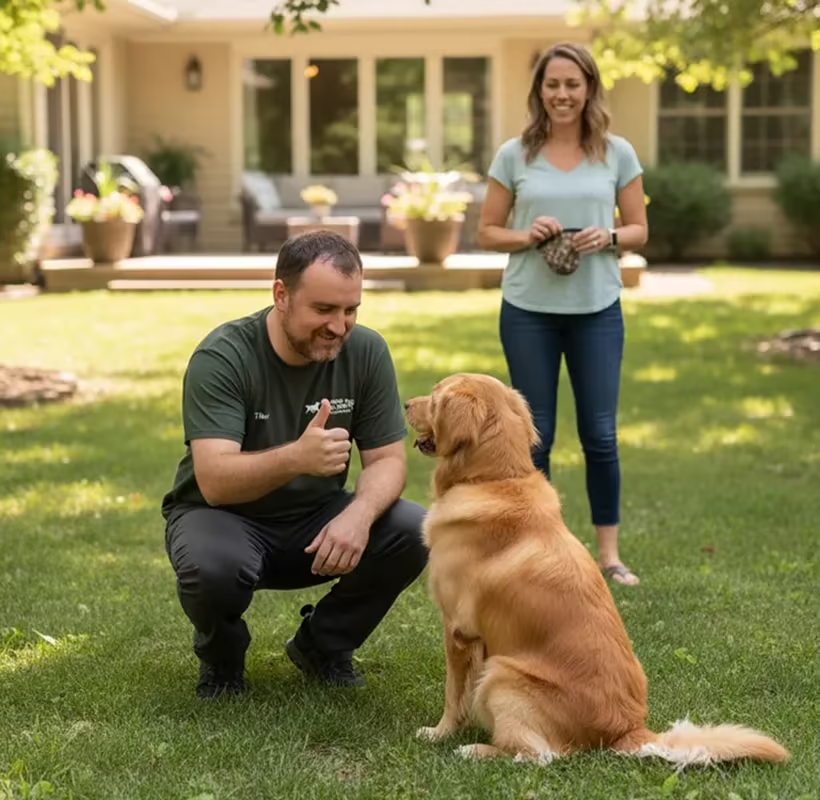
Root Cause Assessment, Not Just Management
Destruction is always a symptom of something—anxiety, boredom, energy, or all three. We identify the actual cause in your home with your routine.

Realistic Exercise & Enrichment Plans
We design exercise and enrichment routines that fit YOUR actual life, not some theoretical perfect schedule. Working full-time? We work with that. Prefer dog parks?
Lasting Behavior Change Through Understanding
Families consistently report their destructive dog becomes genuinely calm and content—not just compliant during training sessions.
What you’ll see in
week one

Home Environment Integrity
Your furniture, baseboards, shoes, and belongings return to intact condition. No more evaluating damage after work or coming home stressed about what your dog destroyed.
Genuine Dog Relaxation
Your dog settles calmly at home instead of constantly seeking outlets for anxiety or energy. You see your dog resting peacefully—actually enjoying being home instead of searching for things to destroy.
Increased Outdoor Engagement
Your dog gets proper exercise and returns home tired, content, and settled. The destructive energy that drove bad behavior transforms into healthy tiredness and contentment.
Peace of Mind for You
You’re no longer calculating damage costs or managing constant stress about what might be destroyed. You can leave your home without anxiety about your dog’s behavior or property loss.

Benny S.
Founder
We come to you across Kansas City Metro cities
Frequently asked questions
Is destructive behavior training right for my dog’s age or situation?
Yes. We successfully address destruction in teething puppies (redirecting chewing to appropriate items), adolescent dogs with excess energy (introducing mental enrichment), adult dogs with anxiety (treating underlying emotional causes), and senior dogs whose destruction signals cognitive decline or medical issues. Each situation requires different approaches—puppies need appropriate outlets and management, anxious adults need counter-conditioning, bored dogs need enrichment. We customize solutions to your dog’s specific root causes
How long does it take to stop destructive behaviors?
Most families see 50-70% reduction within 2-3 weeks as mental enrichment reduces destruction drives and appropriate outlets are established. Full resolution typically takes 4-8 weeks depending on root causes—simple boredom resolves faster than deep separation anxiety. Severe cases with multiple triggers or extensive anxiety may require 8-12 weeks. Timeline depends on consistency implementing enrichment protocols and management strategies during training.
What if my dog destroys things even when exercised and with toys available?
Physical exercise alone doesn’t prevent destruction—mental exhaustion is equally critical. A dog walked 3 miles daily but receiving no cognitive challenge may still destroy from boredom. Similarly, having toys available doesn’t teach a dog to choose them over furniture. We assess whether destruction stems from insufficient mental stimulation (enrichment protocols), lack of training on appropriate items (redirection training), or underlying anxiety requiring emotional intervention beyond exercise and toy access.
Can you guarantee my dog will stop destroying my home?
We guarantee effort, expertise, and a proven root-cause protocol—not perfection, because occasional lapses happen during stress, routine disruptions, or insufficient enrichment. That said, 75-85% of clients achieve dramatic destruction reduction within 4-8 weeks when implementing enrichment protocols consistently. Success requires your commitment to daily mental stimulation—we provide enrichment strategies and training protocols, you execute them consistently to maintain results long-term.
Should I crate my dog to prevent destruction while training?
Crating during training prevents additional damage and keeps your dog safe from ingesting dangerous materials—but it’s management, not training. Crating doesn’t address root causes (anxiety, boredom, lack of outlets); it contains the symptom temporarily. We use crating strategically as part of comprehensive protocols that simultaneously introduce enrichment, appropriate outlets, and anxiety treatment if needed. Goal: eventually phasing out crating as reliability increases and root causes resolve.
What’s the difference between destructive behavior from anxiety vs. boredom?
Anxiety-driven destruction typically occurs during specific triggers (departures, storms, novel situations), targets owner-scented items (pillows, clothing, door frames near exits), and includes other anxiety indicators (pacing, whining, excessive salivation). Boredom-driven destruction is more random, occurs anytime without stimulation, and improves immediately with mental enrichment. Proper diagnosis determines treatment—anxiety requires counter-conditioning and emotional work; boredom needs enrichment protocols and exercise adjustments. We assess which applies to your dog.
How much does destructive behavior training cost?
Destructive chewing and digging are addressed within Family Training ($2,899). Where separation anxiety is the root cause, Freedom ($3,899) is the better fit. Your free assessment tells you which applies.
My dog only destroys when I’m gone. Is this separation anxiety or boredom?
Destruction exclusively during absences suggests separation anxiety if it starts immediately after departure and targets exit areas (doors, windows) or owner-scented items (beds, clothing). If destruction occurs after several hours alone—after boredom sets in—it’s more likely insufficient mental stimulation. Key differences: anxiety-driven destruction is frantic, immediate, and emotionally driven; boredom-driven destruction is calmer, delayed, and stimulus-seeking. We assess patterns, timing, and targets to diagnose accurately and treat appropriately.
Can you stop digging behaviors without eliminating the behavior entirely?
Yes. Many dogs dig instinctively—cooling off in summer, hiding items, hunting prey scents. Complete elimination may be unrealistic for certain breeds (terriers, huskies, dachshunds bred for digging). Instead, we redirect to appropriate locations: digging boxes, designated yard areas, sand pits where digging is encouraged and rewarded. Your dog satisfies natural drives without destroying landscaping. We teach boundaries between appropriate and inappropriate digging zones through management and positive reinforcement.

Ready for a calmer, happier home?
Let’s start with a complimentary in-home assessment. Please fill out our form so we can understand your dog’s needs and create a custom training plan.
Or call us:

We will help you choose the right program.
Book your assessment
"*" indicates required fields