
Dog Socialization Training
for calm, confident dogs in Kansas City
In-home coaching with real-world socialization helps you build safe, predictable behavior
Dog Socialization Problems You’re Seeing
Why Socialization Training for Dogs Matters
When outings feel unpredictable and stressful
You want your dog to enjoy the world, but right now walks, guests, and new environments feel overwhelming. This is where proper dog training and socialization becomes essential.
Left unaddressed, poor socialization training can turn into reactivity, anxiety, or even aggression, making daily life and future training much harder. Early puppy socialization classes help, but many dogs need customized support at home and in real environments to truly relax.
Socialization challenges we often see:
- Puppy socialization classes overwhelm your pup, or the skills don’t transfer home
- Dogs labeled “reactive” who bark, lunge, or shut down around people or dogs
- Families searching “dog socialization near me” who keep getting one-size-fits-all group options
We combine low-stress training, thoughtful exposure, and confidence-building to prevent these issues or begin to undo them.
A Calm, Trust-First Socialization Plan
A calm framework for real-world confidence
Our dog socialization training integrates in-home coaching with carefully structured exposure to people, dogs, and environments across the Kansas City metro. You learn exactly what to do, when to step in, and how to read your dog so they never feel flooded or forced.
Key elements of our approach:
- Step-by-step exposure using low-stress training and positive reinforcement
- Real-world sessions at parks, trails, and dog-friendly spaces, not just in a classroom
- Coaching for you, not just your dog, so you can confidently handle future situations
- Integration with reactive dog training when your dog needs extra support

How Dog Training and Socialization Works
How Dog Training and Socialization Works
In-Home Assessment
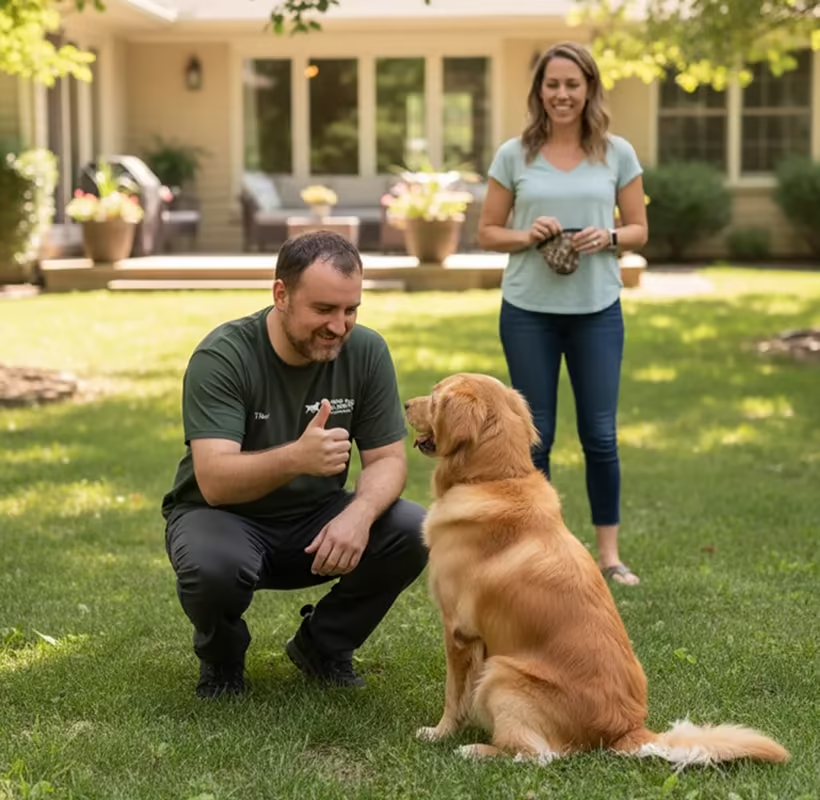
We meet in your home to understand your dog’s history, current behaviors, and your lifestyle. You’ll learn safety basics and simple foundation exercises that set the tone for all future socialization.
Foundation Skills at Home
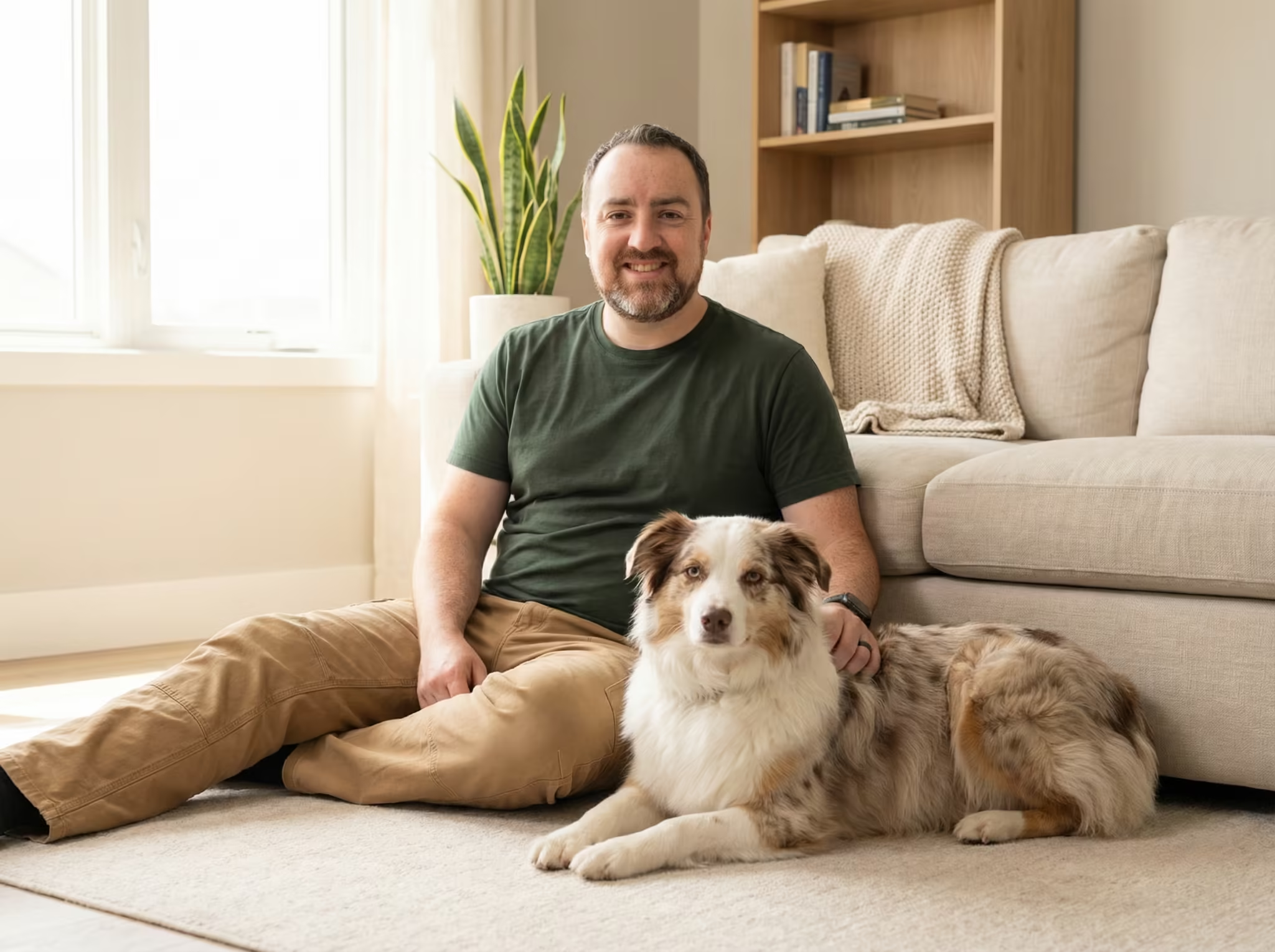
We build focus, calm, and handler engagement before adding distractions. Skills like name response, “let’s go,” and a reliable settle give your dog an anchor when the world feels big.
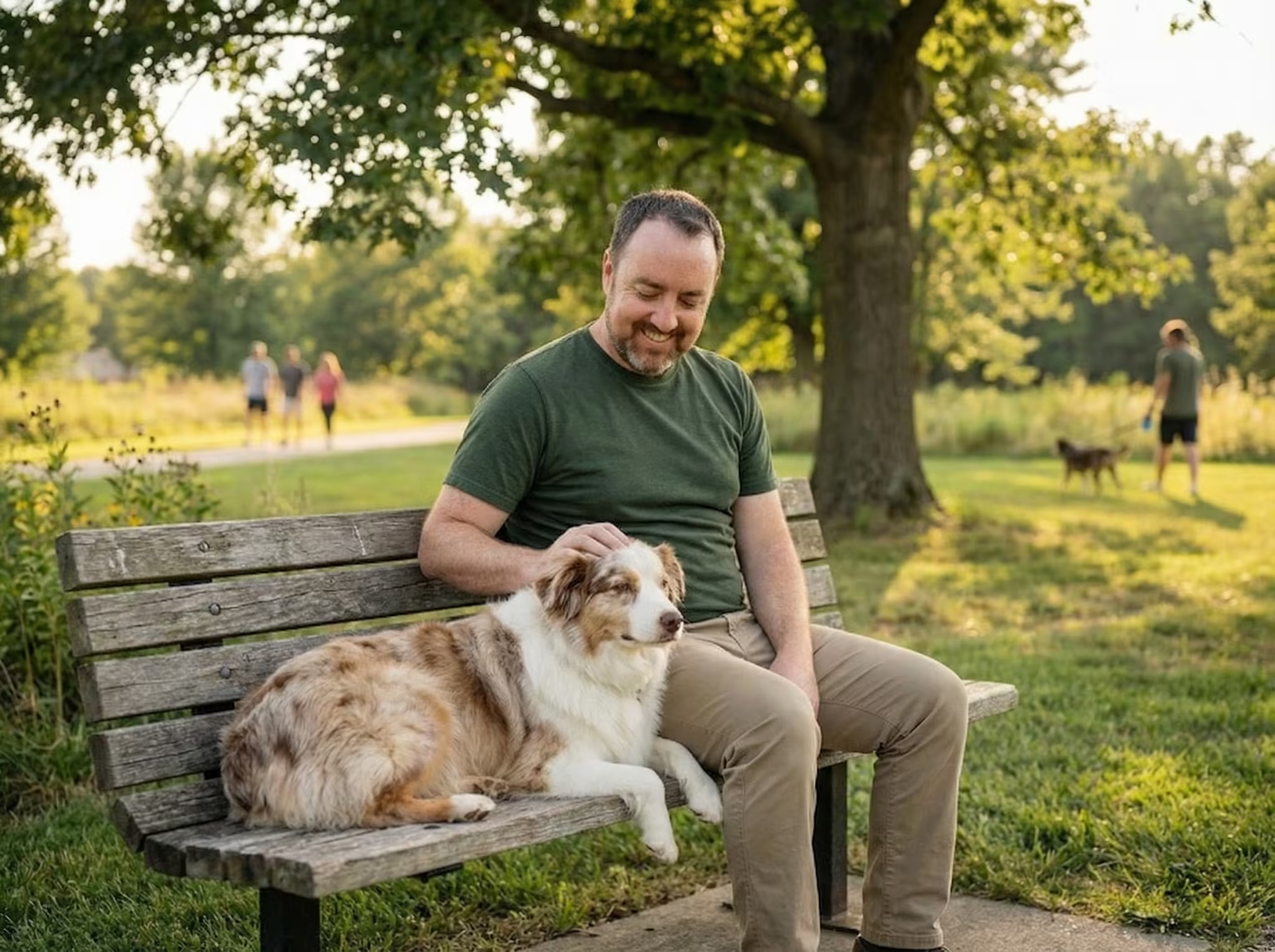
Controlled Exposure Sessions
We take the foundation on the road. Starting at a distance your dog can handle, we introduce new people, dogs, surfaces and sounds one variable at a time. You learn to read the moment before your dog is over threshold, so we end every session on a win rather than pushing through one.
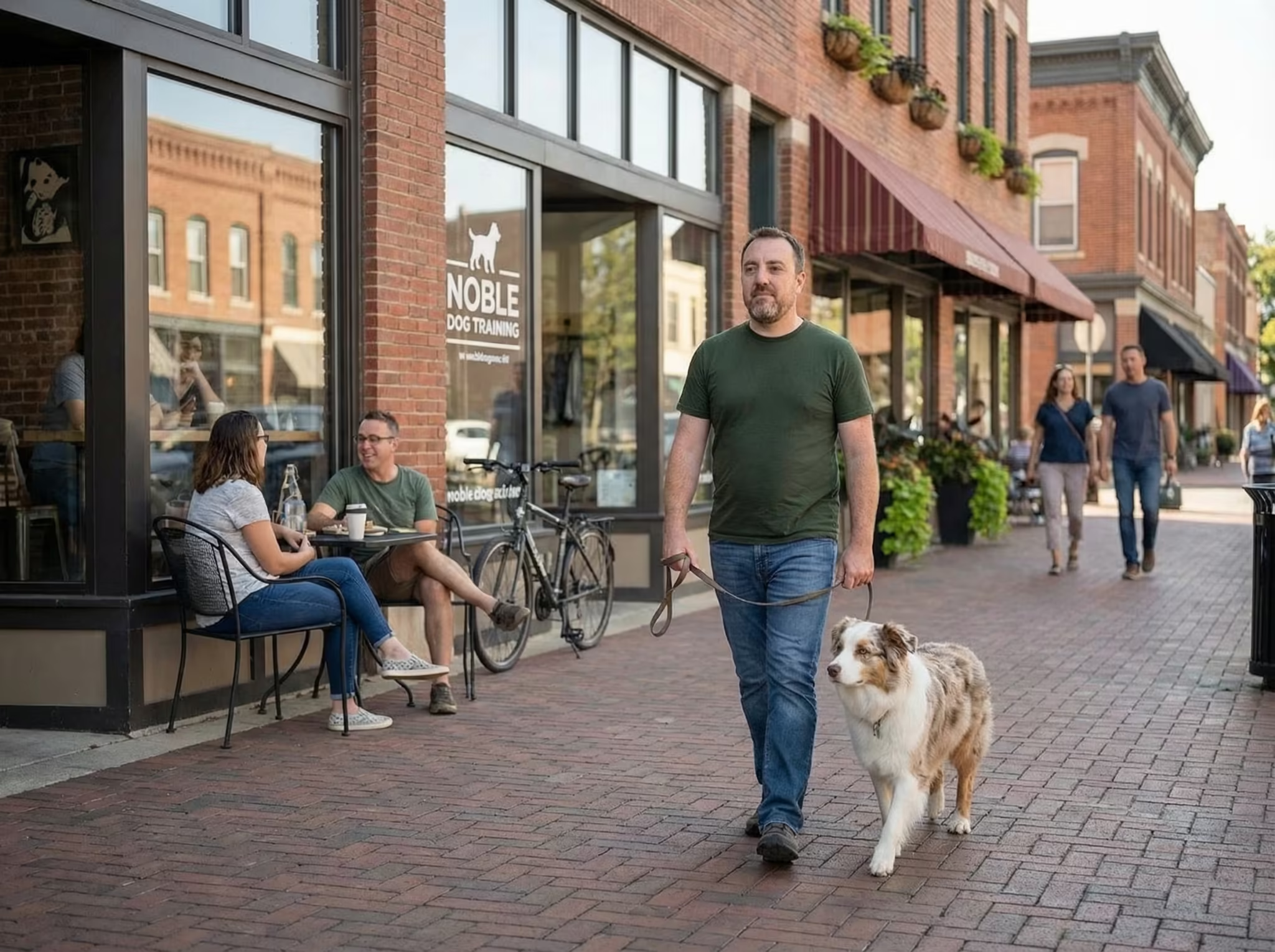
Real-World Confidence & Maintenance
We move into the places you actually go: your street, your vet’s lobby, a patio on a Saturday. You get a written maintenance plan with the weekly reps that hold the progress, and clear markers for what to do if your dog regresses after an illness, a move, or a bad encounter.
Outcomes You Can Expect

Calmer walks and outings
fewer outbursts and faster recovery when surprises happen.

Confident, social dogs
Curious and composed, relax at home, and can navigate new places easily.

Safer, more predictable behavior
improvement in public handling, eye contact, and response to cues
Complimentary 30 min in-home visit

Key Dog Socialization Training skills we teach
Puppies, adolescents, and adult dogs all absorb social experiences that shape how they move through the world. We design calm, low-stress exposure to people, dogs, sounds, and places so your dog learns that life is safe and predictable, not something to bark at, hide from, or power through.
Whether you’re starting fresh with a new puppy or rebuilding confidence with a reactive rescue, we meet you at home first, then guide you into real‑world environments step by step. The goal is a dog who can relax with your family, walk Kansas City neighborhoods, and enjoy parks and patios without chaos or anxiety.
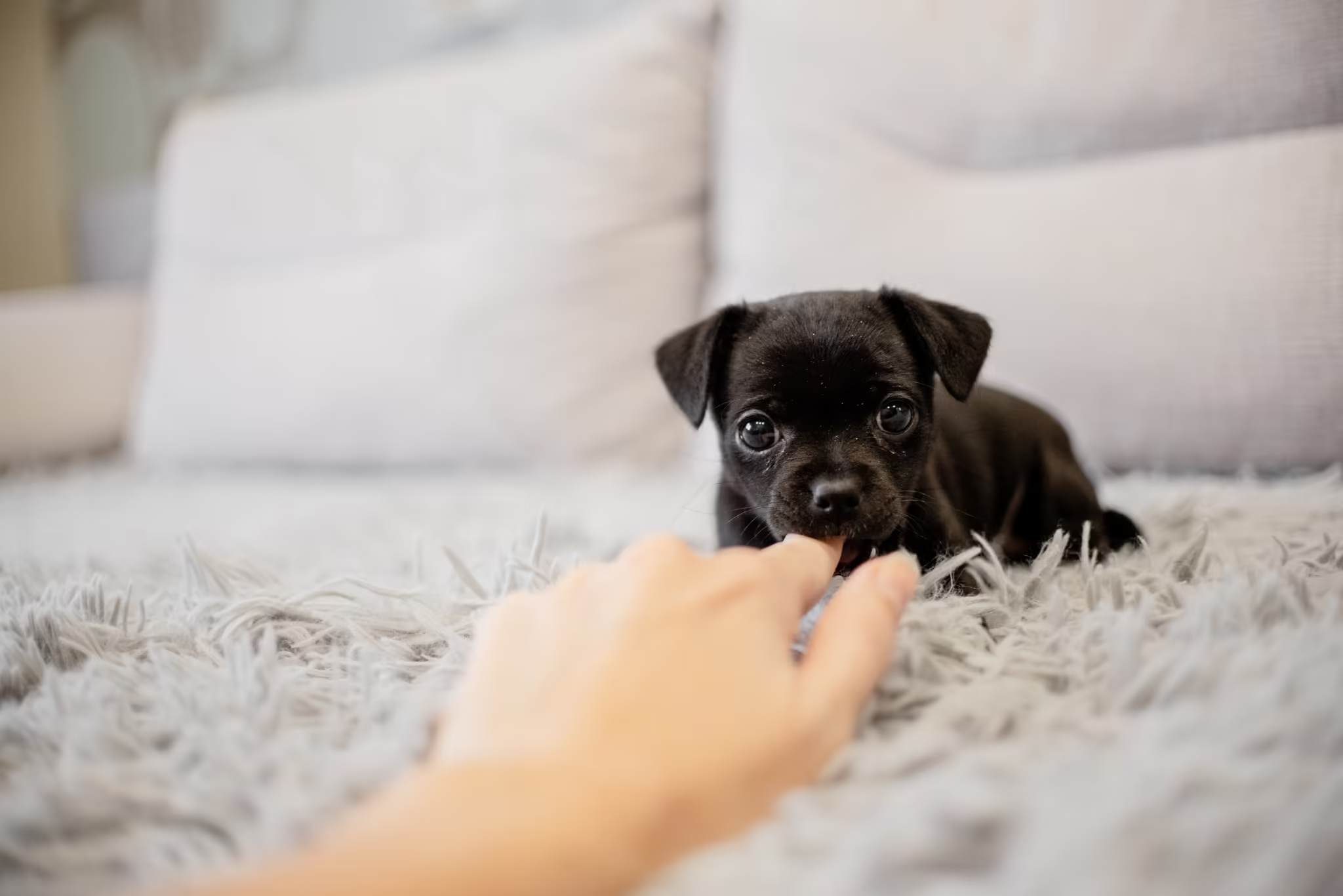
Safe Greeting with Diverse People
Your dog learns to greet people of different ages, appearances, mobility aids, and energy levels calmly and politely, so visitors, kids, and strangers on walks all feel safe and predictable.
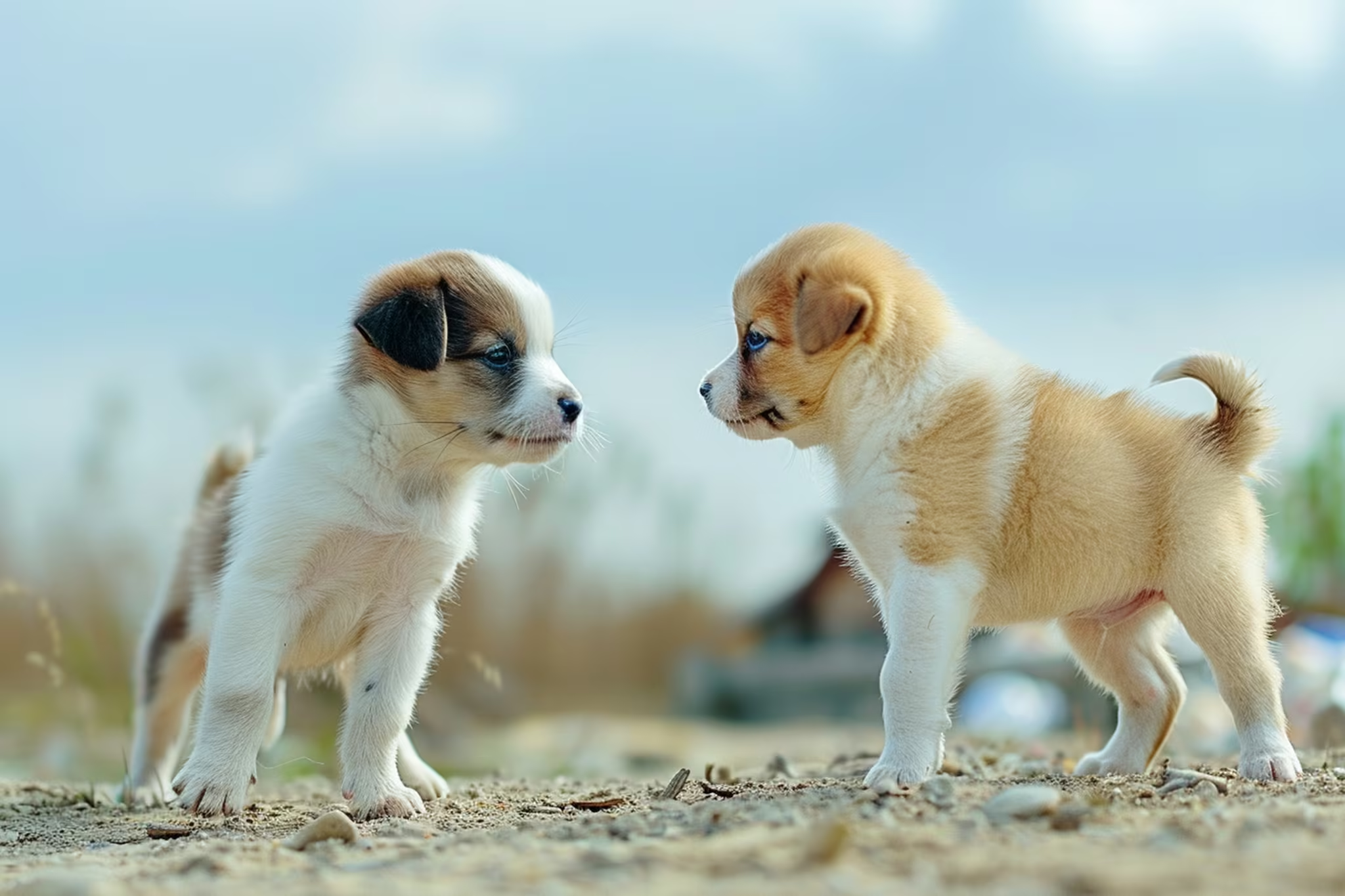
Appropriate Dog-to-Dog Interaction
We teach your dog how to read other dogs, offer and accept play invitations, and disengage when needed, preventing scuffles, overbearing play, and future reactivity around other dogs.
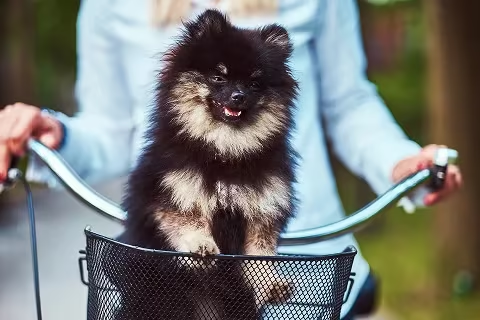
Environmental Confidence & Exploration
From quiet neighborhoods to busy parks and city sidewalks, your dog practices moving through changing environments without shutting down, freezing, or spinning into overarousal.
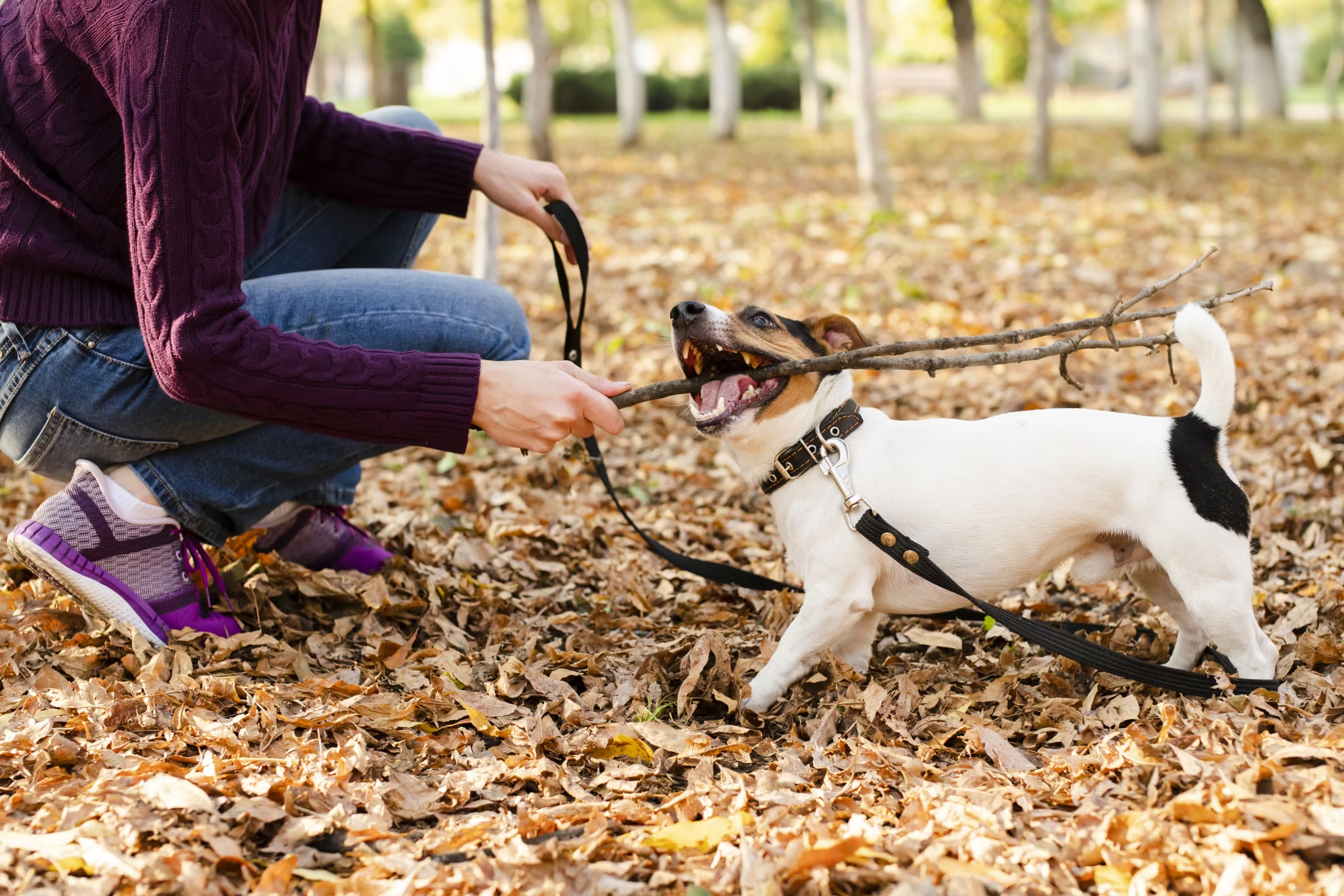
Sensory Exposure & Habituation
Your dog experiences varied surfaces, sounds, and movement such as trash trucks, sirens, scooters, strollers and umbrellas, learning that these everyday sensations are normal, not threats.
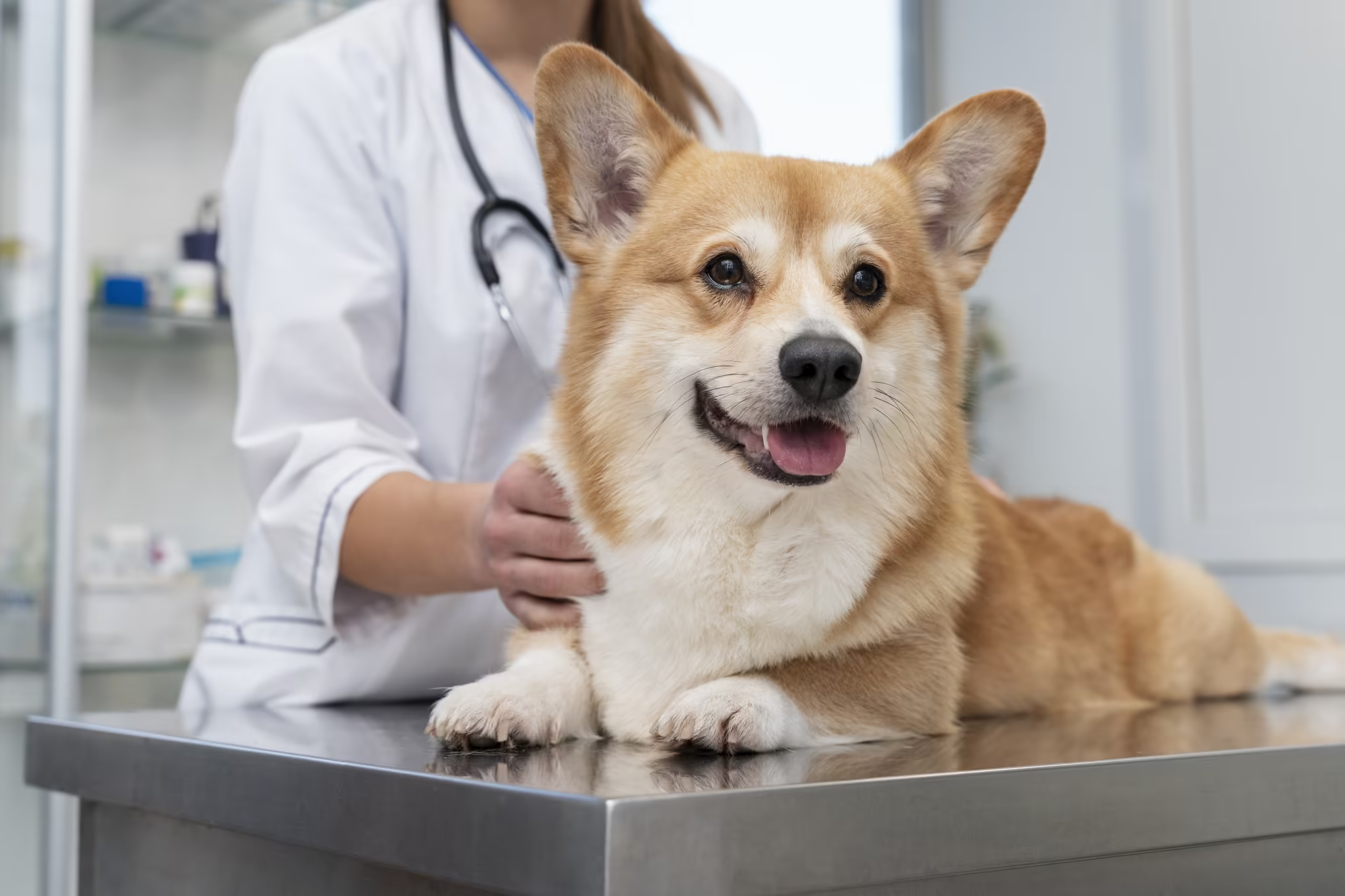
Handling, grooming, and vet clinic comfort
We build tolerance for touch, restraint, and handling so nail trims, grooming, and vet exams are safer and less stressful for everyone involved.
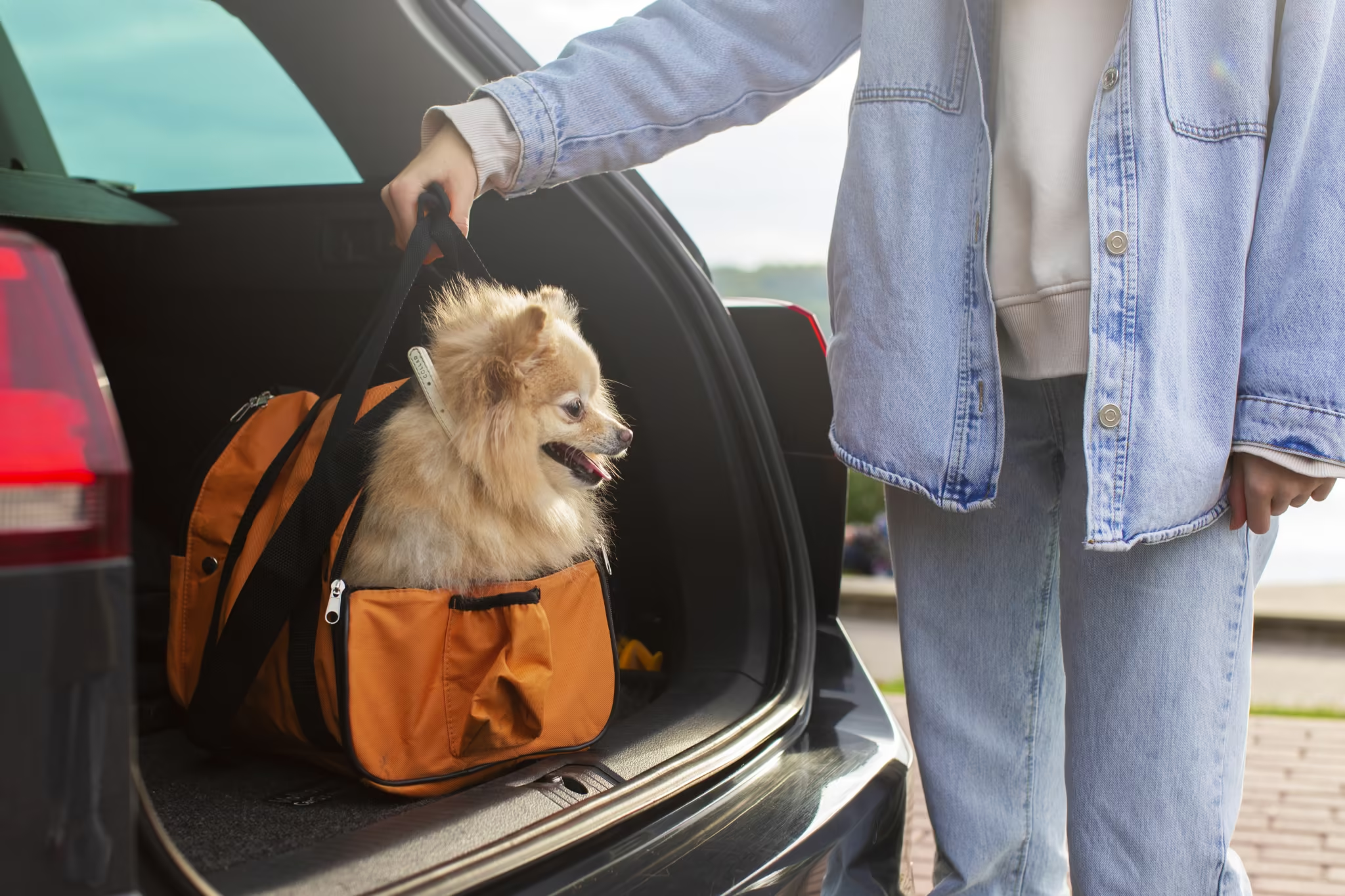
Novel Situation Resilience
Car rides, elevators, crowds, patios, and new buildings become easier as your dog learns a simple pattern: pause, check in with you, then move forward with confidence.
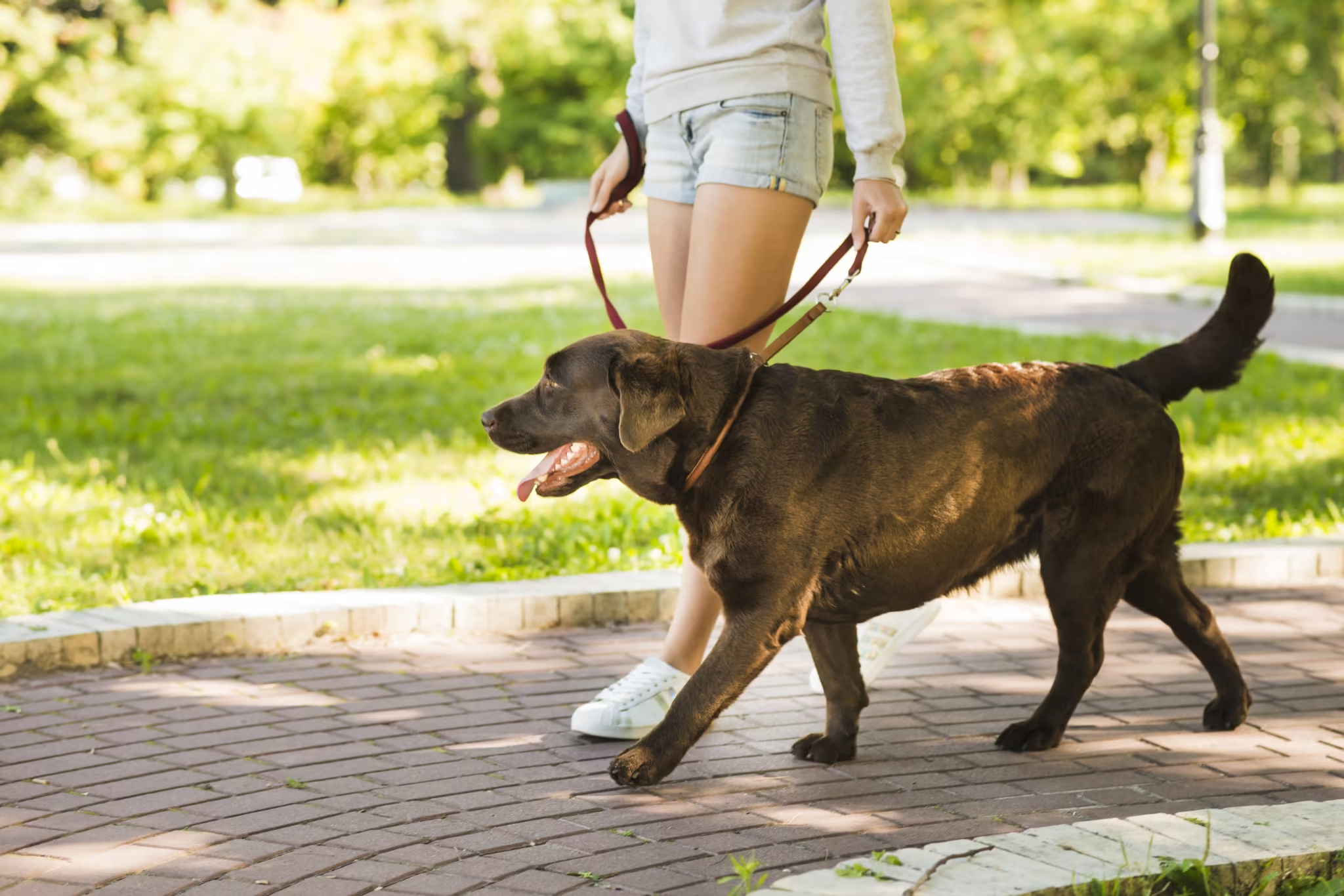
Leash Confidence in Public
Your dog practices walking on a loose leash around people, dogs, bikes, and traffic, choosing to stay connected to you instead of lunging, zig‑zagging, or shutting down.
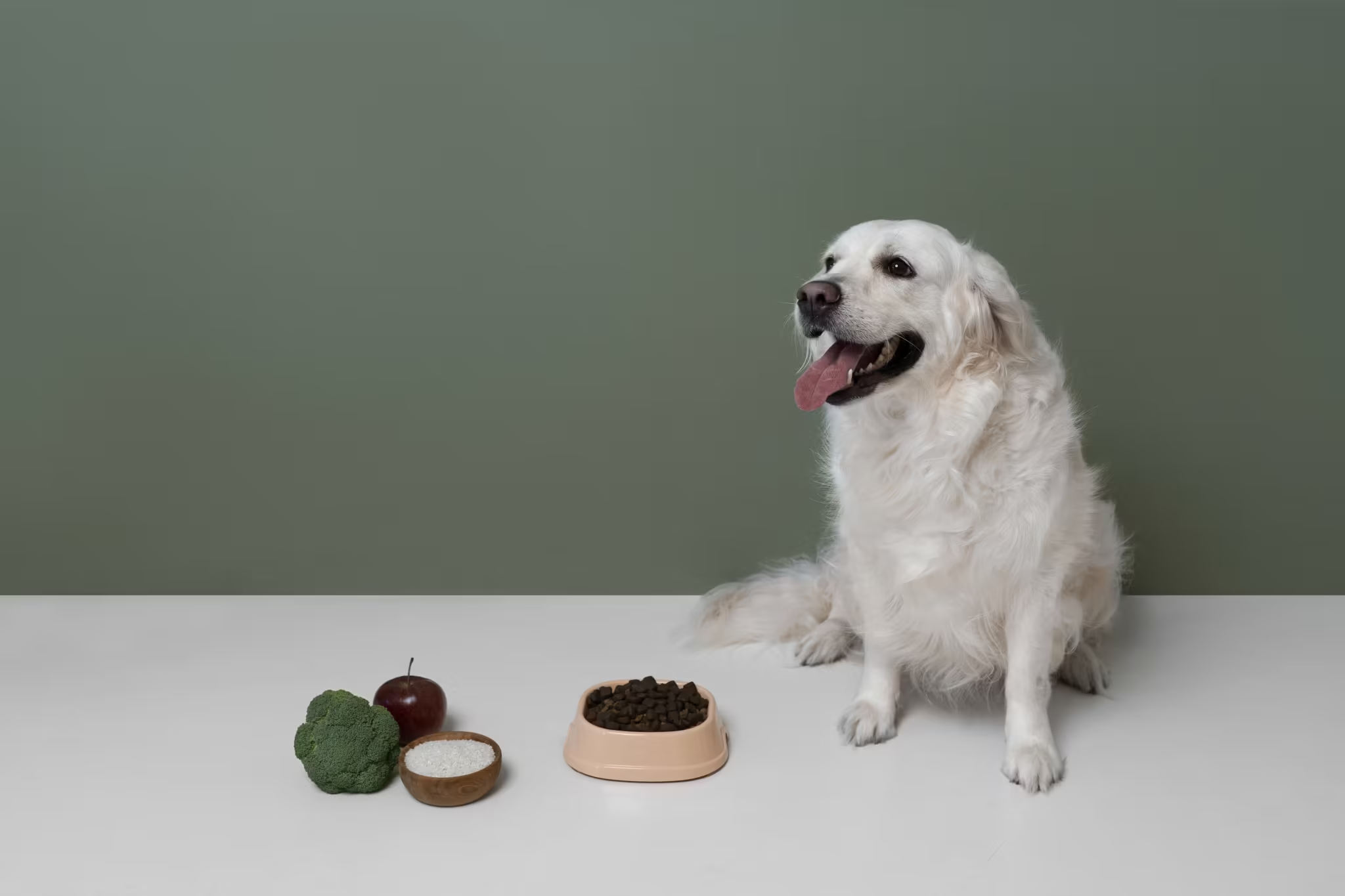
Calm waiting and impulse control
Doorways, crosswalks, greetings, and food moments all become training opportunities where your dog learns to pause, think, and choose calm behavior before acting.
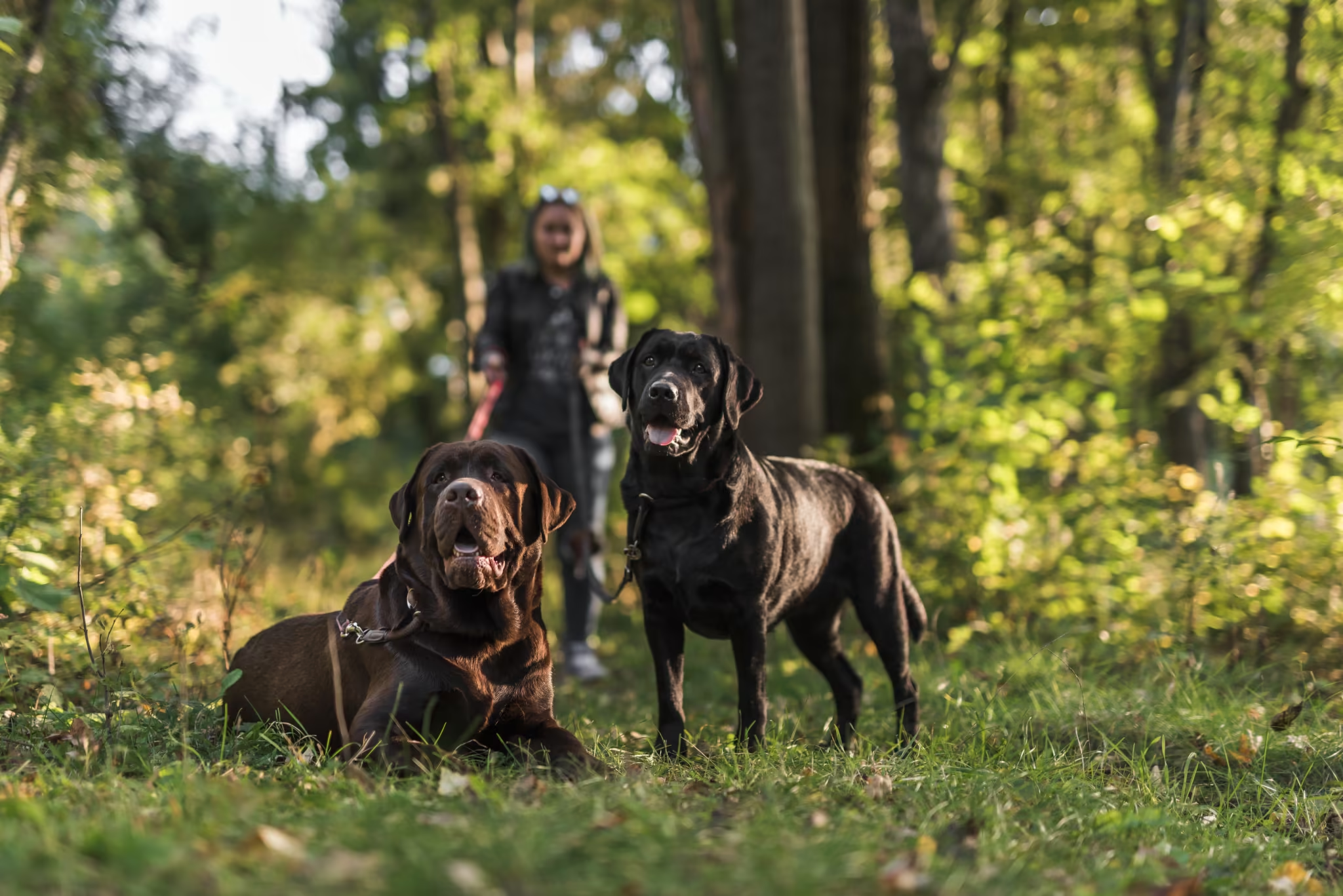
Distance-based coping for fearful or reactive dogs
For dogs with big feelings, we use distance, choice, and gradual exposure so they can observe triggers safely, then learn new, calmer responses over time.
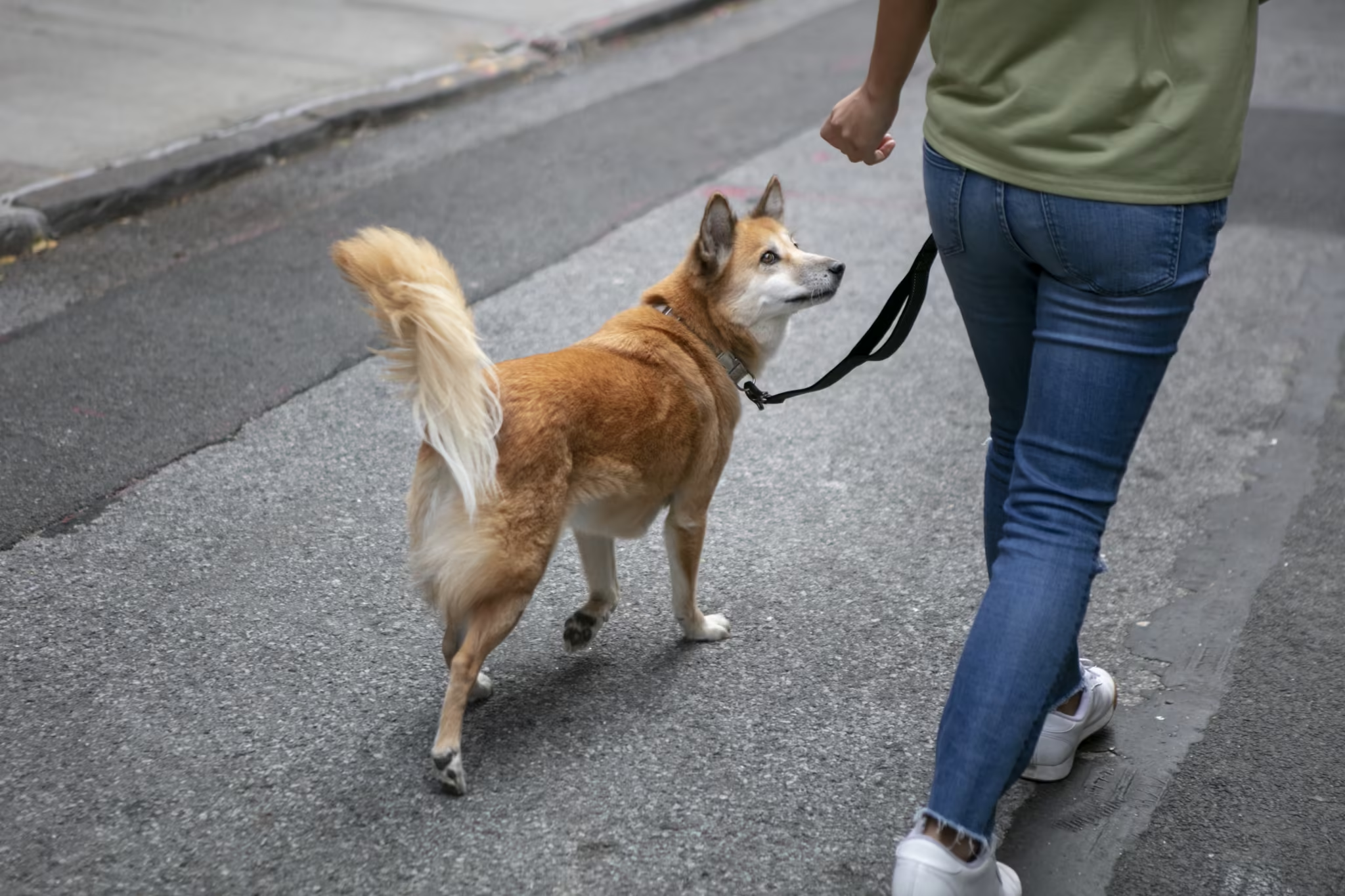
Positive Associations with Everything
Most importantly, we pair new people, dogs, sounds, and places with things your dog loves, building a lifelong belief that the world, and the Kansas City metro, is mostly safe and rewarding.

Take our 3-minute survey
so we can tailor your consultation
Safe Greeting with Diverse People
Your dog learns to greet people of different ages, appearances, mobility aids, and energy levels calmly and politely, so visitors, kids, and strangers on walks all feel safe and predictable.
Appropriate Dog-to-Dog Interaction
We teach your dog how to read other dogs, offer and accept play invitations, and disengage when needed, preventing scuffles, overbearing play, and future reactivity around other dogs.
Environmental Confidence & Exploration
From quiet neighborhoods to busy parks and city sidewalks, your dog practices moving through changing environments without shutting down, freezing, or spinning into overarousal.
Sensory Exposure & Habituation
Your dog experiences varied surfaces, sounds, and movement such as trash trucks, sirens, scooters, strollers and umbrellas, learning that these everyday sensations are normal, not threats.
Handling & Vet Clinic Comfort
We build tolerance for touch, restraint, and handling so nail trims, grooming, and vet exams are safer and less stressful for everyone involved.
Novel Situation Resilience
Car rides, elevators, crowds, patios, and new buildings become easier as your dog learns a simple pattern: pause, check in with you, then move forward with confidence.
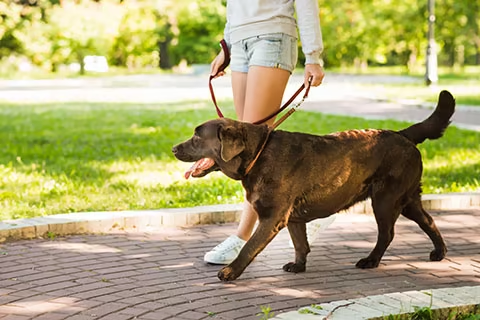
Leash Confidence in Public
Your dog practices walking on a loose leash around people, dogs, bikes, and traffic, choosing to stay connected to you instead of lunging, zig‑zagging, or shutting down.
Calm waiting and impulse control
Doorways, crosswalks, greetings, and food moments all become training opportunities where your dog learns to pause, think, and choose calm behavior before acting.
Distance-based coping for fearful or reactive dogs
For dogs with big feelings, we use distance, choice, and gradual exposure so they can observe triggers safely, then learn new, calmer responses over time.
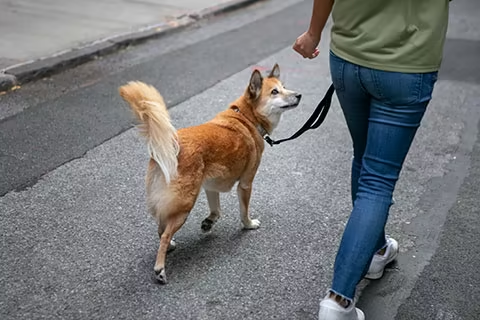
Positive Associations with Everything
Most importantly, we pair new people, dogs, sounds, and places with things your dog loves, building a lifelong belief that the world, and the Kansas City metro, is mostly safe and rewarding.
Take our 3-minute survey
so we can tailor your consultation

Why Marquis Dog Training

Certified, experience-backed training
Your trainer is Benny S., founder of Marquis Dog Training and an AKC Canine Good Citizen Evaluator with behavior and reactive dog training experience, specializing in positive reinforcement methods.

Trust-first, lifestyle-aligned approach
We coach your whole family, not just your dog, so your socialization routines fit school runs, work schedules, and weekend adventures, not a rigid class timetable.

Clear standards and follow-through
If we set a goal, we keep it. You get specific milestones for your dog’s socialization progress and honest guidance if reactive dog training or longer support is recommended.
Complimentary 30 min in-home visit
Success stories
How to socialize your dog successfully in Kansas City
Structured exposure that builds confidence without flooding

Start with controlled environments before busy spaces
Begin at home with calm visitors and quiet neighborhood walks during off-peak hours. Once your dog can focus on you in low-distraction settings, gradually add complexity: coffee shop patios during slower times, pet store aisles on weekday mornings, trail parking lots before crowds arrive.
Success in calm spaces builds confidence for busier environments later.

Prioritize quality encounters over quantity
Three calm, positive interactions teach more than ten chaotic, overwhelming experiences. Each successful moment, whether a polite sniff, a gentle greeting, or passing another dog without reacting, builds trust. Flooding your dog with too much, too fast creates fear and reactivity. Keep sessions short, read body language, and end before stress escalates.
Quality always wins.

Use Kansas City’s dog-friendly spaces strategically
Loose Park’s quieter morning hours, Mill Creek Trail’s less-traveled sections, and pet-friendly stores offer controlled exposure opportunities. Pair outdoor walks with low-stress indoor environments like grooming facility lobbies (just observing) and veterinary “happy visits” where your dog gets treats without procedures.
Real-world variety prepares dogs for lifelong confidence across the metro.
Ready to give your dog a confident foundation?
Complimentary 30 min in-home visit




AI Summary
The reviews for the training service highlight a number of strengths, particularly the effectiveness of the training methods and the positive transfor…
Powered by Marquis Dog Training

Our promise is to treat
every dog like our own
“Using Trust-First method, we focus on understanding, consistency, and positive results, so your dog feels confident and your home feels calm.”
Complimentary 30 min in-home visit

Benny S.
Founder
We come to you across Kansas City Metro cities
Frequently asked questions
How is dog socialization training different from regular obedience training?
Obedience focuses on cues like sit, down, and stay. Socialization training focuses on how your dog feels and behaves around people, dogs, and environments. We still use structure and skills, but the goal is emotional stability and safe behavior in real-world situations. That’s why we combine low-stress training, controlled exposure, and, when necessary, elements of reactive dog training to support more sensitive dogs.
Do you offer puppy socialization classes or only in-home coaching?
Traditional puppy socialization classes can be helpful, but they aren’t right for every dog or family. Our primary model is in-home coaching plus curated field sessions, which gives puppies calm, structured exposure at their own pace. For some dogs, we may recommend small group or public settings once they have the foundation and confidence to benefit from them.
Is this dog socialization near me, or do I have to travel far?
We come to you within our Kansas City metro service area and then choose nearby environments that match your dog’s current skill level. That might be a quiet neighborhood loop, a local trail, or a dog-friendly patio not far from home. This keeps sessions practical and easier to fit into busy schedules.
What if my dog has already had a bad experience with other dogs or people?
Past negative experiences are common, especially with rescues. We take a trust-first approach, starting with distance, predictability, and clear communication so your dog feels safe. Using counterconditioning and desensitization, we slowly reframe triggers and rebuild confidence, always watching body language to avoid overwhelm.
How much does dog socialization training cost?
We publish flat prices, so you can decide before you ever talk to us. Socialization work sits inside one of three programs: Marquis Start at $2,699 for puppies, Marquis Family at $2,899 for household obedience, and Marquis Freedom at $3,899 when fear or reactivity is the main problem. Which one fits depends on your dog, and the complimentary in-home assessment is where we tell you. See the full breakdown on our pricing page.
Is dog socialization training right for my puppy or reactive dog?
If your dog hides, barks, lunges, or can’t focus around people or dogs, socialization training can help. We tailor intensity and locations for each dog: gentle field trips for nervous puppies, more structured plans for reactive dog training cases. The first step is an in-home assessment so we can understand your dog’s history, triggers, and comfort level before we ever step into a busy environment.
How long does dog socialization training take?
Most dogs complete an initial plan in 6–8 weeks, with weekly sessions and simple daily practice. Puppies in their critical socialization window may progress faster, while dogs with longer histories of fear or reactivity often need a bit more time. We’ll give you a clear timeline after your assessment and adjust as your dog responds to low-stress training.
What if my dog is too fearful or aggressive to be around other dogs?
We never throw dogs into crowded spaces or chaotic puppy socialization classes. For dogs who growl, bark, or shut down, we start with distance work and controlled setups, often in quiet locations or with neutral helper dogs. Safety and stress levels guide every decision, and we combine socialization with targeted reactive dog training when needed.
Ready for a calmer, happier home?
Let’s start with a complimentary in-home assessment. Please fill out our form so we can understand your dog’s needs and create a custom training plan.
Or call us:

We will help you choose the right program.
Book your assessment
"*" indicates required fields