

The Trust-First Dog Training Method
in Kansas City
A compassionate, science-backed approach that builds lasting obedience through confidence, not correction.
Raise a calm, confident dog through trust, not correction
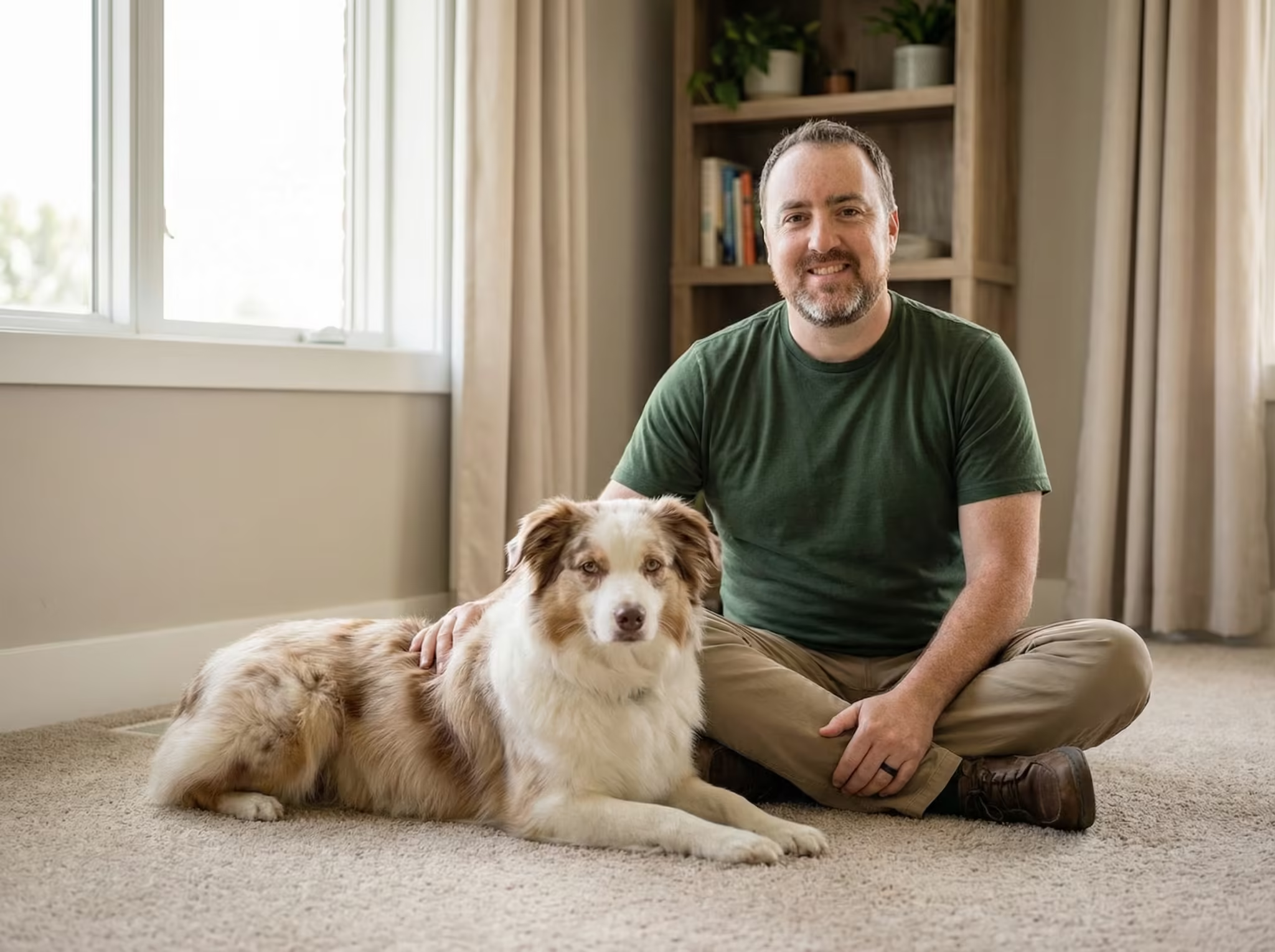
Benny S.
Founder
Raise a calm, confident dog through trust, not correction
When I first began Marquis Dog Training, I remember guiding Luna, a timid rescue puppy, through her first confidence-building exercise. The moment her tail wagged before she even learned “sit,” I knew something deeper was happening.
It confirmed what I believe to this day: a real relationship must come before commands.
Whether you’re a first-time puppy owner, a busy Kansas City family, or caring for a reactive dog, our trust-first method transforms behavior by focusing on your dog’s emotional well-being so learning feels safe, natural, and joyful.

What is trust-first dog training?
At its core, trust-first training puts your bond before obedience.
Instead of using corrections or pressure, we build a partnership where your dog chooses to engage and learns because they want to, not because they have to.
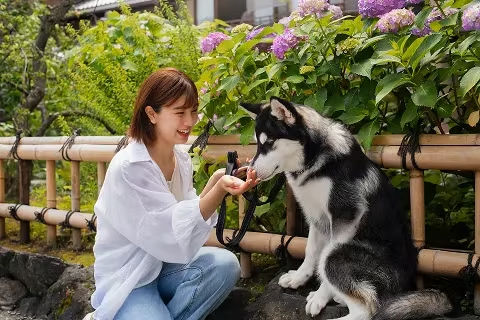
Dogs learn 50% better with rewards and praise
Trust-first training activates your dog’s reward centers, reducing fear-based reactions and engaging the learning part of the brain. In fact, studies show positive reinforcement increases learning retention by up to 50%.
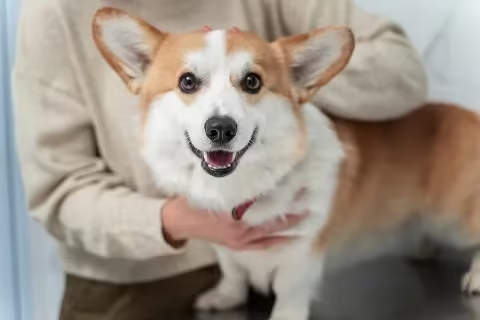
Trust-first method builds confidence, not fear
Traditional obedience often relies on compulsion, forcing dogs into compliance. We do the opposite: your dog is given choices, with every small success rewarded with praise or treats. This builds calm confidence and prevents the anxiety often seen in punishment-based approaches.

Take our 3-minute survey
so we can tailor your consultation
Dogs learn 50% better with rewards and praise
Trust-first training activates your dog’s reward centers, reducing fear-based reactions and engaging the learning part of the brain. In fact, studies show positive reinforcement increases learning retention by up to 50%.
Trust-first method builds confidence, not fear
Traditional obedience often relies on compulsion, forcing dogs into compliance. We do the opposite: your dog is given choices, with every small success rewarded with praise or treats. This builds calm confidence and prevents the anxiety often seen in punishment-based approaches.
Take our 3-minute survey
so we can tailor your consultation

How it works
Our three-phase process reflects years of hands-on experience helping Kansas City dogs and families thrive together

Building safety & relationship
We start with simple, playful exercises at home, teaching your dog that you’re a source of safety, fun, and consistency.

Learning through choice,
not pressure
Your dog learns key skills by opting in to tasks. Every success is celebrated, reinforcing confidence and trust.

Reliable, real-world behavior
We gradually add real-world distractions, doorbells, dogs, people, so your dog stays focused and calm anywhere.
Complimentary 30 min in-home visit
Personalized dog training near you for every dog and family
Whether you’re raising a new puppy or helping a reactive rescue, our experienced, qualified dog trainers bring calm, confidence, and connection to your home through personalized dog training sessions near you with flexible scheduling and convenient weekend availability

Puppy Training

Training Case
“An Olathe Family brought home Bear, a 10-week-old Shihpoo was constantly jumping, biting during play, and struggling with potty training. After 6 weeks of weekly sessions and professional puppy training, Bear was alerting to use the bathroom outside, playing gently, and following basic commands—all while Their family learned how to guide a puppy confidently.”
Best for:
For new puppies
First-time owners
Setting foundation
Jumping & nipping
Potty training
Confidence building
Key results:
- Potty training and crate comfort
- Gentle leash and recall foundations
- Early AKC Good Citizen preparation
Complimentary 30 min in-home visit
Obedience Training
Training Case
“A Northland Families 2-year-old Pit Bull Terrier, Cowboy, was jumping on guests, pulling constantly on walks, and ignoring commands. After just 8 weeks of dog obedience training, Cowboy is walking calmly on-leash, sitting politely when people visit, and comes reliably off-leash—transforming the Families stress into genuine enjoyment of their family dog.”
Best for:
Families with kids
Active dogs
Real-world reliability
Adult dogs
Jumping & pulling
Off-leash confidence
Key results:
- Polite greetings with guests
- Reliable recall and leash manners
- Calm focus in real-world environments
Complimentary 30 min in-home visit
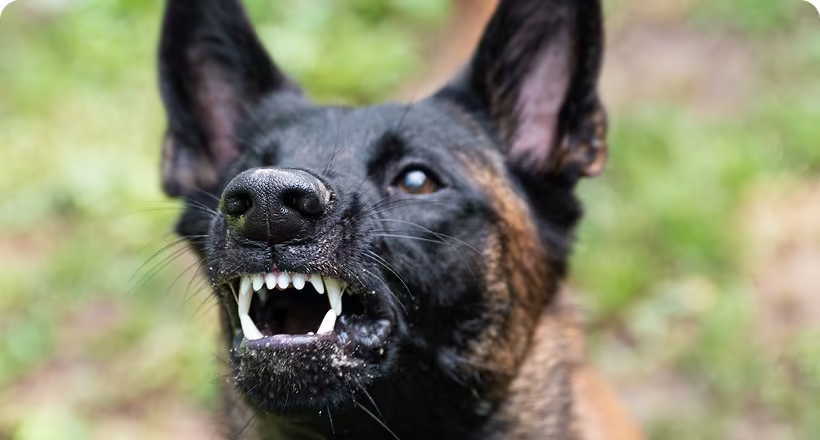
Anxiety & Aggressive Dog Training
Training Case
“Winston, a fearful rescue from Lee’s Summit, was snapping, lunging, and barking at everyone in her home including their cats. After 10 Weeks of aggressive and reactive dog training, Winston and her owner are now confident and relaxed to open her home up to guests.”
Best for:
Rescue & adopted dogs
Fearful or anxious
reactivity
Leash reactivity
Lunging
Low-stress training
Key results:
- Positive reinforcement first
- Counterconditioning & desensitization
- Safety for your family and neighbors
Complimentary 30 min in-home visit
Swipe to explore more programs

Puppy Training in Kansas City
Training Case
“An Olathe Family brought home Bear, a 10-week-old Shihpoo was constantly jumping, biting during play, and struggling with potty training. After 6 weeks of weekly sessions and professional puppy training, Bear was alerting to use the bathroom outside, playing gently, and following basic commands—all while Their family learned how to guide a puppy confidently.”
Best for:
For new puppies
First-time owners
Setting the foundation
Jumping & nipping
Potty training
Confidence building
Key results:
- Potty training and crate comfort
- Gentle leash and recall foundations
- Early AKC Good Citizen preparation
Complimentary 30 min in-home visit
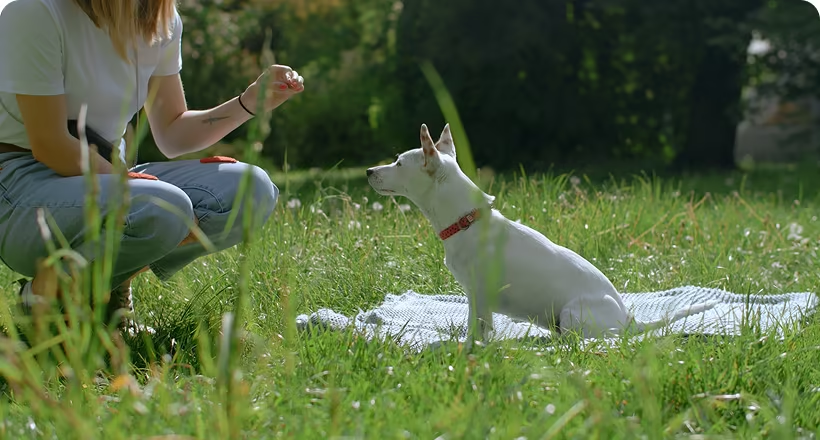
Dog Obedience Training in Kansas City
Training Case
“A Northland Families 2-year-old Pit Bull Terrier, Cowboy, was jumping on guests, pulling constantly on walks, and ignoring commands. After just 8 weeks of dog obedience training, Cowboy is walking calmly on-leash, sitting politely when people visit, and comes reliably off-leash—transforming the Families stress into genuine enjoyment of their family dog.”
Best for:
Families with kids
Active dogs
Real-world reliability
Adult dogs
Jumping & pulling
Off-leash confidence
Key results:
- Polite greetings with guests
- Reliable recall and leash manners
- Calm focus in real-world environments
Complimentary 30 min in-home visit
Aggressive & Reactive Dog Training
Training Case
“Winston, a fearful rescue from Lee’s Summit, was snapping, lunging, and barking at everyone in her home including their cats. After 10 Weeks of aggressive and reactive dog training, Winston and her owner are now confident and relaxed to open her home up to guests.”
Best for:
Rescue & adopted dogs
Fearful or anxious
Struggling with reactivity
Leash reactivity
Lunging at people/dogs
Low-stress training
Key results:
- Positive reinforcement first
- Counterconditioning & desensitization
- Safety for your family and neighbors
Complimentary 30 min in-home visit
What’s included with every dog training program
Trust-first method™
Calm first.
Results that last.

Owner leadership coaching
We teach you to lead confidently

No-fail
sessions
Every lesson ends
on a succes

Daily practice
plan
Short 15–20 min
routines that fit your life

Progress checkpoints
Know exactly
when to level up

Between-visit support
Quick answers to keep
you on track
Success stories
What to expect in your trust-first training

Personalized, in-home coaching
We meet in your home, so your dog learns in their most comfortable environment.

Your role in the process
We don’t just train your dog; we teach you the skills to build and maintain trust every day.

Clear progress, real results
Track milestones as your dog moves toward calm, confident behavior—up to and including AKC Canine Good Citizen certification.
Complimentary 30 min in-home visit




AI Summary
The reviews for the training service highlight a number of strengths, particularly the effectiveness of the training methods and the positive transfor…
Powered by Marquis Dog Training
Frequently asked questions
What is the Trust-First dog training method?
It’s a way of training that puts your relationship with your dog before obedience.
Instead of relying on pressure, we build a partnership where your dog chooses to engage and learn because they feel safe with you. That bond becomes the foundation for calm, reliable behavior at home and around Kansas City.
How is Trust-First Training Different from Traditional Training Methods?
Trust-first training fundamentally shifts the relationship between dog and handler by prioritizing psychological safety over obedience compliance. Rather than using correction-based methods that rely on punishment or fear to discourage unwanted behavior, trust-first training builds the dog’s confidence in the handler through consistent, predictable, positive experiences.
Traditional methods often operate on the premise that dogs must ‘respect’ authority through dominance hierarchies or aversive consequences. This creates a transactional relationship where dogs learn to avoid punishment rather than choosing cooperation. In contrast, trust-first training operates on behavioral science principles, specifically positive reinforcement and classical conditioning, which create intrinsic motivation – the dog wants to cooperate because cooperation feels safe and rewarding.
The key distinction is this: traditional training asks ‘How do I make my dog obey?’ while trust-first asks ‘Why doesn’t my dog feel safe doing this, and how can I help them feel secure enough to try?’ This mindset shift leads to dogs who are calmer, more confident, and genuinely eager to work with their handlers rather than anxiously complying out of fear.
In practical terms, this means your dog learns new behaviors by making choices, not by being forced into positions or punished for mistakes. The handler becomes a source of safety and positive outcomes rather than a source of unpredictable corrections. Dogs trained this way show measurably lower stress hormones, better problem-solving abilities, and more resilience when facing new situations.
How Long Does Trust-First Training Typically Take to Show Results?
Timeline for results depends significantly on your dog’s age, history, and starting point, but most owners notice meaningful changes within 3-5 sessions, while sustainable, lasting transformation typically requires 8-12 sessions over 6-10 weeks.
Initial progress is often quick because trust-first training works with your dog’s natural learning patterns. Dogs understand cause-and-effect relationships immediately—if your dog discovers that sitting near you during meal prep results in treats, they’ll start sitting there. These ‘aha’ moments happen fast, sometimes within days of starting training.
However, there’s an important distinction between learning a behavior and solidifying it into a reliable, generalized habit. The first phase involves building your dog’s confidence and establishing basic understanding—this is where rapid progress is most visible. The second phase involves practicing across different environments and contexts—your home, yard, neighborhood, parks, different people present, varying levels of distraction. This is where consistency over time becomes crucial. Your daily practice between sessions matters more than the trainer visit itself.
For puppies, you might see dramatic changes in 4-6 weeks because they’re learning foundational behaviors from scratch without competing bad habits. For adult or rescue dogs with behavioral challenges, initial trust-building takes longer (8-12 weeks) because you’re not just teaching new behaviors—you’re also deconditioning fear responses and replacing established patterns. Reactive dogs may take 12-16 weeks of consistent practice to show reliable improvement in trigger situations because emotional regulation requires neurological changes that take time.
Most owners report their dogs feeling noticeably calmer and more responsive within two weeks of consistent practice.
Weeks 1-2: Baseline established, dog learns trainer is safe, initial behaviors begin
Weeks 3-4: Confidence building, clear progress visible to family, motivation established
Weeks 5-8: Generalization phase, behaviors becoming reliable in different contexts
Weeks 9-12: Real-world application, integration into daily life, independence from trainer
Ongoing: Daily practice maintains and deepens results, prevents regression
Can My Dog Continue Learning While I’m Busy or Working Long Hours?
Yes, but with realistic expectations. Your dog can absolutely continue learning and maintaining progress even with a busy schedule, but the pace depends on how you structure learning time and whether you’re maintaining established skills or trying to build new ones.
Here’s the honest truth: consistency matters more than duration. A 10-minute focused training session five times per week will produce better results than a 45-minute session once weekly. Your dog’s brain consolidates new learning during daily repetition, and their nervous system settles through consistent, predictable interaction with you. If you’re working long hours, the key is using brief moments throughout your day intentionally rather than trying to carve out large blocks of training time.
Many busy families maintain tremendous progress by integrating trust-first practice into daily routines: rewarding your dog for calm behavior during meals, reinforcing ‘wait’ at doors for five seconds before letting them out, practicing ‘settle’ while you’re on phone calls or emails. These micro-sessions compound. Your dog experiences you as a source of positive interaction dozens of times daily without requiring dedicated ‘training time.’”
Dogs with existing behavioral challenges may progress more slowly if you can’t dedicate sufficient daily practice, and it’s important to be honest about this. A reactive dog triggered by neighborhood walks needs daily exposure with management and positive reinforcement—if you can only walk them once daily, you’re limiting their practice opportunities. However, for puppies learning foundational behaviors or dogs working on general obedience, busy families absolutely see consistent progress with structured micro-sessions integrated into normal routines.
Your dog’s progress during the trainer visit matters less than their progress during the 6+ days you’re not training. We provide guidance and accountability; your daily implementation drives results.
- 5-10 minute focused sessions daily beat 30-minute weekly sessions
- Integrate training into existing routines (meals, doorway transitions, settling during calls)
- Reactive dogs need higher practice frequency (daily exposure) to maintain progress
- First-time puppy owners can build strong foundations with 10-15 minutes daily practice
- Maintenance of established skills requires less time than initial learning (5 min daily vs. 15 min)
What If My Dog Has a History of Trauma or Has Been Previously Trained with Harsh Methods?
Trust-first training is actually exceptionally effective for dogs with difficult histories because it directly addresses the core issue: these dogs learned not to trust handlers or environments. Harsh training methods often compound existing trauma by reinforcing the belief that interactions with people are unpredictable and potentially painful.
When a dog has been trained with corrections, punishment, or aversive methods, their behavior often appears to ‘work’—they obey commands—but underneath, their nervous system remains dysregulated. The dog has learned compliance through fear, not trust. Many of these dogs live in a state of hypervigilance: they’re constantly monitoring their handler for signs of impending correction, unable to relax or think clearly. When those dogs switch to trust-first training, the first phase is essentially nervous system healing.
This healing looks like: your dog becoming noticeably calmer, actually sleeping more, making eye contact that seems genuine rather than anxious, exploring their environment with curiosity instead of caution. These changes take longer than teaching a well-adjusted puppy basic obedience—usually 10-16 weeks of consistent trust-building before behavior truly shifts. But the transformation is profound because you’re rebuilding their fundamental sense of safety in the world.”
Dogs trained with harsh methods often carry conditioned fear responses that trigger during training attempts even after switching methods. For example, a dog who was repeatedly corrected for jumping may have developed a startle response to sudden hand movements, even gentle ones. Trust-first training gradually deconditions these fear associations through safe, repeated exposure paired with positive outcomes. Your trainer will help you identify these patterns and work around them initially, gradually building new associations. Many handlers find this process emotionally moving because they’re watching their dog literally unlearn fear and relearn safety.
Encouraging Reality:
“The good news: dogs are incredibly resilient. Their brains are neuroplastic, meaning new pathways can be formed even after years of aversive training. We’ve worked with dogs whose entire history was correction-based, and they transformed into calm, engaged, genuinely eager partners. It takes patience and commitment, but it’s possible at any age.”
- Nervous system healing phase comes first (4-6 weeks minimum before behavior shifts significantly)
- Deconditioning fear associations requires time and safe, repeated exposure
- Handler must learn to read dog’s stress signals to avoid triggering fear responses
- Progress may be slower than with puppies but more sustainable long-term
- Emotional breakthroughs often accompany behavioral progress as dog regains trust
- Rescue dogs with harsh histories often become the most devoted partners after healing
Is the Trust-First Method still effective for serious behavior issues?
Yes, many fearful and reactive dogs respond better when we address the emotions underneath the behavior. We combine structure, desensitization, and positive experiences so your dog can think instead of just react. For safety-sensitive cases, we pair this with clear management plans for your home and neighborhood.
Do you still use rewards and treats with the Trust-First Method?
yes—rewards and praise are a key part of how we build confidence.
Positive reinforcement activates your dog’s learning centers and can improve retention by up to 50 percent.
We balance food, play, and real-life rewards so your dog doesn’t rely on treats forever.
Does Trust-First mean you never say “no” or set boundaries?
No—Trust-First includes clear, consistent boundaries; it just avoids harsh, fear-based tactics.
We show your dog what to do instead of only correcting what went wrong.
The structure actually makes anxious and high-energy dogs feel safer and more predictable at home.
Is your approach safe and humane for sensitive or fearful dogs?
Yes, the method was built with sensitive and rescue dogs in mind. We start at your dog’s comfort level, use gradual exposure, and avoid overwhelming them with pressure or chaos. Everything we do is designed to protect your dog’s emotional well-being while still moving you toward real-world results.
What does a Trust-First session look like in my Kansas City home?
We come to you, observe your dog in their normal environment, then coach you step by step. You’ll practice simple exercises that show your dog you’re a consistent, calm leader—at the door, on walks, and during family time. Each visit ends with clear homework that fits into your existing routines, not a long list you’ll never use.
How long does it take to see results with the Trust-First Method?
Many families notice early changes in focus and calm within a few sessions, with bigger shifts over 6–12 weeks. Puppies often progress quickly with consistency, while reactive or anxious dogs may need more time for deeper emotional changes. We’ll outline realistic milestones at the start so you know what to expect.
Does this method work for both puppies and adult dogs?
Yes, the same foundation applies across ages, we just adjust how we teach it.
Puppies get gentle structure, socialization, and early life skills; adult dogs get clear resets and confidence-building in real-world scenarios. Rescue and reactive dogs benefit from the same trust focus, with extra care around their triggers.
Does this method work for both puppies and adult dogs?
Yes, the same foundation applies across ages, we just adjust how we teach it.
Puppies get gentle structure, socialization, and early life skills; adult dogs get clear resets and confidence-building in real-world scenarios. Rescue and reactive dogs benefit from the same trust focus, with extra care around their triggers.
How does the Trust-First Method compare to board-and-train programs?
Board-and-train focuses on changing your dog in a facility; Trust-First focuses on changing the relationship at home. With our in-home model, your dog learns in their real environment, and your family learns how to handle everyday situations. That makes the results more likely to stick when life gets busy or stressful.
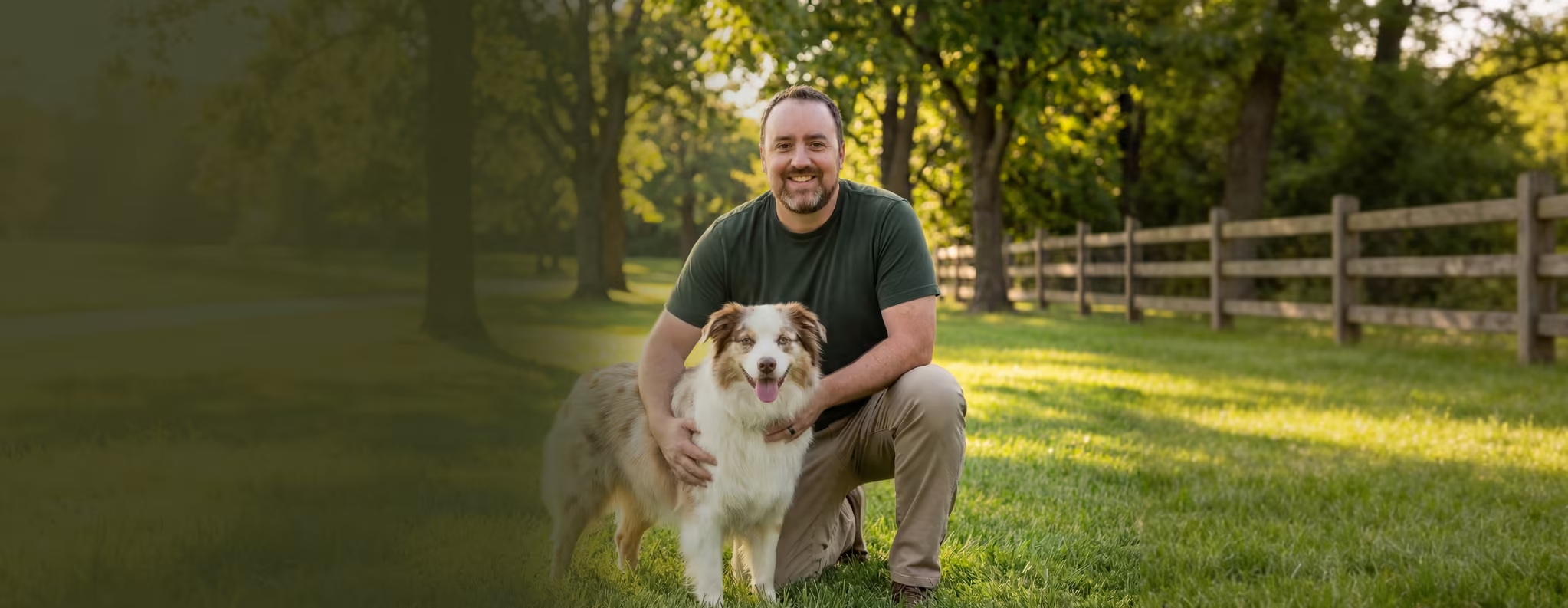
Ready for a calmer, happier home?
Let’s start with a complimentary in-home assessment. Please fill out our form so we can understand your dog’s needs and create a custom training plan.
Or call us:

We will help you choose the right program.
Book your assessment
"*" indicates required fields