Dog Potty Training in Kansas City
Fast, Reliable Housebreaking Solutions in Kansas City
Transform accidents into consistent outdoor success—ending carpet stains and cleanup stress.
The Exhaustion of Constant Accidents
The Exhaustion of Constant Accidents
Why Dog Potty Training Feels Impossible—And Why It Matters
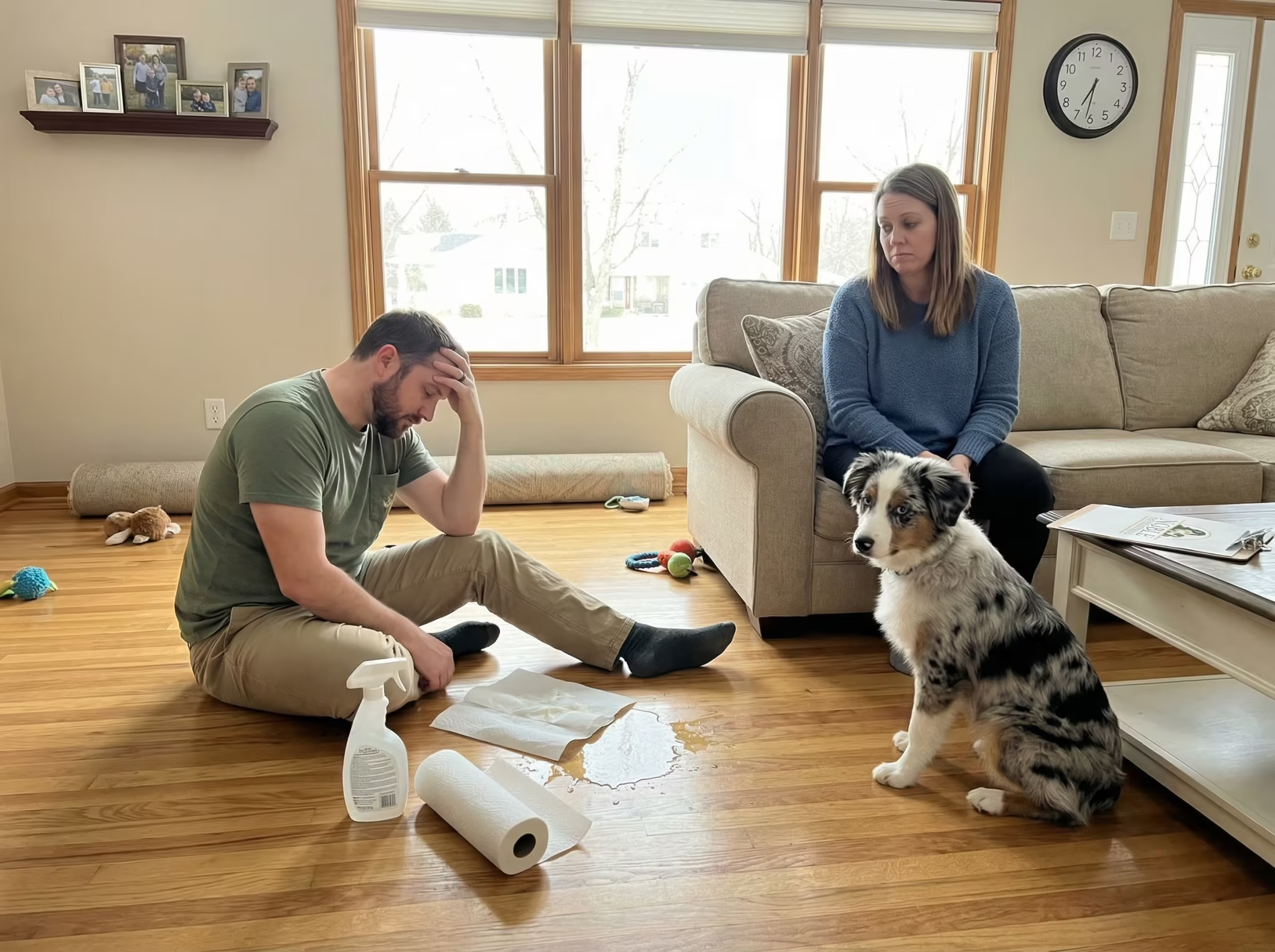
You wake up to puddles. You come home to messes. You’ve tried crate training, potty pads, schedules, rewards—nothing sticks. Your carpets are ruined. This is where structured dog potty training becomes essential. Your landlord has noticed. You’re exhausted from constant vigilance, cleanup, and the anxiety of never knowing when the next accident will happen. Your dog isn’t being defiant—they simply haven’t learned clear communication or developed bladder control through proper training.
Left unaddressed, potty accidents don’t resolve on their own. Without proper dog potty training, accidents continue, routines break down, and stress increases for both you and your dog. Your home becomes a source of stress instead of comfort. And behavioral issues compound – dogs who aren’t reliably housetrained often struggle with other obedience because the foundation of routine and communication was never established.
Common Dog Potty Training Challenges:
- Housebreaking Training for New Puppies & Rescue Dogs – Young puppies lack bladder control and haven’t learned where to go. Rescue dogs from shelters may have never been housetrained or developed bad habits in kennels requiring complete retraining.
- Puppy Potty Training Despite Consistent Schedules – You take them out every hour, but accidents still happen. Your puppy doesn’t signal when they need to go, leaving you guessing and cleaning up surprise messes throughout the day.
- How to Potty Train a Dog After Regression or Medical Issues – Previously housetrained dogs suddenly have accidents—after moves, schedule changes, illness, or aging. Behavioral vs. medical causes need proper assessment and customized solutions.
Our Trust-First Solution
How We Create Reliable Dog Potty Training Through Clear Communication
Traditional advice—”just be consistent” or “punish accidents”—oversimplifies potty training and often creates anxiety that worsens the problem. At Marquis Dog Training, our dog potty training approach focuses on clear communication, proper crate training integration, scheduled routines your dog understands, and building reliable outdoor habits through positive reinforcement.
We work in your home, assessing your specific living situation and building a customized dog potty training plan that fits your schedule, space, and your dog’s needs.
Our Trust-First Method Approach Includes:
- Routine & Schedule Establishment – Creating consistent feeding, water, and potty schedules that match your dog’s age, bladder capacity, and your household routine
- Communication Signal Training – Teaching your dog to alert you when they need to go (bell training, scratching at door, verbal cues) so you’re not guessing
- Crate Training Integration – Using crate training properly to build bladder control and prevent accidents when unsupervised, without creating confinement anxiety
- Accident Prevention & Cleanup Protocol – Identifying triggers for accidents, proper enzymatic cleaning to eliminate repeat-spot marking, and management strategies during training
How Dog Potty Training Works
How Our Trust-First Method Works
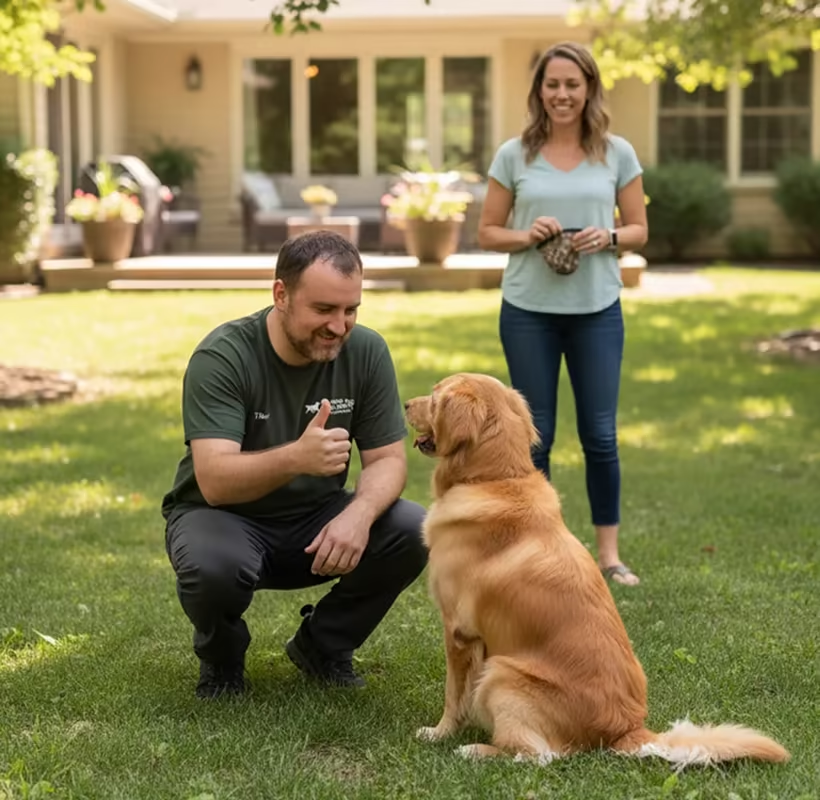
In-Home Assessment
We observe your dog’s current bathroom habits, assess your living situation (apartment, house, yard access, stairs), identify accident patterns (time of day, location, triggers), and evaluate whether medical issues need veterinary attention before behavioral training.
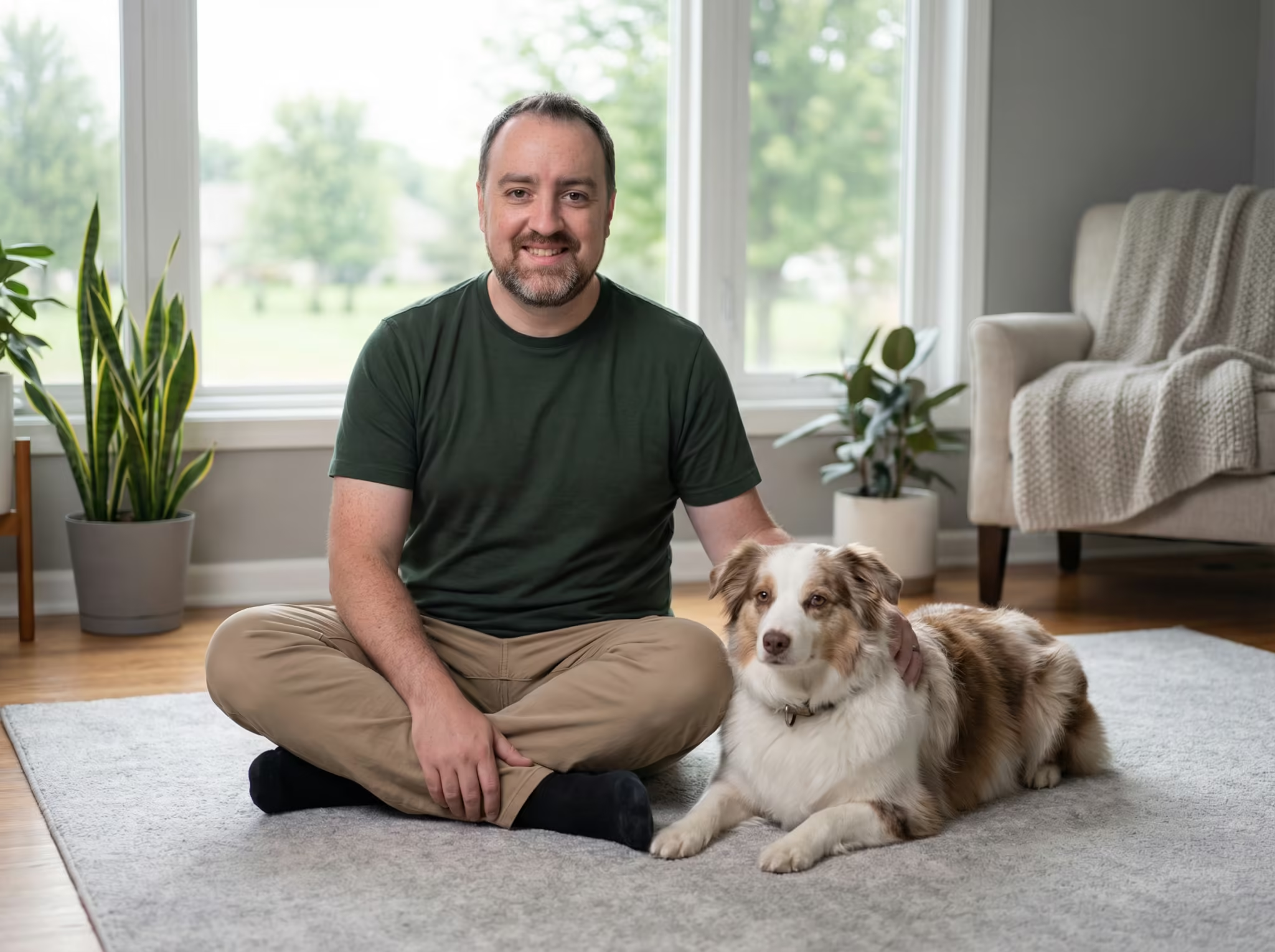
Foundation Skills at Home
Through structured schedules and positive reinforcement, we establish consistent potty routines—specific times, locations, and rewards for outdoor success. Your dog learns communication signals (bell ringing, door scratching, vocal alerts) so you know when they need to go.
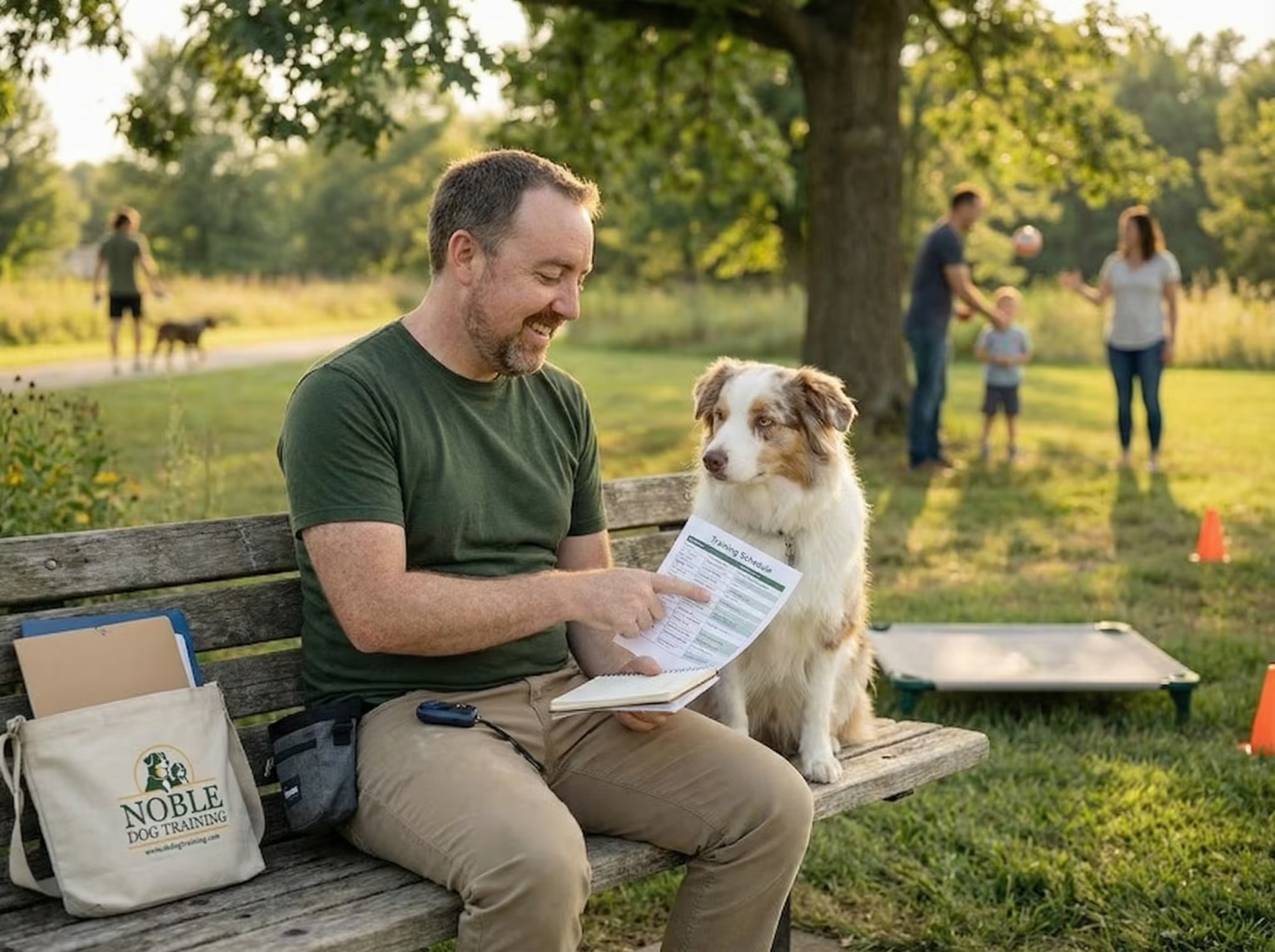
Controlled Exposure Sessions
We extend time between potty breaks gradually, building your dog’s bladder control and confidence holding it longer. Your dog learns to signal reliably even when routines vary slightly (weekend schedules, visitors, weather changes). We troubleshoot remaining accident triggers.
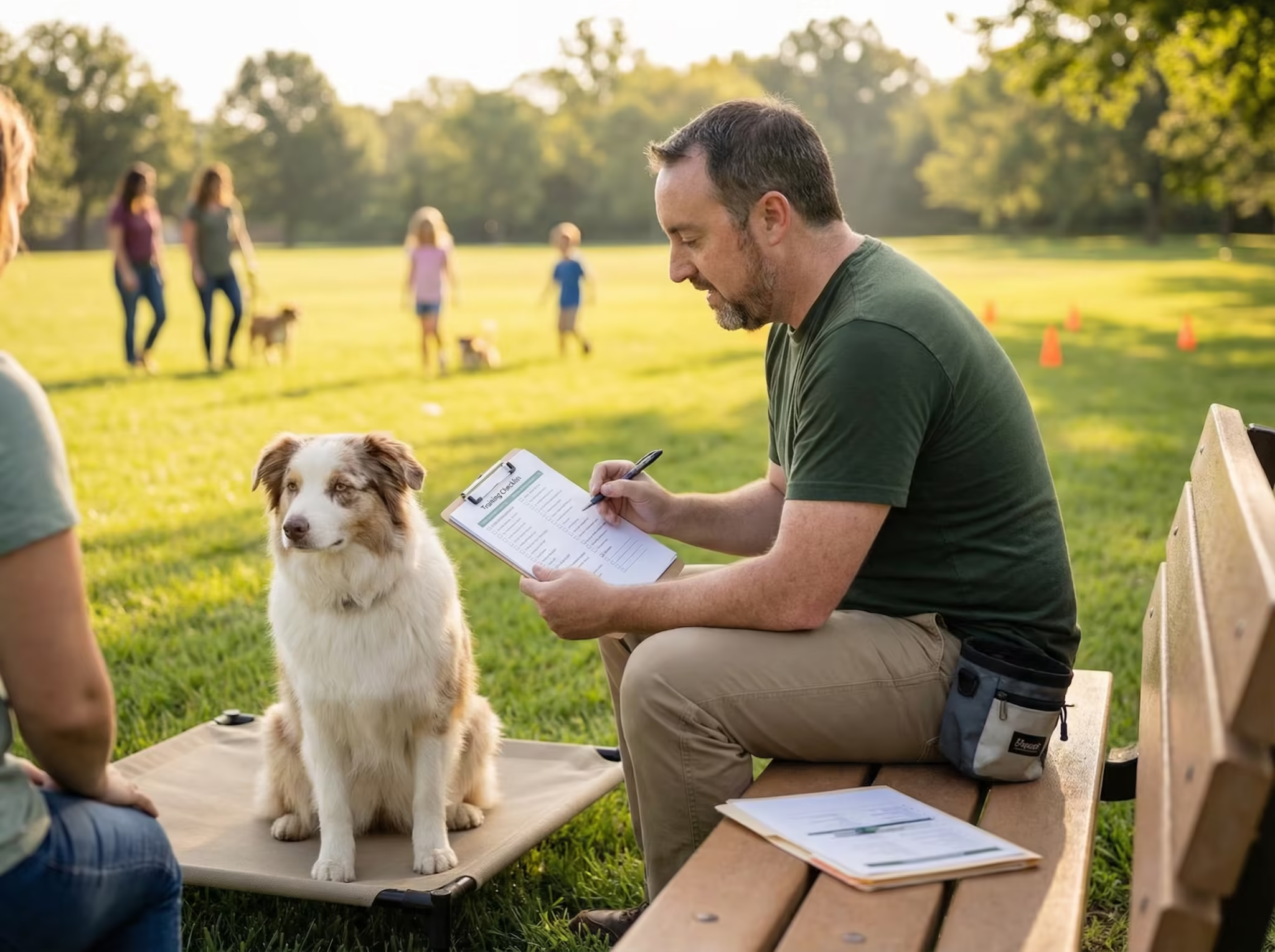
Confidence & Maintenance
We practice maintaining potty habits during life changes (moves, schedule shifts, seasonal weather), preventing regression, and troubleshooting if accidents resurface. You’ll have clear protocols for different living situations, travel, and aging dogs whose needs change.
Outcomes You Can Expect

Accident-Free Homes
Your home stays clean, carpets stay protected, and the exhausting cleanup cycle ends—replaced by reliable routines you can trust.

Clear Communication & Reliable Signals
With trained communication signals—bell ringing, door alerts, vocal cues—your dog tells you when they need the bathroom, preventing accidents before they happen and giving you peace of mind.

Protected Security Deposits & Home Value
Reliable housetraining protects your property investment and eliminates landlord conflicts, lease violations, and the financial burden of constant carpet replacement.
Complimentary 30 min in-home visit

Key Dog Potty Training
skills we teach
Housebreaking isn’t about punishment for accidents – it’s about creating predictable schedules and teaching your puppy where they should go. Most puppies are reliably housetrained by 4-5 months with consistent dog potty training.

Schedule Recognition & Routine Response
Your puppy learns to recognize potty time cues (door opening, leash, specific command) and associates them with going outside consistently.
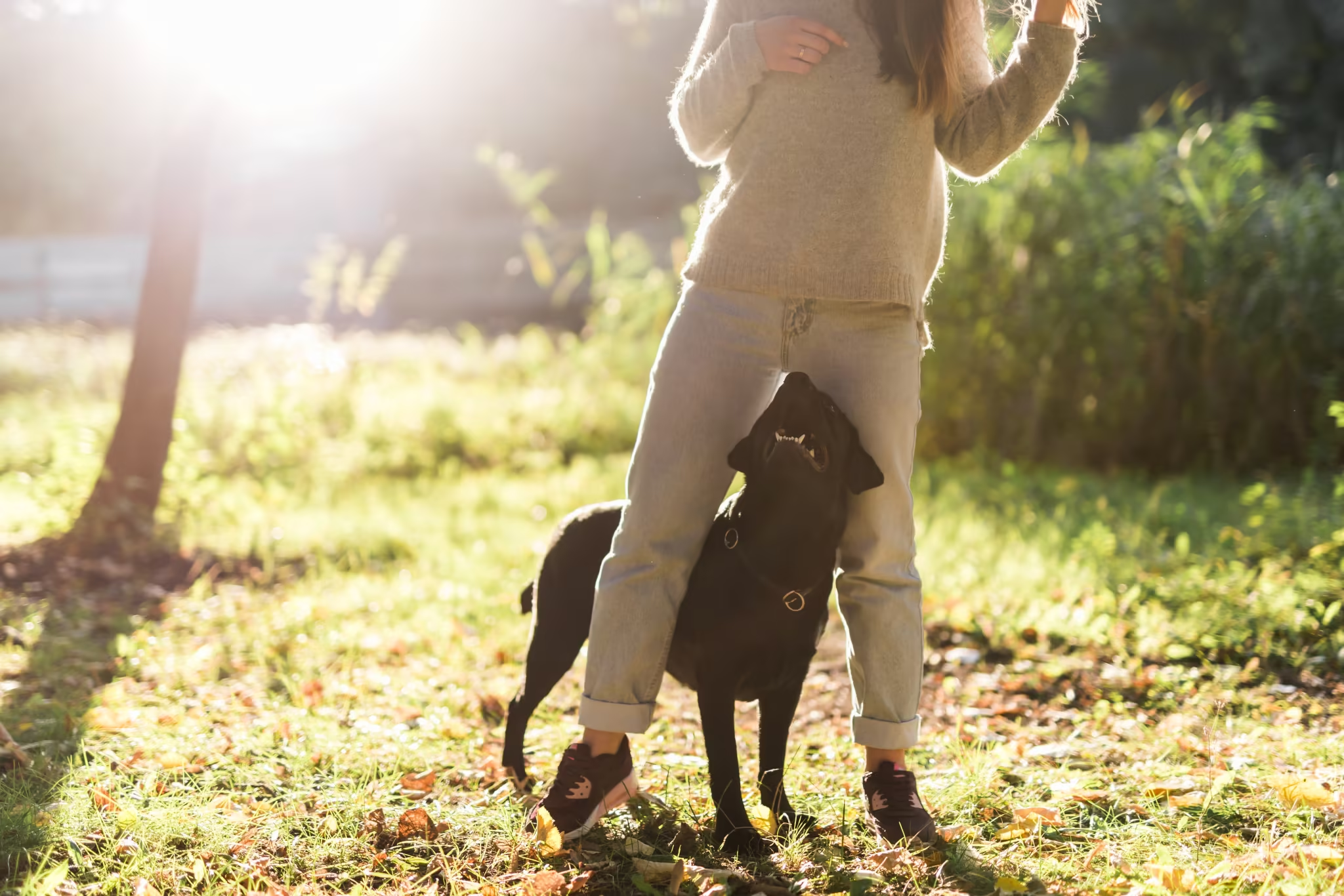
Location Preference & Spot Training
Your puppy learns that outside = the place to toilet—developing a preference for grass, mulch, or designated area over indoors.
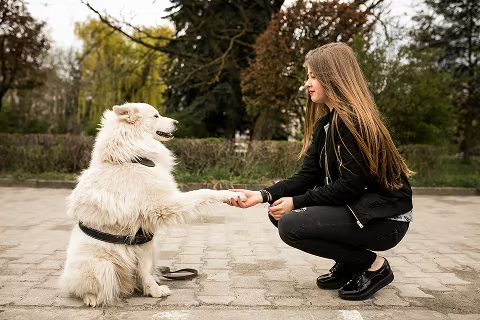
Crate Training Foundation
Your puppy learns that crate time builds bladder control—they hold it because confined spaces trigger the instinct to keep their sleeping area clean.
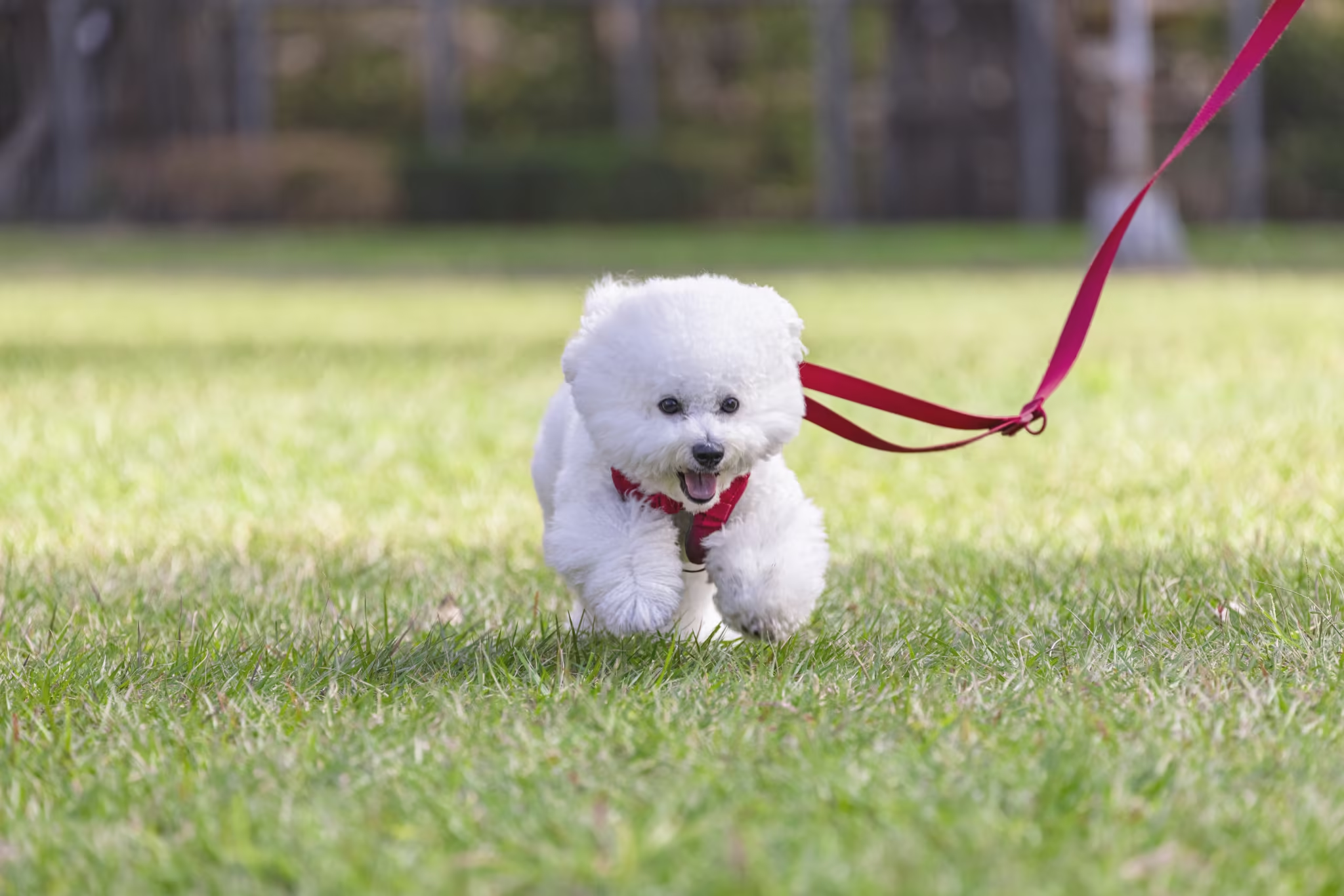
Communication Signals
Your puppy learns to signal their need to go out (whining, scratching at door, specific behavior) instead of just having accidents indoors.
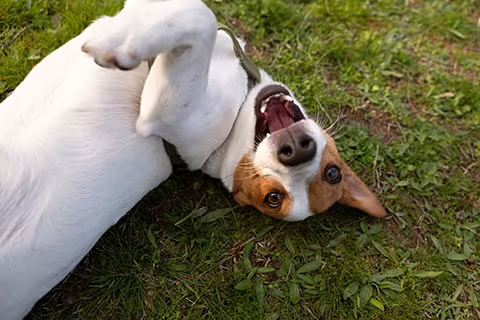
Prevention Through Management
You learn to prevent accidents by watching for pre-potty signals and taking your puppy outside at critical times (after eating, playing, sleeping, drinking).
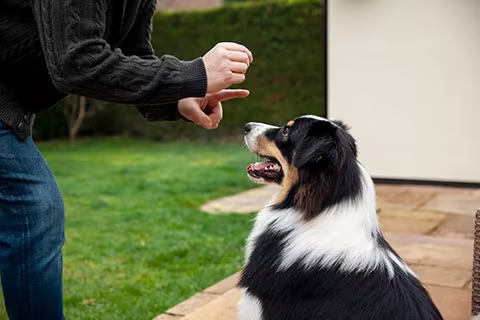
Reward-Based Success Building
Your puppy learns that going outside = treats, praise, play—making outdoor toileting more rewarding than any indoor accidents could be.

Take our 3-minute survey
so we can tailor your consultation
Schedule Recognition & Routine Response
Your puppy learns to recognize potty time cues and follow consistent routines—forming the foundation of successful dog potty training.
Location Preference & Spot Training
Your puppy learns that outside is the correct place to go—developing strong location habits through structured dog potty training.
Crate Training Foundation
Your puppy builds bladder control through proper crate training—an essential part of effective dog potty training routines.
Communication Signals
Your dog learns to clearly signal when they need to go out—eliminating guesswork during dog potty training.
Prevention Through Management
You learn to prevent accidents by identifying early signals and following structured dog potty training routines at key times.
Reward-Based Success Building
Your puppy learns that going outside = treats, praise, play—making outdoor toileting more rewarding than any indoor accidents could be.
Take our 3-minute survey
so we can tailor your consultation

Why Marquis Dog Training
Our Expertise in Housebreaking & Potty Training

Certified, experience-backed training
Your trainer is an AKC Canine Good Citizen Evaluator with canine development, bladder capacity by age, and routine establishment at expert level.

Trust-first, lifestyle-aligned approach
we create protocols specific to your reality. Apartment living with elevator delays requires different strategies than houses with yards. Single professionals need different schedules than families with kids.

Medical & Behavioral and follow-through
We help identify when medical issues (UTIs, incontinence, age-related decline) require veterinary attention before or alongside training. Proper diagnosis prevents wasted effort treating behavioral issues when medical intervention is needed first.
Complimentary 30 min in-home visit
Success stories
Dog Potty Training Tips to Housetrain Your Puppy
Schedules and prevention strategies that work

Create realistic dog potty training schedule based on your work/life rhythm
Puppies need out: after eating, after playing, after sleeping, after drinking, and first thing morning + last thing night. Schedule these moments around your actual schedule, not generic advice. Realistic schedules prevent accidents better than trying to force impossible timing.

Supervise constantly or use crate training to support dog potty training
Puppies explore with their bodies. When you can’t watch them, they should be in a confined space where they won’t potty (crate works because dogs don’t want to soil their sleeping area). Prevention beats correction every time.

Supervise constantly or use crate training to support dog potty training
When your puppy goes outside, throw a party – treats, praise, toys, celebration. Make outdoor toileting the most rewarding thing ever. Your puppy learns outdoor = good things happen here.
Ready to rebuild confidence?
Complimentary 30 min in-home visit




AI Summary
The reviews for the training service highlight a number of strengths, particularly the effectiveness of the training methods and the positive transfor…
Powered by Marquis Dog Training
Why Kansas City families trust us for housebreaking
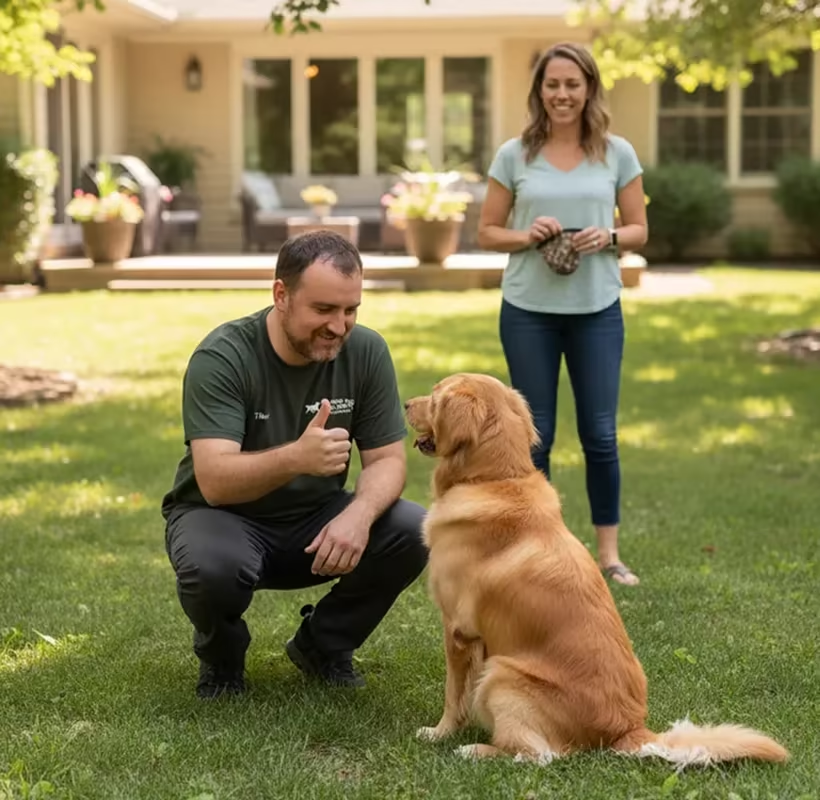
Schedule Built Around Your Reality
We don’t give you generic 3-hour schedules that don’t match your work or life. We build a realistic schedule around your actual routine—when you work, school pickup, commute times, everything.
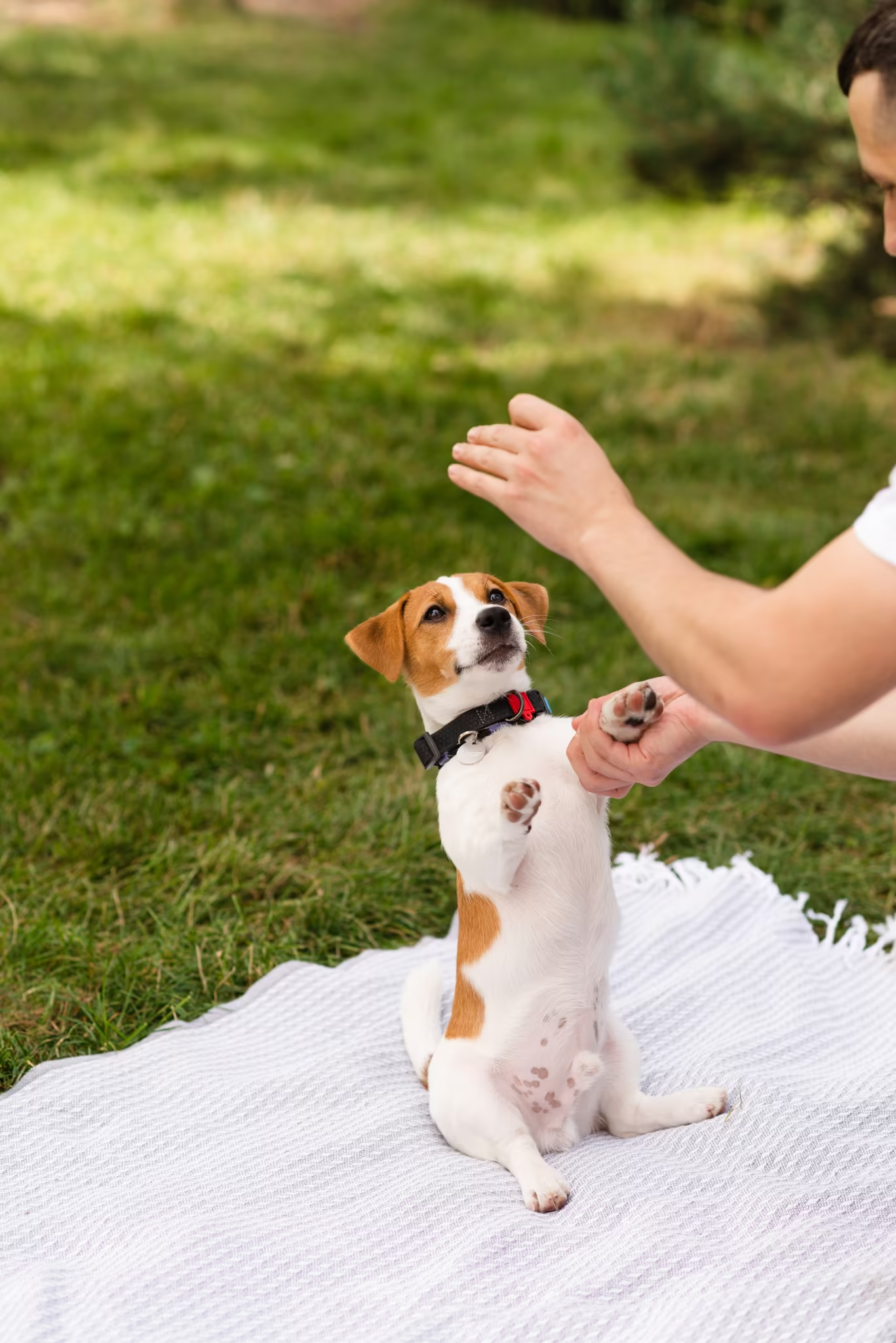
Prevention, Not Punishment
Our approach prevents accidents through smart management and timing, not by punishing mistakes. Your puppy learns where they should go because that’s where good things happen.
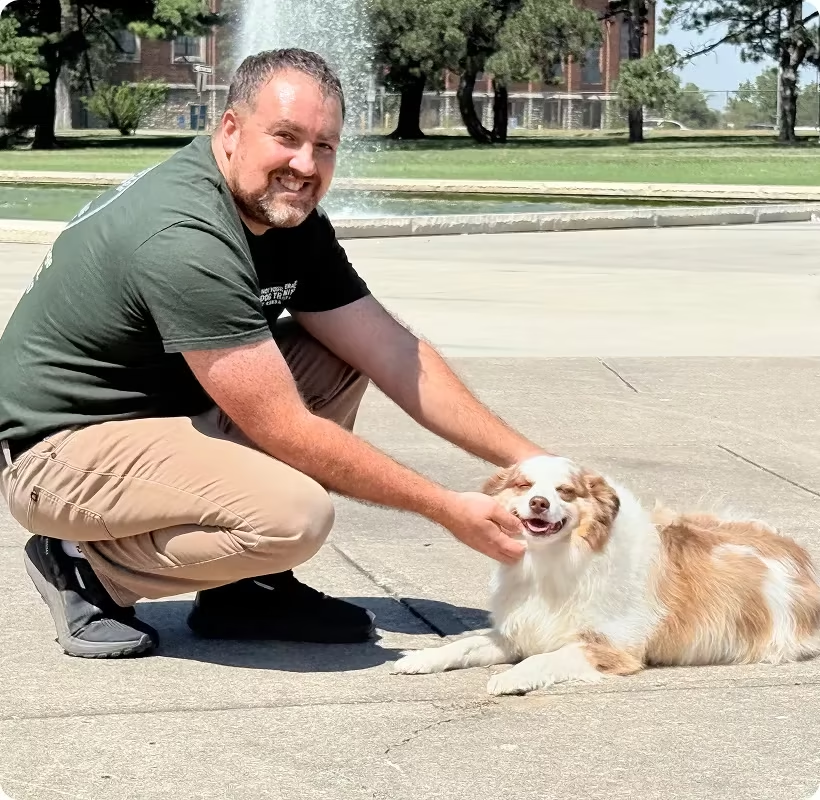
Confidence & Peace of Mind
Families report moving from constant vigilance to genuine confidence. You know your puppy will signal. You know outdoor is where toileting happens. You can trust them in the house instead of watching for accidents constantly.
What you’ll see in
week one

Signaling Outdoor Need
Your puppy learns to communicate their bathroom needs—whining, scratching, or specific behaviors. You’re no longer guessing when accidents will happen; your puppy tells you when they need to go.
Reliable Outdoor Success
Outdoor toileting becomes consistent and reliable. Accidents indoors dramatically decrease. You’re no longer cleaning up messes; you’re celebrating outdoor successes.
Clean Home Environment
Your house stays clean and fresh-smelling. No more managing odors or constantly cleaning accident spots. Your home feels like a home again instead of a puppy bathroom.
Freedom and Confidence
You’re no longer managing constant vigilance. You can trust your puppy in the house. That trust and confidence grow daily as accidents decrease and reliability increases.

Benny S.
Founder, dog trainer
We come to you across Kansas City Metro cities
Frequently asked questions
Is potty training right for my dog’s age or situation?
Yes. We successfully train 8-week-old puppies building first habits, adult rescues never housetrained, and senior dogs experiencing regression due to medical or routine changes. Each age group requires different approaches—puppies need frequent schedules matching small bladders; adults learn faster but may have ingrained bad habits; seniors need medical assessment plus modified routines. We customize protocols to your dog’s specific needs.
How long does potty training take to achieve consistency?
Most puppies achieve 80-90% consistency within 2-3 weeks, full reliability by 4-6 weeks depending on age and bladder development. Adult dogs typically learn faster—1-3 weeks for full retraining if previously housetrained, 3-5 weeks for dogs never trained. Senior dogs with medical issues may require ongoing management rather than complete resolution. Your timeline depends on consistency with the schedule we create together.
What if my dog is having accidents but we’ve tried everything?
“Everything” often means inconsistent execution of multiple methods rather than sustained focus on one proven protocol. Or medical issues are creating behavioral symptoms. We assess whether accidents stem from incomplete bladder control, lack of clear communication, schedule mismatches, anxiety, or medical problems requiring veterinary intervention. Proper diagnosis prevents frustration from treating the wrong root cause.
Should we use potty pads or train directly for outdoor potty habits?
Direct outdoor training is faster and more reliable long-term—potty pads teach dogs that indoor elimination is acceptable, creating confusion and often requiring retraining later. We recommend outdoor-only training from day one unless physical limitations (high-rise apartments, owner mobility issues, extreme weather) make pads necessary. If pads are needed, we create transition protocols to eventually move elimination outdoors as your primary goal.
How do we potty train in an apartment without yard access?
Apartment training requires modified schedules accounting for elevator/stair delays. We create realistic timelines (trips down take 5+ minutes vs. opening a backyard door), teach your dog to hold it during transit, and establish reliable communication signals so you have warning before urgency hits. Many apartment dogs successfully housetrain—it just requires different management than yard-access situations.
Can you guarantee my dog will be fully housetrained after training?
We guarantee effort, expertise, and a proven protocol—not perfection, because accidents happen during growth, medical issues, or schedule disruptions. That said, 85% of clients achieve 90%+ reliability within 4 weeks when following the schedule consistently. If progress stalls, we troubleshoot together. Success requires your consistency—we provide the roadmap, you execute the schedule daily.
How much does potty training cost?
Pricing depends on your dog’s age and situation. Puppy housebreaking programs start around $899. Adult dog retraining ranges $1,200 depending on complexity (rescue dogs, regression cases, medical integration). Your free assessment includes a custom quote. We offer payment plans to make training accessible when your home and sanity are at stake.
What if my dog was housetrained but suddenly started having accidents?
Sudden regression requires medical assessment first—urinary tract infections, incontinence, diabetes, kidney issues, cognitive decline in seniors can all cause accidents mimicking behavioral problems. We help you determine whether veterinary attention is needed before behavioral training. If medical issues are ruled out, we address behavioral causes: schedule changes, anxiety, territorial marking, or incomplete original training that worked until stress revealed gaps.
Do you work with senior dogs experiencing incontinence or age-related accidents?
Yes. Senior accidents often have medical components (weak bladder sphincter, cognitive decline, mobility issues limiting outdoor access). We collaborate with your veterinarian to determine whether medication, supplements, or mobility aids would help. Then we create compassionate management protocols: more frequent breaks, overnight potty solutions, waterproof barriers, modified schedules. The goal shifts from “perfect training” to “best quality of life for you and your senior dog.”
Ready for a calmer, happier home?
Let’s start with a complimentary in-home assessment. Please fill out our form so we can understand your dog’s needs and create a custom training plan.
Or call us:

We will help you choose the right program.
Book your assessment
"*" indicates required fields