
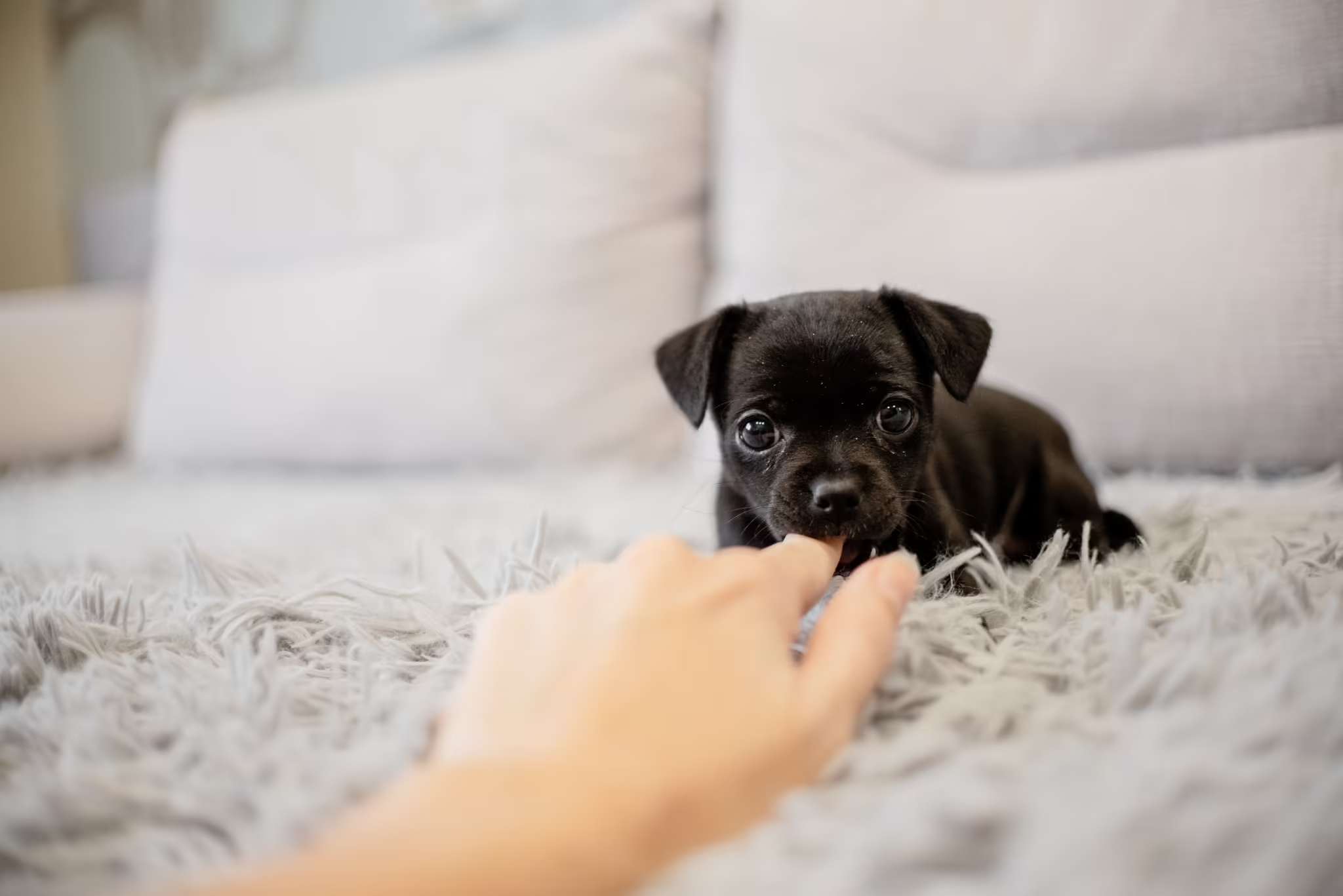
The first 16 weeks of your puppy’s life are the most critical—not because they determine everything about your dog, but because they set the foundation for how your dog will react to the world around them. Puppies raised with proper socialization grow into confident, friendly adults who take new experiences in stride. Those without enough positive exposure often develop fear-based reactions, anxiety, and sometimes aggression. The challenge? Balancing necessary socialization with safety during crucial vaccine windows. This guide breaks down what socialization actually is, when to do it, which experiences matter most, and exactly how to introduce your puppy to people, animals, and new environments without overwhelming them or creating negative associations. Whether you’re bringing home a new puppy or adopting a young rescue dog, these evidence-based techniques will help you raise a confident, well-adjusted companion who enjoys meeting new people and experiencing new situations.
What Is Puppy Socialization (And Why It Matters)
Socialization isn’t just about exposing your puppy to lots of people and situations—it’s about creating positive associations with new experiences. A socialized puppy doesn’t just tolerate new things; they expect them to be good.
When your puppy meets someone new and receives treats, praise, and gentle interaction, their brain learns: “New people = good things happen.” When they hear a loud noise and nothing scary occurs (especially if followed by a reward), they learn: “Loud sounds are not a threat.”
Without proper socialization, your puppy’s brain fills in blanks with fear. If they don’t meet many people during the critical window, their brain assumes people are unusual and potentially threatening. This is how fear aggression develops—not from abuse, but from unfamiliarity.
Research published in veterinary behavior journals shows that puppies with inadequate socialization are significantly more likely to develop anxiety, fear-based aggression, and reactivity as adults. The inverse is also true: puppies with positive early experiences become more adaptable, confident adults.
The goal of socialization isn’t to make your puppy a social butterfly who loves everyone equally. It’s to teach them that new experiences are manageable, that the world is generally safe, and that they can trust you during unfamiliar situations.
Critical Socialization Windows: The Timeline
There are distinct developmental periods when puppies are most receptive to learning about the world. Missing these windows doesn’t make training impossible later, but it does require significantly more effort.
3-5 Weeks (Littermates & Mother) This is where socialization begins—with siblings and mother. Puppies learn to communicate, bite inhibition, and basic dog behavior during this period. Quality breeders facilitate lots of human handling during this time, too.
5-9 Weeks (Early Human Socialization) This is when you should begin introducing your puppy to different people, environments, and stimuli. Before full vaccination, focus on low-risk environments like your home, garden, and quiet areas where other dogs aren’t common. Carry your puppy in public (don’t let them walk where unvaccinated dogs have been) to expose them to sounds, sights, and different people.
9-16 Weeks (Peak Socialization Window) This is the critical period when your puppy has some vaccination protection and their nervous system is most plastic (changeable). This is when you want to maximize exposure to different types of people, environments, sounds, and—when appropriate—other dogs. This 7-week window is absolutely vital.
16+ Weeks (Ongoing but More Challenging) You can continue socializing after 16 weeks, but the window for easy learning starts to close. Puppies become slightly more cautious by nature (an evolutionary advantage as they become mobile and vulnerable). New experiences after this period require more exposure and are less likely to create the same automatic positive response.
Safe Introduction to People
People socialization is crucial, and the goal is variety. Your puppy needs to meet people of different appearances, ages, and genders.
The Right Way to Introduce People to Your Puppy:
- Use treats and positive association. When someone new approaches, have them offer treats before petting. Let your puppy approach at their own pace—don’t force interaction.
- Let them touch different body parts. Have your guests gently touch your puppy’s paws, ears, mouth, and belly. This prevents handling anxiety later (crucial for vet visits and grooming).
- Create variety. Introduce your puppy to:
- Children of different ages
- Adults with different appearances (beards, glasses, hats, different body sizes)
- People with mobility aids (wheelchairs, canes, crutches)
- Different ethnicities and presentations
- Keep sessions positive and brief. If your puppy seems overwhelmed, take a break. You want every encounter to end on a positive note, not with your puppy frightened.
Example scenario: Your neighbor stops by. Instead of immediately petting your puppy, they hand you some treats. Your puppy approaches them, gets a treat. They gently touch your puppy’s paws while giving more treats. The interaction is short, positive, and ends before your puppy gets tired. Your puppy’s brain registers: “New people = treats and gentle handling.”
Dog-to-Dog Introductions Done Right
This is where many owners go wrong. Throwing puppies together and hoping for the best sometimes works, but it just as often creates negative associations that last into adulthood.
Prerequisites for safe dog meetings:
- Your puppy has had at least one set of vaccinations
- You know the other dog is friendly, vaccinated, and healthy
- Both dogs are calm before the introduction
- You have a plan for managing the interaction
The step-by-step introduction:
- Start in neutral territory. Not your puppy’s home, not the other dog’s home—somewhere new to both dogs.
- Begin with a parallel walk. Walk your puppy and the other dog side-by-side without direct interaction. This allows them to get used to each other while focused on walking.
- Allow sniffing. Let them sniff each other’s rear ends for a few moments. This is normal dog communication.
- Watch body language carefully. If either dog shows signs of stress (freezing, tucked tail, whale eye, growling), calmly separate them and increase the distance.
- Keep first meetings brief. 5-10 minutes is plenty for a first introduction.
- Repeat with different dogs. Your puppy needs to meet multiple other dogs during the socialization window, not just one.
What NOT to do:
- Don’t force interaction if your puppy shows nervousness
- Don’t let larger or overly boisterous dogs bowled over your puppy
- Don’t expect puppies to play immediately—sniffing and investigating is the goal
- Don’t punish your puppy for appropriate nervousness (which teaches them to hide fear instead of communicate it)
Exposing Your Puppy to Sounds and Environments
Confident puppies don’t just meet people and dogs—they experience a wide variety of environments and sounds.
Environmental exposure:
- Different flooring types (tile, wood, carpet, concrete)
- Stairs and elevation changes
- Cars and car rides (start with parked cars, then short drives)
- Crowded spaces (farmers markets, outdoor patios)
- Parks and trail environments
- Vet clinic (visit just for treats, not appointments when possible)
- Various room types and lighting
Sound exposure: Many puppies develop sound sensitivities if not gradually exposed to normal household and environmental sounds. The key is gradual exposure without fear.
- Start with low-volume recordings of common sounds (traffic, vacuum, thunder)
- Play during positive activities (feeding, treat time, play)
- Gradually increase volume over days or weeks
- Never force your puppy toward the sound source; let them investigate at their own pace
- Reward calm behavior with treats and praise
When you’re out and your puppy hears unexpected noises (a siren, fireworks), stay calm. Your puppy takes emotional cues from you. If you tense up, they learn that the sound is something to worry about.
The golden rule: Keep all new experiences positive, manageable, and brief. Ending on a high note is more important than duration.
Key Takeaways
Socialization is Critical:
- Puppies develop foundational attitudes toward the world during 5-16 weeks
- Inadequate socialization can lead to lifelong fear and reactivity
- Quality of exposure matters more than quantity
Create Positive Associations:
- Use treats, praise, and short interactions
- Introduce variety: different people, environments, sounds
- Let your puppy approach new things at their own pace
Dog-to-Dog Introductions:
- Start in neutral territory
- Keep first meetings brief (5-10 minutes)
- Watch body language carefully
- Meet multiple dogs, not just one
Manage Critical Vaccine Windows:
- Avoid high-risk areas before vaccination
- Carry your puppy in public to expose them to new experiences safely
- Don’t delay socialization—the window is narrow and critical
Build a Confident Puppy Foundation
Proper puppy socialization is one of the most valuable investments you can make in your dog’s future behavior and temperament. The effort you put in during these early weeks pays dividends for the next 10-15 years.
Our Puppy Training Program is specifically designed around these critical developmental windows. We provide guidance on socialization strategy, help you navigate the vaccine timeline, and teach you how to create positive associations during this crucial period.
If you’re adopting an older puppy or young dog who may have missed the ideal socialization window, don’t worry—we have proven techniques for confidence-building at any age.
Frequently Asked Questions
Q: Is it safe to socialize my puppy before they’re fully vaccinated? A: Yes, with smart management. During the critical socialization window (5-16 weeks), many experts recommend controlled socialization despite incomplete vaccination, because the behavioral risks of inadequate socialization often outweigh the disease risk. Avoid high-risk areas (dog parks, areas where unknown dogs frequent), but do carry your puppy in public, visit quiet parks, and arrange meetings with vaccinated dogs. Talk to your vet about the best strategy for your area.
Q: What if my puppy seems scared during socialization? A: This is normal. Don’t push them or reassure them excessively (which can reinforce nervousness). Instead, stay calm, give them space, and let them approach new things at their own pace. Nervous behavior at 8-10 weeks often resolves with gentle, repeated exposure. If your puppy consistently shows extreme fear, consult a professional trainer.
Q: Can I socialize my puppy too much? A: Overexposure can happen if you’re not paying attention to your puppy’s stress signals. If your puppy is overwhelmed, withdrawn, or shut down, you’re doing too much too fast. The goal is positive experiences, not maximum exposure. Fewer positive exposures are better than many stressful ones.
Q: My puppy was 16+ weeks old before I could start socialization. Is it too late? A: It’s not too late, but it will require more effort and patience. Adult socialization is possible but requires more repetition and careful management of the environment. Many dogs catch up fine; some develop lasting nervousness. Starting as soon as possible is still important.
Q: Should I use treats from a person’s hand or put them on the ground? A: Both! If your puppy is nervous, putting treats on the ground is less threatening. As they get comfortable, hand treats help build trust directly with the person. This transition from ground-treats to hand-treats is a sign of increasing confidence.
About Marquis Dog Training: We understand that raising a confident puppy requires proper timing and technique. Our Trust-First approach to puppy training emphasizes positive socialization during this critical developmental period. Whether you’re starting with an 8-week-old puppy or a rescue who missed early socialization, we’re here to help.