Aggressive behavior in dogs does not fix itself. It gets worse when it’s ignored or handled inconsistently. The key is to identify the cause, create structure, and correct the behavior clearly every time it happens.
We work with aggressive dogs regularly through certified professional dog aggression training in Kansas City, often in home environments where the behavior is most visible. With the right approach, most dogs and even reactive puppies can learn control and safer behavior.
Quick Answer: How to Stop Aggressive Behavior in Dogs
Aggression improves when your dog learns that calm behavior is expected and aggressive responses do not work.
To start correcting aggression:
- Stay calm and avoid emotional reactions
- Interrupt aggressive behavior immediately
- Create clear boundaries and structure
- Avoid situations that trigger escalation early on
- Reinforce calm, controlled behavior
- Stay consistent in every interaction
Aggression continues when it controls situations. It improves when the dog learns it does not work.
Need hands-on help now? Our Anxiety and Aggressive Dog Training program works with aggressive, anxious, and reactive dogs in your own home across Kansas City, and it starts with a free in-home assessment so you can meet your trainer before you commit.
Why Dogs Become Aggressive
Aggression is usually a learned response, not a personality trait. Most dogs show aggression because it has worked for them in the past or because they feel the need to control a situation. From a veterinarian perspective on medical causes, some aggression stems from pain or underlying health conditions that require assessment before behavioral modification begins.
In many cases we handle during dog training in Kansas City near you, aggression starts small and builds over time when it is not addressed early. Our experienced trainers work with owners to evaluate behavior triggers during a free consultation, helping you understand what to expect from the first visit.
Common causes include:
- Fear or insecurity
- Resource guarding (food, toys, space)
- Lack of boundaries at home
- Overstimulation or frustration
- Poor socialization
- Inconsistent handling by owners
- Breed-specific issues and temperament factors
- Rescue dog challenges from previous training failed attempts
For example, if a dog growls and the situation backs away, the dog learns that aggression creates space. Over time, that behavior becomes stronger. This reactivity pattern is especially common in territorial aggression and leash aggression cases.
Dogs repeat behaviors that create results, even if those behaviors are unwanted.
Step-by-Step Obedience Training for Aggressive Dogs in Kansas City Near You
1. Identify the Trigger Before Correcting
Before correcting aggression, you need to understand what causes it. Our qualified professionals assess each canine during an initial consultation to diagnose the specific triggers and customize programs for each dog.
Pay attention to patterns:
- Does aggression happen around food?
- Is it triggered by strangers or other dogs?
- Does it occur during handling or grooming?
- Does your pet show dominance-based aggression or reactivity toward other pets in the home?
Knowing the trigger helps you address the behavior at the right moment.
You cannot fix what you do not clearly understand.
2. Interrupt the Behavior Early
Do not wait until aggression escalates.
The moment you see early signs:
- Stiff body language
- Intense staring
- Growling starting
Interrupt calmly but clearly. Using humane, science-based methods, our trainers redirect the behavior with structure and clear guidance.
For example:
A firm “No” combined with removing the dog from the situation helps stop escalation early. Immediate intervention prevents severe cases from developing.
Early correction prevents full aggressive reactions.
3. Remove Control From the Dog
Aggression often comes from the dog trying to control a situation.
You need to reset that dynamic by controlling:
- Movement
- Space
- Access to people or objects
For example:
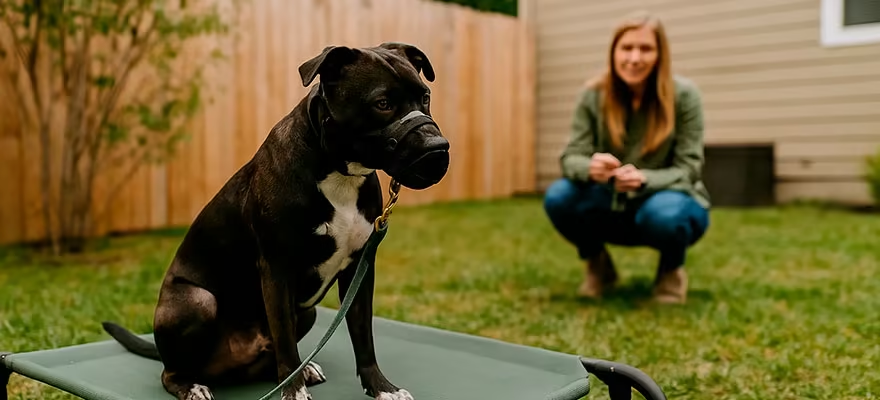
If your dog guards a toy, remove access instead of letting them control it. In severe cases, a muzzle may be used temporarily during training sessions to ensure family safety and child safety while the dog learns alternative behaviors.
When the dog loses control over situations, aggression decreases.
4. Teach Alternative, Calm Behavior
Correction alone is not enough. Your dog needs to learn what to do instead.
Replace aggressive reactions with:
- Sit
- Place
- Calm waiting
Reward calm behavior immediately.
For example:
If your dog reacts to guests, teach them to go to a “place” instead. This balanced approach helps socialize and desensitize your pet to visitor perspective on entering home scenarios.
Replacing behavior creates lasting change.
5. Manage the Environment During Training
Do not allow repeated aggressive behavior while training.
Control exposure:
- Limit triggers early on
- Use controlled setups
- Avoid overwhelming situations
For example:
If your dog reacts to other dogs, do not force close interactions too early. A crate can provide a safe space during the rehabilitation process, and our flexible scheduling includes weekend availability and evening appointments to accommodate your routine.
Controlled exposure builds confidence without escalation.
6. Stay Consistent in Every Situation
Aggression does not improve with occasional training.
Consistency means:
- Correcting every time
- Reinforcing calm behavior daily
- Keeping rules the same for all family members
If aggression is allowed sometimes, the behavior becomes unpredictable and harder to fix. Our personalized written training plan ensures all household members follow the same approach, and we provide ongoing support with follow-up sessions included to track progress.
Consistency builds trust and clarity.
Common Mistakes to Avoid When Training an Aggressive Dog
Aggression often gets worse because of common handling mistakes.
Avoid these:
- Ignoring early warning signs
- Punishing too late after escalation
- Reacting emotionally (yelling, panic)
- Allowing the dog to control situations
- Inconsistent correction between family members
- Forcing dogs into stressful situations too quickly
For example, yelling during aggression often increases intensity instead of calming the dog. From a child perspective on dog safety, it’s critical that parents prevent situations where kids might accidentally trigger aggressive responses.
Clear, calm handling is more effective than emotional reactions.
When to Consider Professional Dog Training for Aggressive Behavior
Aggression is one of the most important behaviors to address correctly. Our licensed and insured specialists handle severe aggression cases with proven, results-driven methods backed by years of experience.
You should seek professional help if:
- The dog has bitten or attempted to bite
- Aggression is increasing over time
- The dog guards food, toys, or space
- You feel unsure or unsafe managing behavior
- Training attempts are not improving the situation
- You need a vet recommendation or want trainers who coordinate with veterinarians to rule out medical causes
- You’re concerned about insurance perspective on liability or landlord perspective on aggressive pets
With in-home dog training in Kansas City, aggression can be addressed directly in the environment where it occurs, which leads to more reliable results.
Working in real situations allows faster correction and safer progress.
Why In-Home Dog Aggression Training Near You Works Best
Aggression is often tied to specific environments and routines.
That is why dog behavior training Kansas City is most effective when done at home. Our local team provides same-day service for emergency situations and offers owner education as part of every customized training plan.
In-home training allows:
- Identifying real triggers in your environment
- Practicing controlled interactions
- Teaching behavior in daily routines
- Involving all family members
- Video analysis of behavior patterns to modify and prevent future incidents
- Addressing neighbor perspective on aggressive dogs and ensuring community safety
For example, if your dog shows aggression toward guests, training inside your home allows direct correction during real situations. This successful approach helps transform even the most reactive canines into calm, obedient companions.
Dogs learn best where the behavior actually happens.
FAQ: Dog Training for Aggressive Dogs in Kansas City
Can aggressive dogs be trained?
Yes. Most dogs can improve with proper structure, consistency, and training. Our proven success rate demonstrates that even severe cases can be rehabilitated with the right program and dedicated effort.
How long does aggression training take?
It depends on severity, but most dogs show improvement within weeks when training is consistent. Age considerations and whether medication needed will be discussed during your consultation process with our certified team.
Is aggression always caused by bad behavior?
No. Many cases come from fear, insecurity, or confusion, not intentional behavior. From a rescue organization perspective, many adopted dogs carry trauma that requires patient, compassionate rehabilitation.onfusion, not intentional behavior.
Should I punish aggressive behavior?
Avoid harsh punishment. Use clear correction, structure, and redirection instead. Our humane, structured techniques suppress unwanted behaviors while teaching your dog to obey through positive methods.
Can aggression get worse over time?
Yes. If not addressed, aggressive behavior usually becomes stronger and more frequent. That’s why we offer emergency service and immediate assessment to prevent escalation.
How much does aggression training cost?
Our competitive rates and transparent pricing ensure affordable access to expert care. Contact us for a free consultation to discuss price, what to expect, and our follow-up support.
If this article gave you a starting point but you want a professional plan, the Anxiety and Aggressive Dog Training program is built for exactly this work. Book a free in-home assessment and we will map the plan in your home.
Final Thoughts About Obedience Training for Aggressive Dogs
Aggression is not something to ignore or hope will go away. It requires clear structure, consistent handling, and the right approach.
When your dog understands that calm behavior is expected and aggression does not lead to control, behavior begins to change.
At Marquis Dog Training, we focus on trust-based, dog aggression training in Kansas City, helping dogs develop safer, more controlled behavior in real-life situations. As a dedicated, full-service provider with specialized expertise, we’re committed to helping your family achieve lasting peace of mind. Our background checked, compassionate trainers bring years of experience to every session, ensuring your pet receives the expert care they deserve.
Address aggression early, stay consistent, and focus on building calm, reliable behavior over time.