
Separation Anxiety Dog Training
for Kansas City dogs who panic when alone
Transform destructive panic into confident independence—without guilt or guesswork.
The Weight of Separation Anxiety for Dogs
Dog Separation Anxiety Training – Why It Matters
Why Your Dog’s Anxiety Feels Impossible—And Why It Matters
You can’t leave for groceries without returning to destruction. Neighbors complain about barking. Your dog’s distress is visible—pacing, drooling, scratching at doors, eliminating indoors. You’ve tried crates, puzzle toys, leaving the TV on. Nothing works. The guilt is overwhelming, and your life feels held hostage by your dog’s panic.
Left unaddressed, separation anxiety escalates. Dogs injure themselves trying to escape. Property damage worsens. Behavioral medication becomes necessary. And you’re trapped—unable to work outside the home, travel, or live normally. Your dog isn’t being “bad”—they’re terrified. But that doesn’t make it easier to manage.
Common Separation Anxiety Challenges:
- Destructive Behavior caused by separation anxiety – Chewed furniture, scratched doors, torn blinds, elimination accidents—your dog’s panic manifests as property destruction you can’t keep repairing.
- Training Dogs to Stay Home Alone Without Constant Barking – Nonstop barking, howling, or whining when you leave creates neighbor complaints, lease violations, and eviction threats in rental situations.
- Dog Alone Anxiety Solutions for Rescue & Rehomed Dogs – Dogs with unknown histories or previous abandonment trauma often develop severe attachment issues requiring specialized behavior modification protocols.
Our Trust-First Approach to Separation Anxiety Training for Dogs
How We Teach Confident Independence Without Forcing It
Traditional advice—”just ignore them” or “tire them out”—doesn’t address the emotional root of separation anxiety. At Marquis Dog Training, our dog separation anxiety trainer in Kansas City focuses on gradual desensitization, building your dog’s confidence in solitude, and creating positive associations with your departures.
We work in your home, where anxiety happens, using science-backed counterconditioning techniques that reduce panic responses within the first two weeks.
Our Approach Includes:
- Trigger Identification – Pinpointing your dog’s exact anxiety cues (keys, shoes, door routines, pre-departure rituals)
- Gradual Desensitization Protocol – Building tolerance from 30 seconds alone to multiple hours through systematic increments
- Independence Foundation Skills – Teaching calm settling behaviors and confidence in solitude through structured alone-time practice
- Owner Coaching – Training YOU to adjust departure routines, practice graduated absences, and reinforce calm behavior consistently

How Separation Anxiety Dog Training Works
How Our Trust-First Method Works
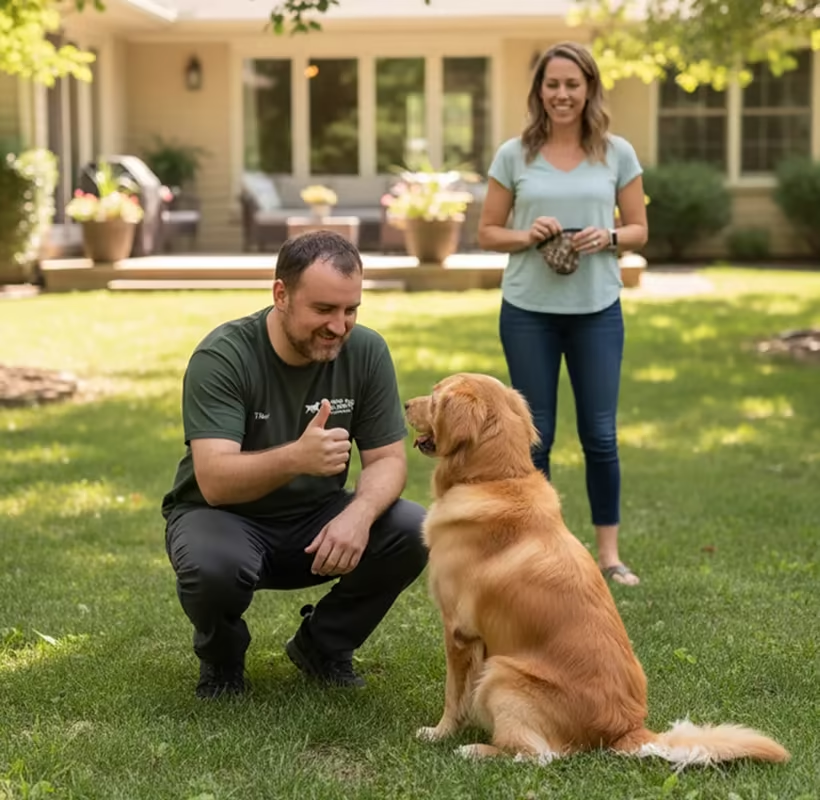
In-Home Assessment
We observe your dog’s pre-departure behavior, identify specific triggers (grabbing keys, putting on shoes, door rituals), assess severity (mild distress vs. destructive panic), and create a custom desensitization timeline. You’ll leave with immediate management strategies to reduce anxiety while we build long-term confidence.
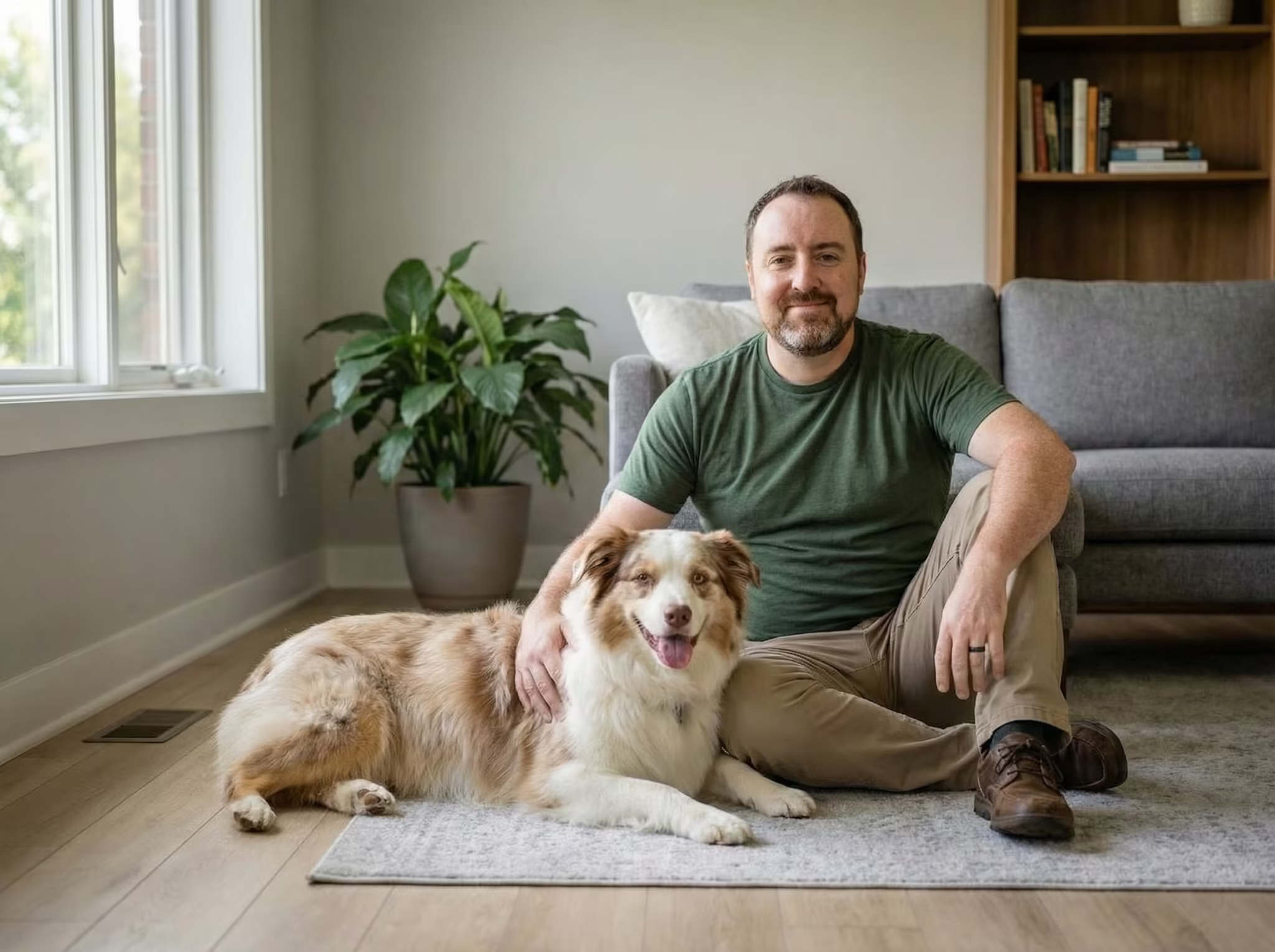
Foundation Skills at Home
Through calm settling exercises, place training, and relaxation protocols, we teach your dog that being alone is safe and boring—not terrifying. Short, structured alone-time practice sessions create positive associations with solitude. We coach you on departure routines that don’t trigger anxiety.
Controlled Exposure Sessions
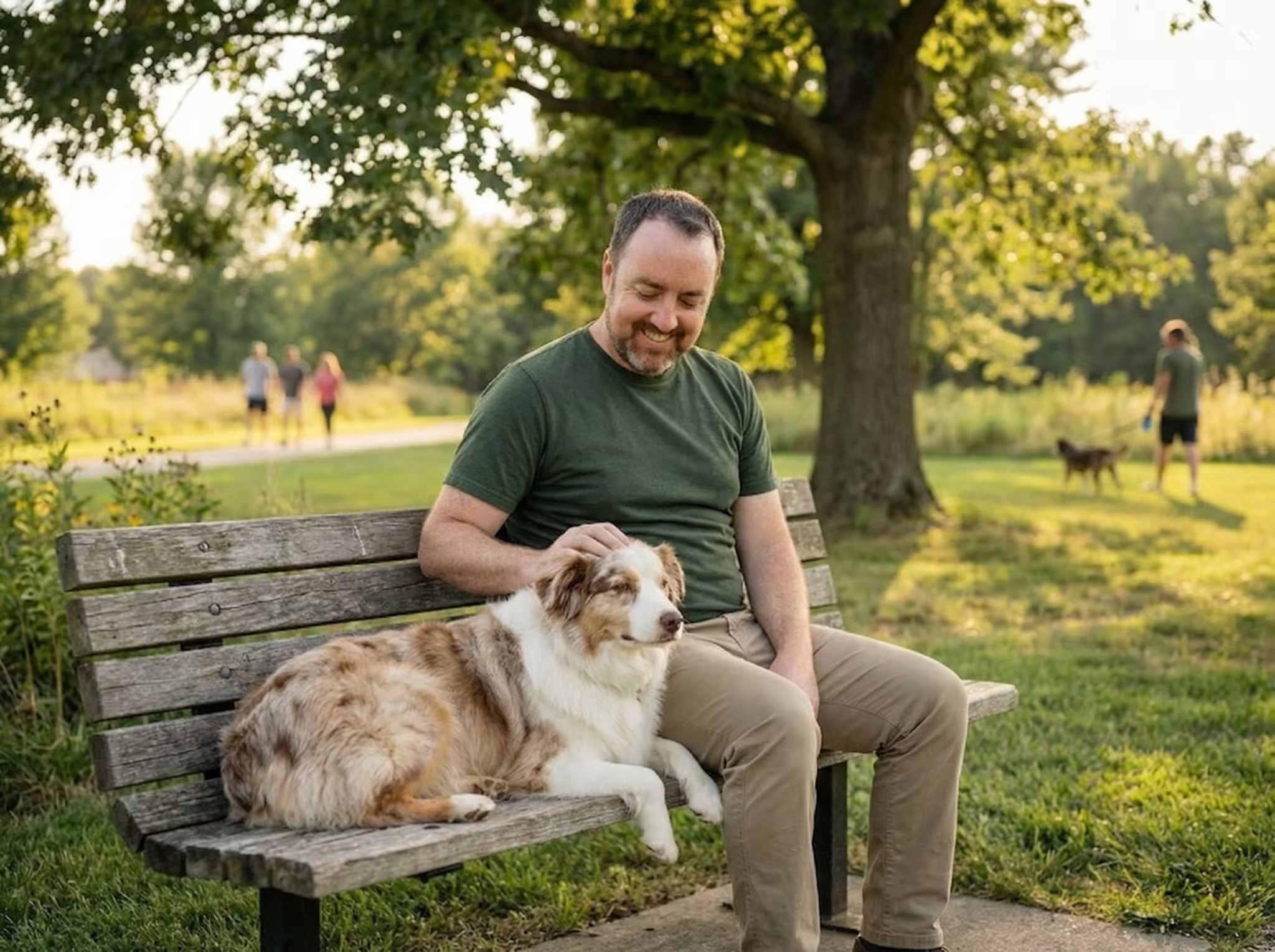
We systematically increase alone time—from minutes to hours—using your dog’s tolerance threshold as the guide. Too fast triggers setbacks; our pacing prevents regression. You’ll practice real-world departures while we monitor progress and adjust protocols based on your dog’s response.
Confidence & Maintenance
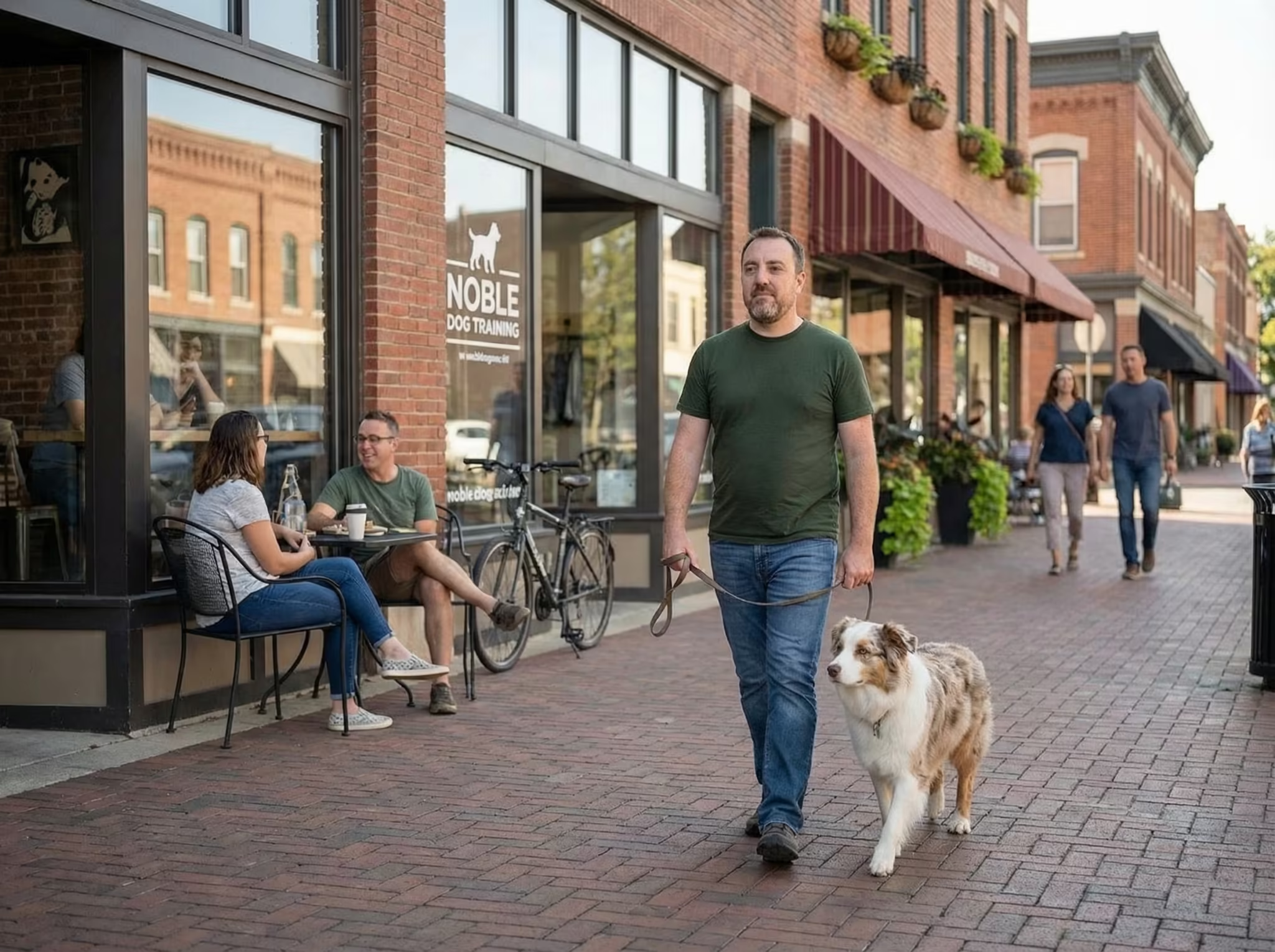
Final sessions focus on variable schedules, unexpected departures, and maintaining calm behavior during life changes (new work schedule, moves, vacations). You’ll have clear protocols for preventing relapse, plus ongoing email support for troubleshooting anxiety spikes as they arise.
Dog Training Outcomes You Can Expect

Freedom to Live Normally Again
onfident your dog is calm at home, not destroying property or distressing neighbors. Independence training restores your freedom and your dog’s peace of mind.

Guilt-Free Departures & Returns
Your dog settles calmly when you leave and greets you without overwhelming panic when you return, transforming your daily routine.

Reduced Stress for You AND Your Dog
Both of you experience dramatically reduced stress and a healthier, more balanced relationship.
Complimentary 30 min in-home visit

Key Biting & Mouthing
skills we teach
Your dog learns to feel safe and confident when alone, transforming panic into calm independence. Dogs at any age can develop healthy separation tolerance—our training addresses the emotional root of anxiety, not just the symptoms.
Pre-Departure Calm Recognition
Staying relaxed when departure cues appear
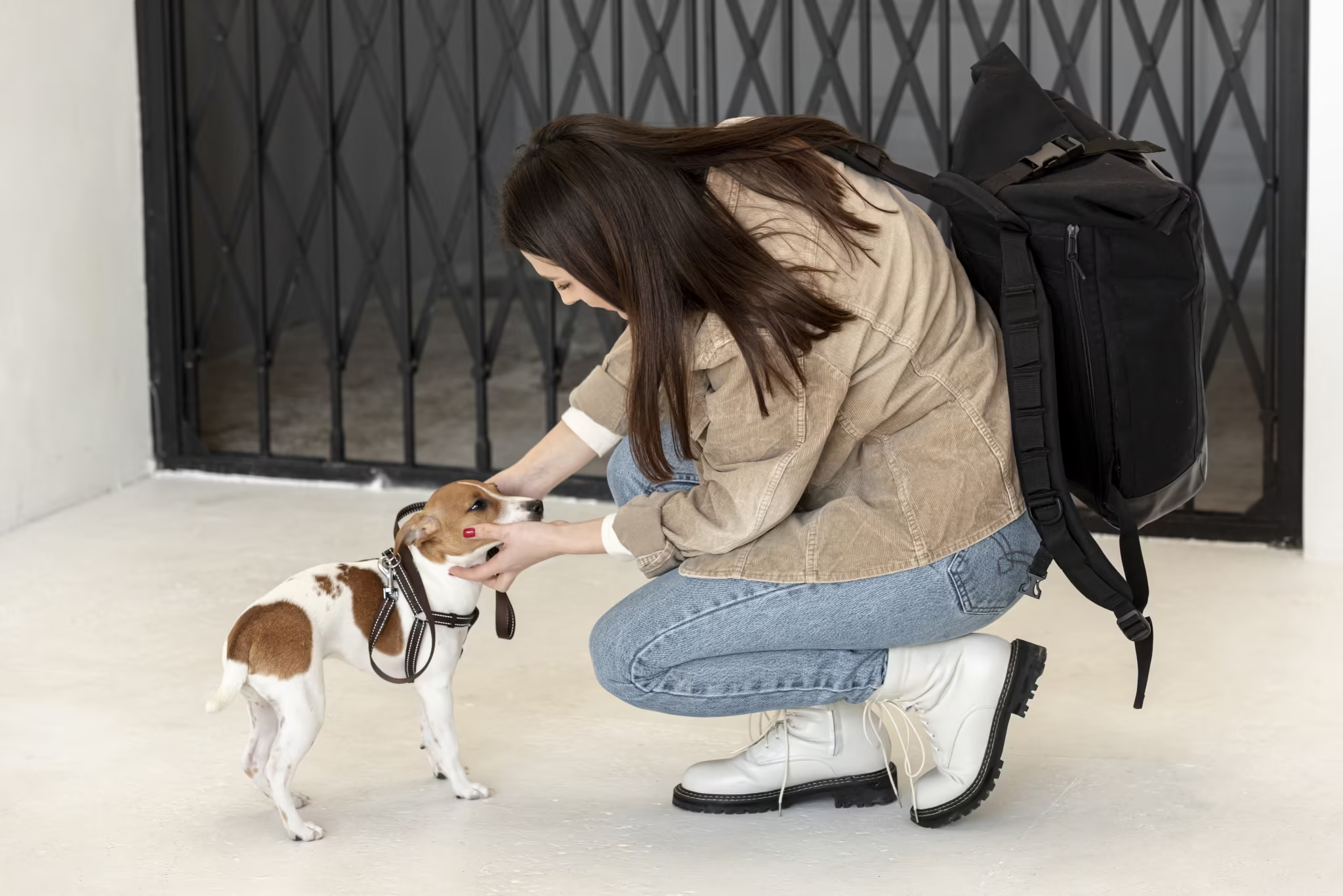
Your dog learns that departure cues (grabbing keys, putting on shoes, picking up bags) don’t predict abandonment—they’re just normal routines. Through systematic desensitization, anxiety-triggering signals become neutral, preventing panic before you even leave. Essential for dogs who start pacing or whining the moment you reach for your coat.
Independent Settling & Relaxation
Choosing calm behaviors when left alone
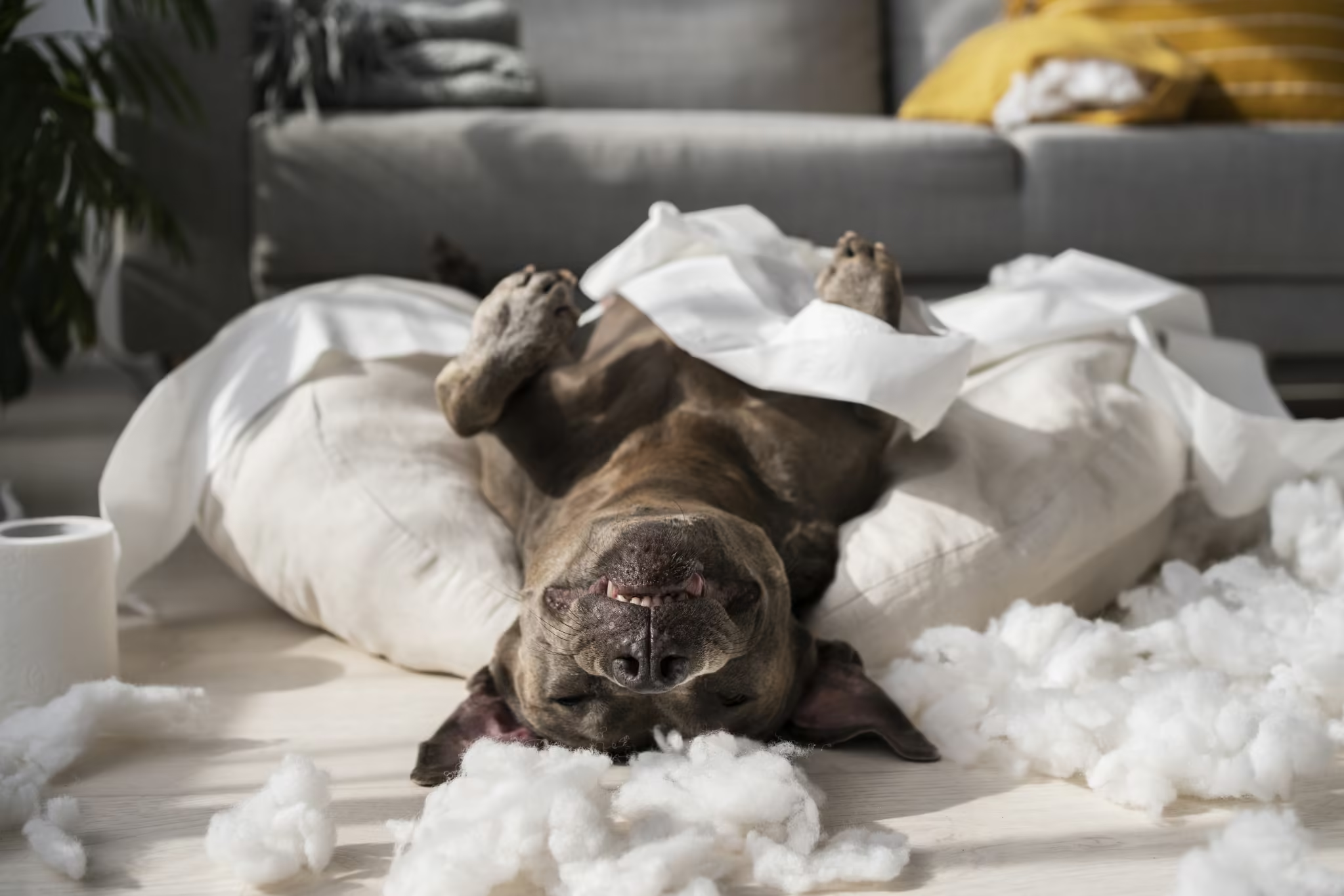
Your dog develops the ability to settle independently—lying down, resting calmly, or engaging with safe toys—instead of pacing, barking, or destructive panic. This foundation skill teaches that solitude is boring and safe, not terrifying. Applicable to puppies building confidence and adult rescues relearning trust.
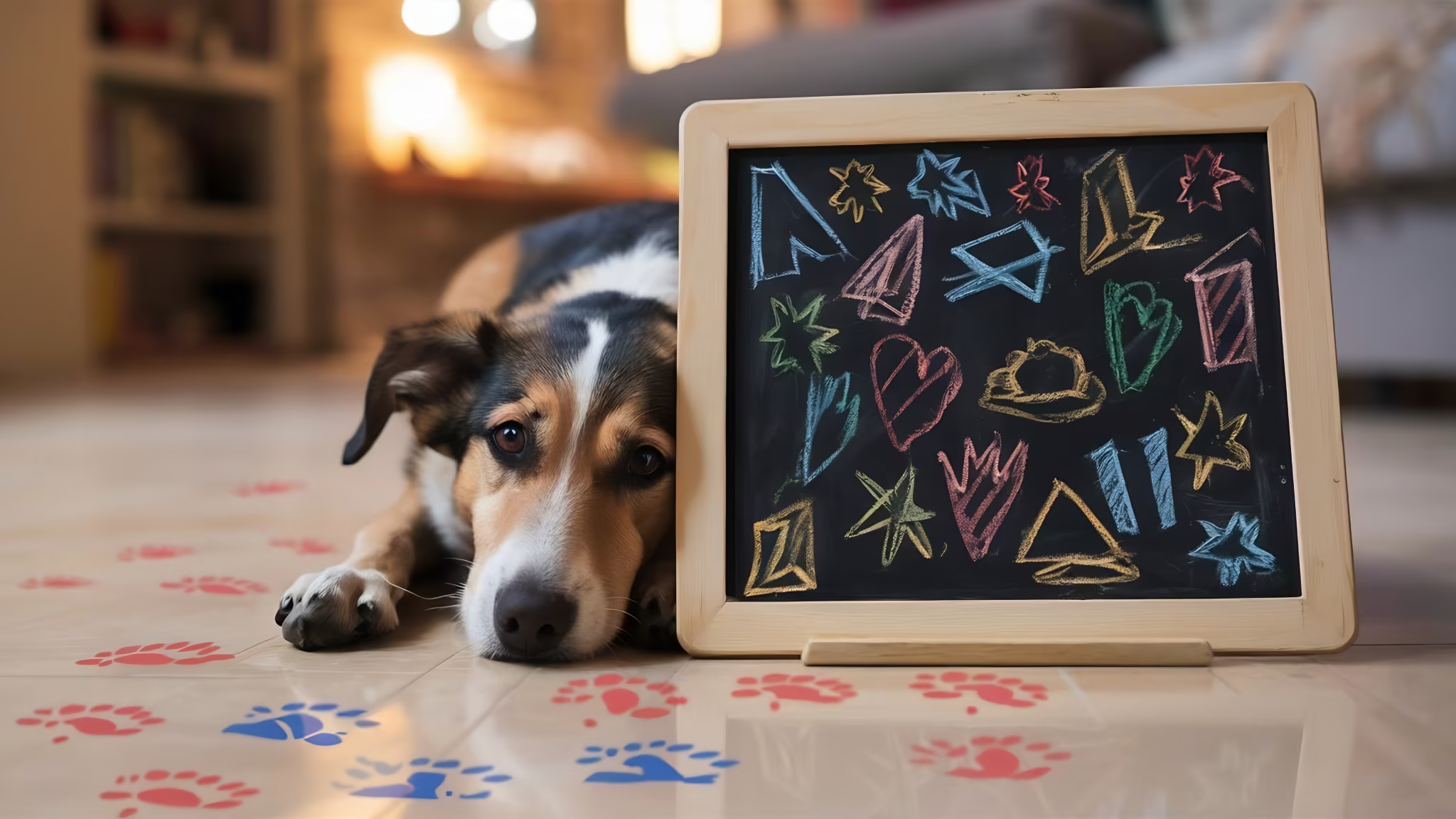
Duration Tolerance Building
Gradually increasing alone time without distress
Through carefully paced graduated exposure, your dog’s tolerance expands from 30 seconds to multiple hours without triggering panic. We never push past their current threshold—building confidence systematically prevents regression. Critical for dogs returning from failed “tough it out” attempts that worsened anxiety.
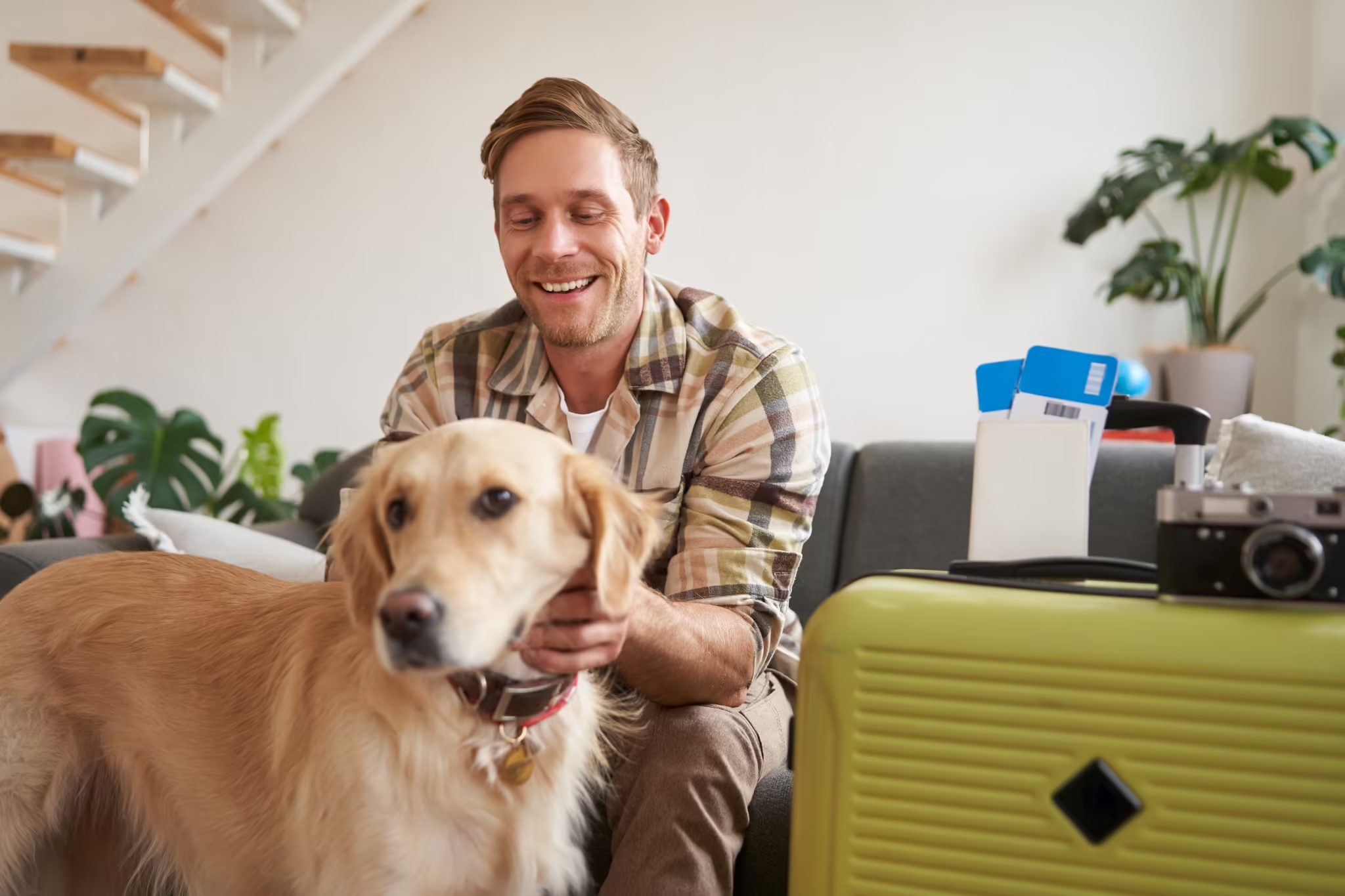
Departure Routine Desensitization
Neutralizing anxiety triggers in your leaving process
Your dog learns that your entire departure sequence—door routines, saying goodbye, locking up—no longer predicts distress. We systematically desensitize each element of your leaving ritual, replacing panic associations with calm acceptance. Transforms the most anxiety-provoking moments into non-events.
Calm Arrival Protocol
Greeting you without overwhelming excitement or relief
Your dog learns to greet your return calmly—not with frantic, over-the-top relief that reinforces separation distress. Balanced arrivals teach that departures are routine and predictable, not traumatic events requiring intense emotional reunion. Reduces the anxiety-excitement cycle that perpetuates panic.
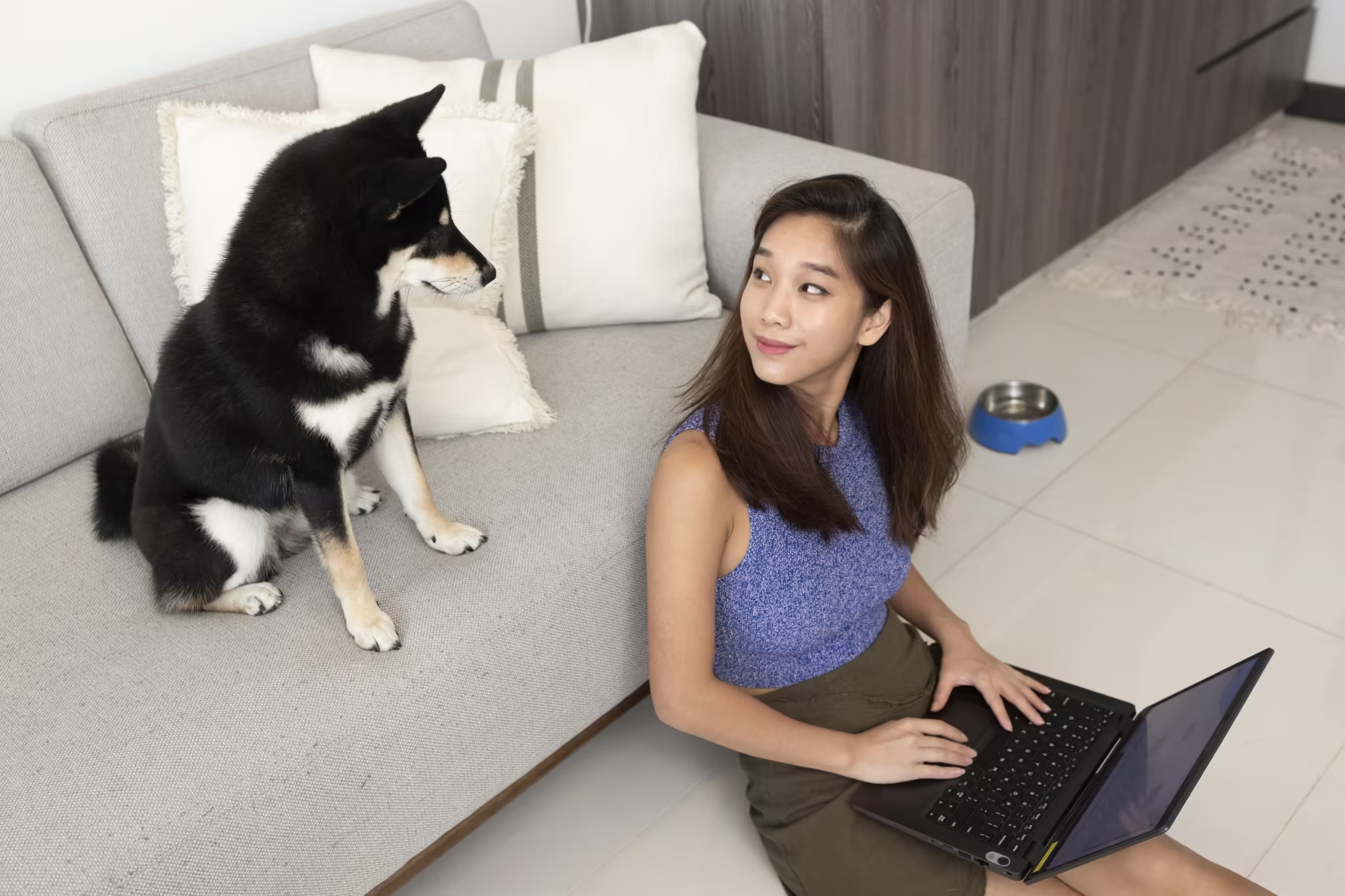
Safe Space Confidence Development
Finding comfort in designated calm zones
Your dog develops positive associations with their safe space (crate, room, or designated area)—viewing it as a refuge, not confinement. This skill creates a predictable, comfortable environment during alone time, reducing panic and providing emotional security. Particularly important for dogs with confinement anxiety histories.
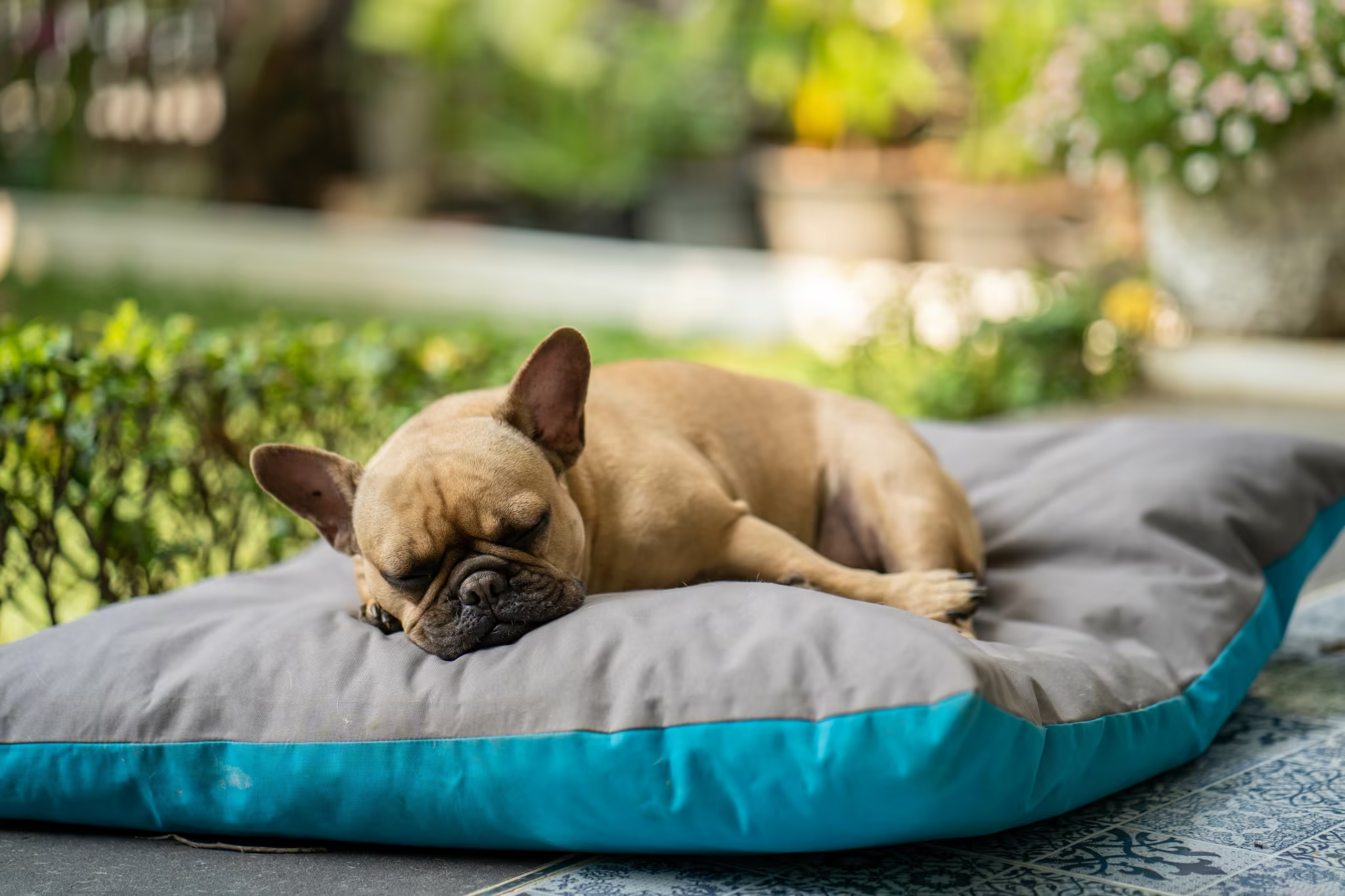
Stress Threshold Self-Regulation
Recognizing and managing arousal before panic escalates
Your dog learns to recognize early stress signals and engage in self-soothing behaviors before anxiety spirals into destructive panic. This emotional regulation skill prevents the escalation from mild distress to full-blown separation crisis. Essential for dogs prone to rapid anxiety escalation.
Variable Schedule Adaptation
Handling unpredictable departures and routine changes
Your dog learns that your comings and goings aren’t always predictable—and that’s okay. Variable schedule training prevents anxiety from returning when routines change (new job, travel, life transitions). Builds resilient confidence that withstands real-world unpredictability, not just practiced scenarios.

Take our 3-minute survey
so we can tailor your consultation
Pre-Departure Calm Recognition
Staying relaxed when departure cues appear
Your dog learns to stay relaxed during departure cues like grabbing keys or putting on shoes — a critical step in separation anxiety training to prevent panic before it starts.
Independent Settling & Relaxation
Choosing calm behaviors when left alone
Your dog learns to stay relaxed during departure cues like grabbing keys or putting on shoes — a critical step in separation anxiety training to prevent panic before it starts.
Duration Tolerance Building
Gradually increasing alone time without distress
We teach your dog how to relax independently when left alone, replacing pacing, barking, or destructive behavior with calm, settled routines.
Departure Routine Desensitization
Neutralizing anxiety triggers in your leaving process
Your dog gradually builds tolerance to being alone without stress — a core part of separation anxiety dog training that prevents regression.
Calm Arrival Protocol
Greeting you without overwhelming excitement or relief
We desensitize your dog to your leaving routine so departures no longer trigger anxiety or panic behaviors.
Stress Threshold Self-Regulation
Recognizing and managing arousal before panic escalates
We build positive associations with your dog’s safe space (crate or designated area), supporting calm behavior during alone time.
Variable Schedule Adaptation
Handling unpredictable departures and routine changes
Your dog learns to recognize and regulate stress early, preventing escalation into full separation anxiety episodes.
Take our 3-minute survey
so we can tailor your consultation

Why Marquis Dog Training for Separation Anxiety Dog Training Near You
Our Expertise in Separation Anxiety & Behavior Modification

Certified, experience-backed training
As an AKC Canine Good Citizen Evaluator with advanced behavior modification training, he understands canine anxiety, attachment disorders, and stress responses at expert level.

Trust-first, lifestyle-aligned approach
We use gradual desensitization and counterconditioning protocols supported by veterinary behaviorists and canine anxiety research. No punishment, no flooding (forced exposure), no outdated “dominance” advice.

In-Home Training for Real-Life Results
Separation anxiety happens at home during your actual routines. We train in your environment, addressing your dog’s specific triggers with your departure patterns.
Complimentary 30 min in-home visit
Dog Separation Anxiety Success Stories
Tips to build independence in anxious dogs in Kansas City
Gradual confidence building that reduces panic

Start micro-separations while you’re home
Your dog practices independence with you in another room first. This builds comfort with being alone in safe doses. Gradually work up from 30 seconds to minutes before ever attempting full alone time.

Desensitize pre-departure rituals
Getting keys, putting on shoes, grabbing bags—these often trigger anxiety because they predict departure. Sometimes put shoes on and stay home. Practice the ritual without leaving so it stops predicting absence and panic.

Create a safe space, not a prison
Whether crate, room, or designated area, your dog’s space should feel safe and comfortable. Use puzzle toys, long-lasting chews, and calming music. Make being alone associated with good things, not panic.
Ready to rebuild confidence?
Complimentary 30 min in-home visit




AI Summary
The reviews for the training service highlight a number of strengths, particularly the effectiveness of the training methods and the positive transfor…
Powered by Marquis Dog Training
What you’ll see in
week one

Calm Settling While Alone
Your dog settles peacefully when you leave instead of panicking. Where chaos once happened, calm now occurs. You leave without guilt because your dog is genuinely calm, not just resigned.
Reduced Destructive Behavior
Destruction driven by anxiety disappears as your dog’s panic decreases. They’re not trying to escape or channeling anxiety into destruction anymore. Your home remains intact.
Neighbor Relationship Restoration
Your dog’s stress-barking decreases. Neighbors stop complaining. Your relationship with surrounding people improves alongside your dog’s mental state. Peace returns.
Life Freedom Restored
You can work, run errands, and live your life without guilt or rushing home. Your schedule isn’t controlled by your dog’s anxiety anymore. You both get your lives back.

Benny S.
Founder
We come to you across Kansas City Metro cities
Frequently asked questions for our dog trainers about separation anxiety
Will medication help my dog’s separation anxiety faster?
Medication can be helpful for severe cases – reducing baseline anxiety enough for training to work – but it’s not a substitute for behavior modification. We work collaboratively with your veterinarian if medication is recommended. Most mild-to-moderate cases respond to training alone. Severe panic disorder often benefits from a combination approach: medication stabilizes anxiety while desensitization builds confidence. We’ll assess during your consultation and recommend veterinary consultation if needed.
Can you guarantee my dog will stay calm alone after training?
We guarantee effort, expertise, and a proven protocol – not specific timelines, because every dog’s anxiety severity and learning speed varies. That said, 90% of clients see dramatic reduction in distress behaviors within 6-8 weeks when protocols are followed consistently. If progress stalls, we troubleshoot together. Success requires your commitment to practicing graduated absences—we provide the roadmap, you provide the consistency.
What if my dog’s anxiety returns after training ends?
Regression can happen during major life changes (moves, schedule shifts, new family members) but is preventable with maintenance protocols. We provide ongoing email support for troubleshooting and offer discounted refresher sessions if anxiety resurfaces. Most families maintain results long-term because we teach you the desensitization process – you’re equipped to address setbacks independently.
How much does separation anxiety training cost?
Separation anxiety is addressed through Freedom, a flat $3,899 regardless of severity. Your free assessment confirms fit and next steps.
Do you work with dogs on behavioral medication for anxiety?
Absolutely. We collaborate with veterinarians and veterinary behaviorists when medication is part of your dog’s treatment plan. Medication addresses brain chemistry; training addresses learned behaviors and confidence. Together, they’re often most effective for severe cases. We adjust protocols based on your dog’s medication response and communicate progress with your vet as needed.
Is separation anxiety training right for my dog’s severity level?
Yes. Whether your dog shows mild distress (whining, pacing) or severe panic (destruction, self-injury, elimination), our approach scales to their anxiety level. Mild cases respond in 4-6 weeks; severe cases may take 8-12+ weeks depending on history and consistency. We’ll assess severity during your free consultation and create a realistic timeline.
How long does it take to train dogs to stay home alone calmly?
Most dogs show noticeable improvement within 2-3 weeks of consistent desensitization practice. Full independence (4+ hours alone calmly) typically takes 6-8 weeks for moderate anxiety, 10-14 weeks for severe cases. Your timeline depends on your dog’s baseline anxiety, your consistency with graduated exposure practice, and how strictly we follow the desensitization protocol without rushing.
What if my work schedule doesn’t allow for gradual practice?
We design protocols around your reality. If you must work full-time immediately, we incorporate daycare, dog walkers, or neighbor support during early training while building tolerance on weekends and evenings. Progress is slower but still achievable. The key is never leaving your dog alone longer than their current tolerance threshold—this prevents regression and builds confidence systematically.
What should you do if you need help with an anxious or separation-anxious dog?
Support for Anxious or Separation-Anxious Dogs
If your dog seems unsettled, stressed, or struggles when left alone, you’re definitely not alone—many pet owners face similar challenges. The good news? There are practical steps you can take right now.
- Consult a Professional: Reach out to us. Our certified dog trainer’s and behaviorist have experience addressing canine anxiety. We are members of the Association of Professional Dog Trainers and the International Association of Animal Behavior Consultants.
- Book an Assessment: We offer initial consultations and assesments—in person—to assess your dog’s unique needs.
- Ask Questions: Don’t hesitate to ask about our anxiety management experience and whether w use positive, science-based methods.
- Act Early: The sooner you address anxious behaviors, the sooner you (and your dog) can regain peace of mind.
Support is just a call or click away, and early intervention can make a world of difference for your furry friend.
How can dog owners handle or manage separation anxiety in their pets?
How to Support Your Dog Through Separation Anxiety
When it comes to easing a dog’s separation anxiety, a calm and steady approach is your best friend—next to your actual best friend, of course.
Set the Example with Calm Leadership
Dogs are experts at picking up on our routines, moods, and even those Monday morning blues. Consistency is key. If you greet departures or arrivals with drama, chances are your dog will mirror those emotions. Show them, through quiet confidence and predictability, that alone time is nothing to worry about.
Cover the Basics—And Then Some
Before considering fancy gadgets or canine podcasts, make sure all fundamental needs are met:
- Nutritious food (no, not just the crusts of your toast)
- Fresh water and a safe space
- Daily exercise (a brisk walk or quick game of fetch goes far)
- Mental stimulation (think puzzle toys by Kong, stuffed snuffle mats, or a classic game of hide and seek)
A tired, content dog is less likely to fret when you step out for a while.
Practice Short Separations
Start small. Step into another room or head out to collect the mail, gradually increasing your time away. If your dog stays relaxed, offer a calm word or gentle pat—nothing Oscar-worthy. This teaches your dog that departures and reunions don’t require fanfare.
Mix Up Your Departure Routine
Our furry companions quickly catch on to “leaving cues” like jingling keys or zipping up that ancient Patagonia fleece. Disguise your departures by grabbing your keys at odd times or putting on shoes with zero intentions of leaving. Eventually, your dog will realize these signals aren’t always a big deal.
Reward Calm Behavior
When you come home, hold off on the confetti. Ignore any over-the-top greetings, and wait until your dog settles before acknowledging them. This reinforces that returning home is as regular as water in the bowl.
Controlled Training Sessions
If anxiety runs deep, staged exercises can help. Set aside time for practice departures so your dog learns the ropes in a controlled, low-pressure way. If things get hairy, bringing in a qualified trainer—like one certified with the International Association of Canine Professionals—never hurts.
Keep Consistency Front and Center
No magical shortcuts here. Dogs thrive on patterns and clarity. Be patient, stick to the plan, and you’ll see progress. And if in doubt, consult your veterinarian or local trainer for tailored support.
What is separation anxiety in dogs and how does it manifest?
How toUnderstanding Separation Anxiety in Dogs
Separation anxiety in dogs is more than the occasional whine when you grab your keys. It’s an ongoing, distressing response that some pups experience when left alone—even for short periods. Just as some people feel uneasy in unfamiliar settings, dogs can become anxious when their favorite human isn’t nearby.
What Triggers It?
There isn’t a single reason why separation anxiety develops. Some dogs might never have learned to be on their own, while others may feel unsettled due to changes in routine, inconsistent leadership, or unclear boundaries at home. Factors such as a change in the household, a new schedule, or a recent adoption can all play a part.
How Does Separation Anxiety Show Up?
Dogs can’t leave sticky notes or send you texts about their feelings, but they have plenty of ways to show their distress:
- Vocalization: Loud, persistent barking, whining, or howling can echo through the house (and sometimes the whole neighborhood) once you’re out the door.
- Destruction: You might come home to chewed door frames, gnawed furniture, or shredded shoes, as anxious dogs often take out their worries with their teeth.
- Accidents Indoors: Even dogs who are otherwise house-trained may urinate or defecate inside simply because they’re too anxious to “hold it.”
- Escape Attempts: Some pups get creative—trying to dig or squeeze their way through doors, crates, or even windows in an attempt to find you.
- Restlessness: Pacing back and forth in the hallway or spinning in circles can be a dog’s way to work off nervous energy.
- Physical Symptoms: Drooling, panting, or trembling might all point to underlying nerves.
- Self-Soothing Behaviors: Excessive licking or chewing (sometimes even creating bald patches) is just one way dogs try to ease their anxiety.
- Clinginess: Dogs with separation anxiety become your shadow, following you from room to room and gluing themselves to your side as you prepare to leave.
Spotting these signs early—and understanding their root—makes it far easier to create a calmer, more secure environment for both you and your pup. Support Your Dog Through Separation Anxiety
Ready for a calmer, happier home?
Let’s start with a complimentary in-home assessment. Please fill out our form so we can understand your dog’s needs and create a custom training plan.
Or call us:

We will help you choose the right program.
Book your assessment
"*" indicates required fields