Dog Training for Biting
for safe, gentle dogs in Kansas City
Transform nipping and mouthing into calm, controlled behavior
Why Dogs Bite and Mouth (And How to Fix It)
The Challenge of Dog Biting and Mouthing
Why Your Dog’s Biting Feels Overwhelming—And Why It Matters
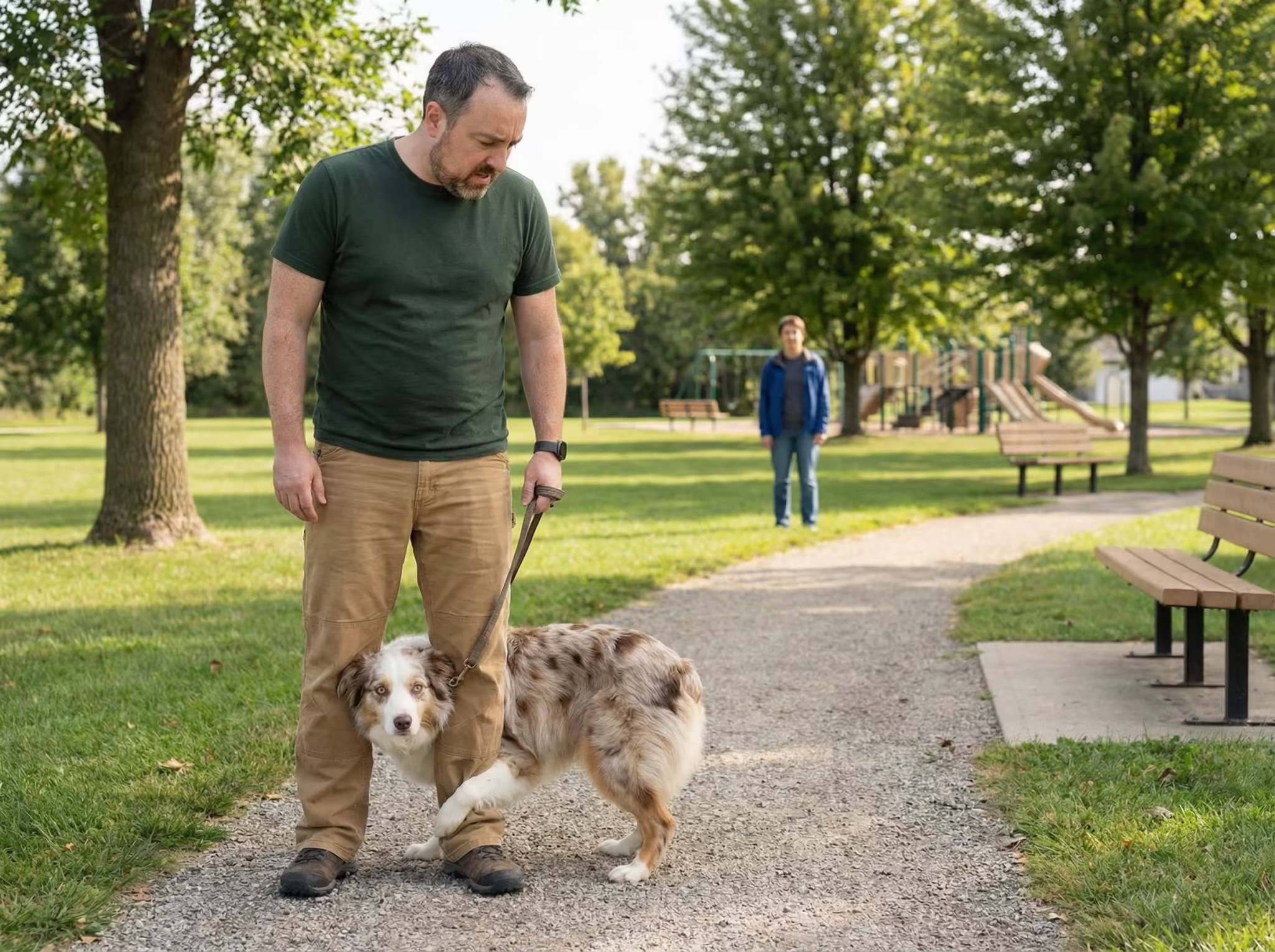
Whether it’s playful puppy nipping that’s getting harder, adolescent mouthing that scares visitors, or aggressive dog behavior training needs for rescue dogs with unknown histories, biting behavior creates genuine stress. You worry about liability, about kids getting hurt, about losing the trust you’re trying to build with your dog.
Without the right dog training, biting behavior can escalate over time. Puppies may not “grow out of it” — they grow into stronger habits that are harder to fix.
Common Biting & Mouthing Challenges:
- Bite Inhibition Training Needs – Your dog never learned “soft mouth” as a puppy, making every interaction feel risky – even during play.
- Stop Dog Biting During Excitement – Greetings, playtime, or overstimulation trigger hard mouthing, nipping, or jumping with teeth involved.
- Aggressive Dog Behavior Training – Fear-based or defensive biting that goes beyond play – this requires specialized behavior modification and safety protocols.
Our Trust-First Solution
How We Stop Biting Without Breaking Trust
Traditional “dominance” methods often escalate biting behavior or damage your relationship with your dog. At Marquis Dog Training, our how to train dog not to bite approach focuses on teaching bite inhibition, impulse control, and appropriate play—addressing why your dog bites, not just punishing the behavior.
We work in your home, where biting happens most, using positive reinforcement and desensitization techniques proven to reduce mouthing incidents within the first two weeks.
Our Approach Includes:
- Root Cause Assessment – Identifying triggers (excitement, fear, overstimulation, resource guarding)
- Bite Inhibition Foundation – Teaching your dog pressure control and “soft mouth” through structured play
- Impulse Control Protocols – Building calm behavior around high-trigger situations (greetings, children, food)
- Family Coaching – Training you to reinforce safe behavior consistently, so progress continues long-term
How Dog Training for Biting Works
How Our Trust-First Method Works
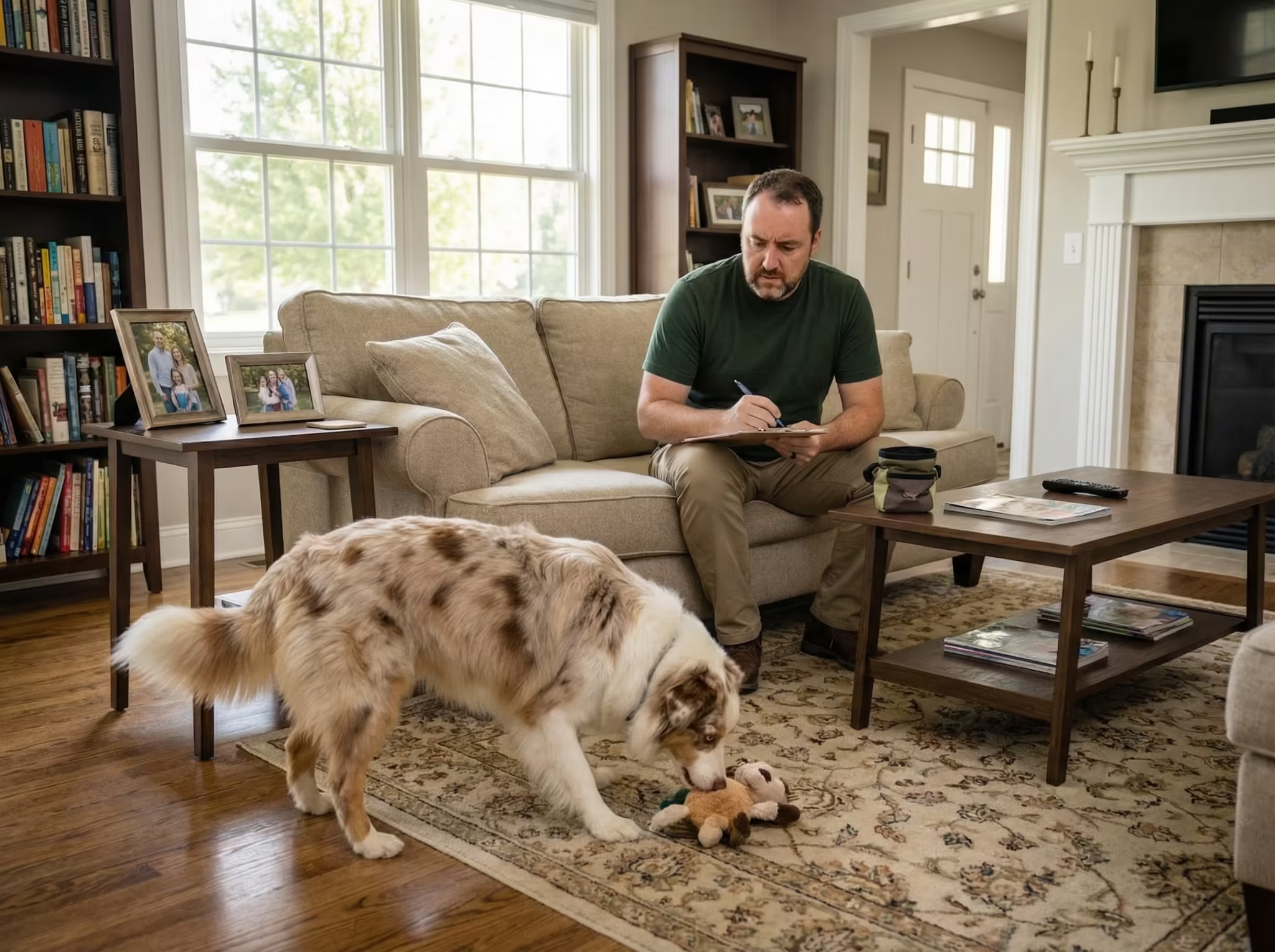
In-Home Assessment
Observe biting triggers in your environment and teach you immediate management tools. Identify if it’s play, fear, or resource.
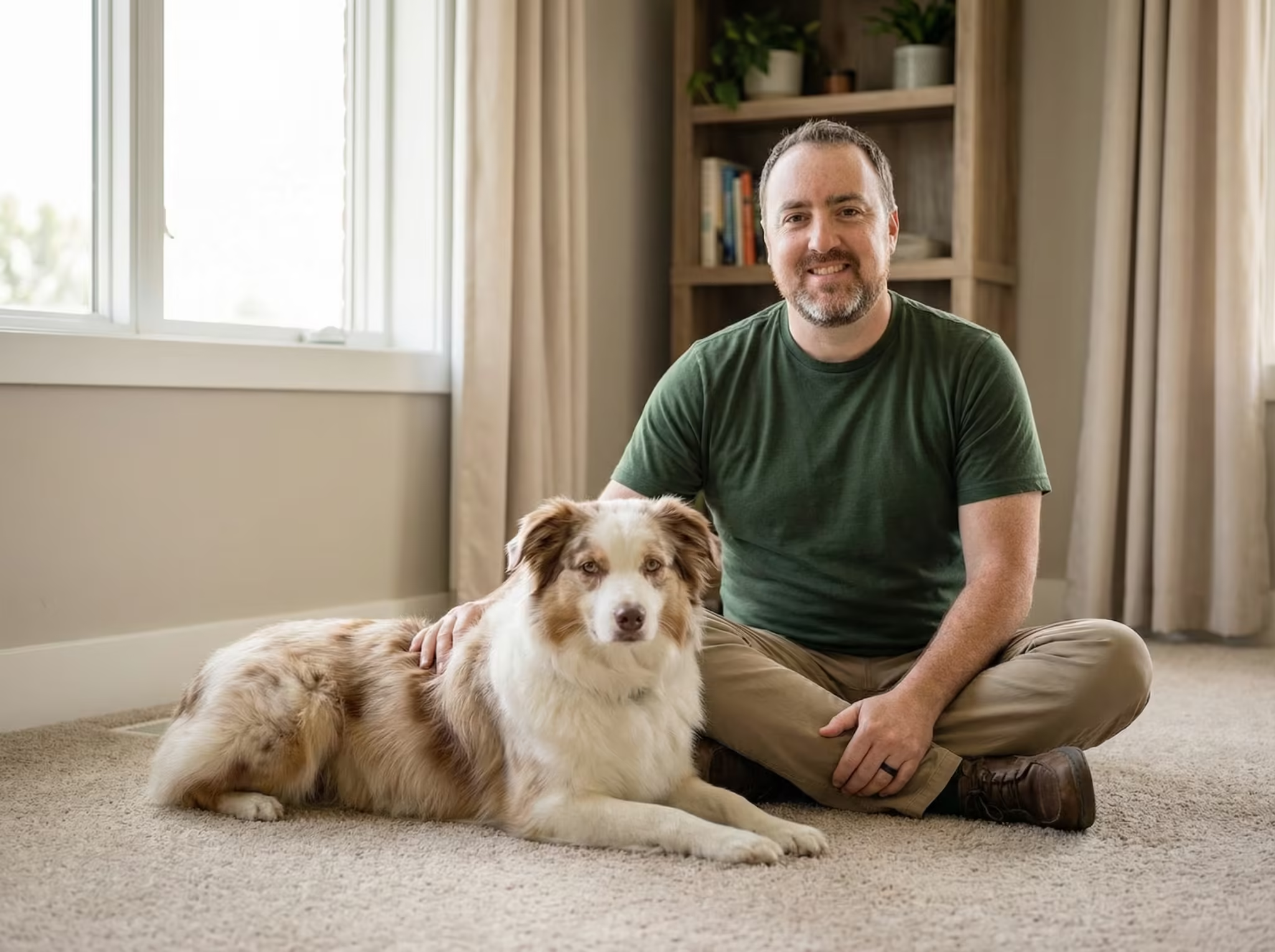
Foundation Skills at Home
Build impulse control with “leave it,” gentle play trades, and settle exercises so your dog learns to pause before mouthing.
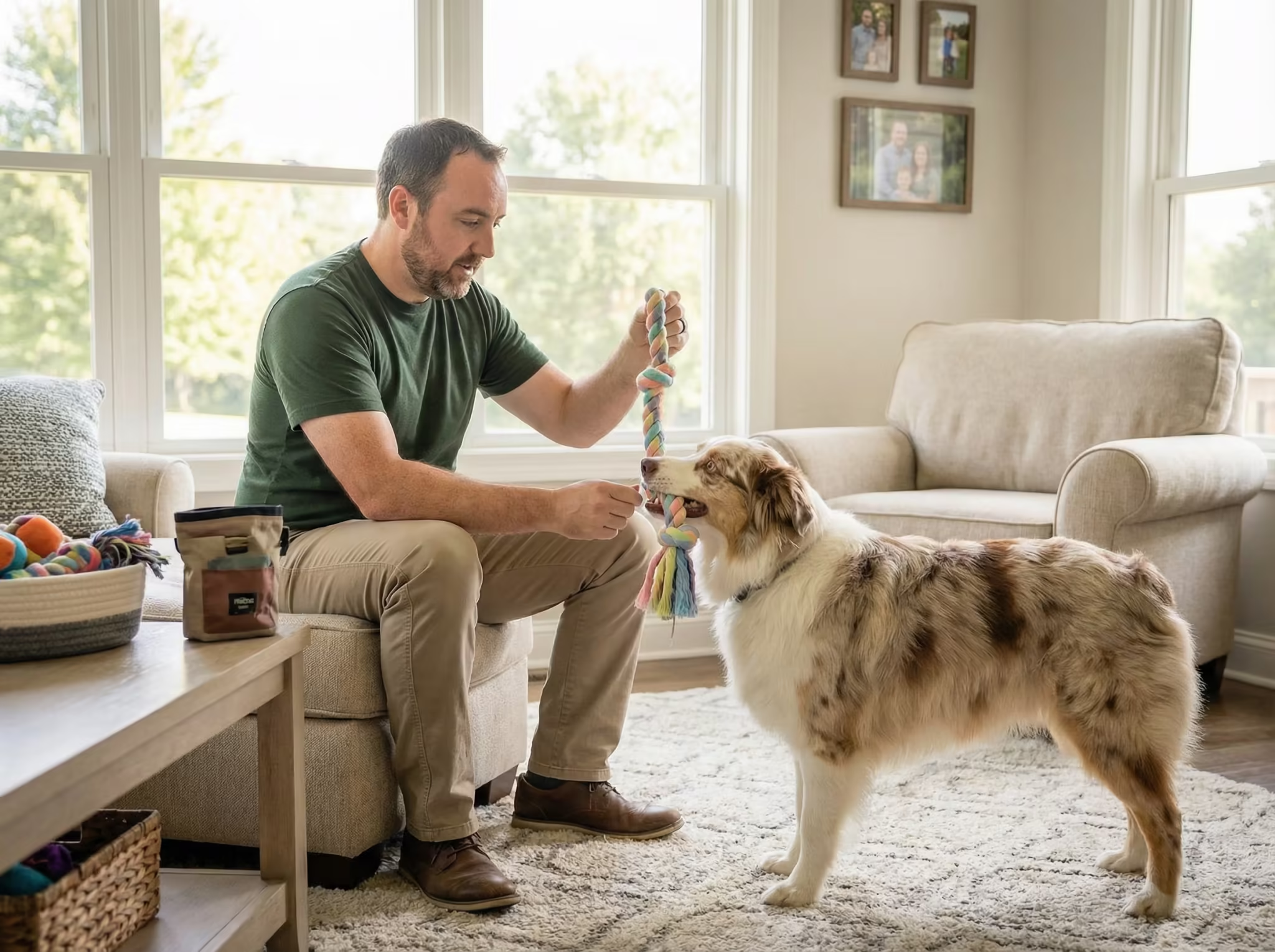
Controlled Exposure Sessions
Practice around real triggers—hands, toys, guests—with bite inhibition training and redirection. Progress to handling and greetings.
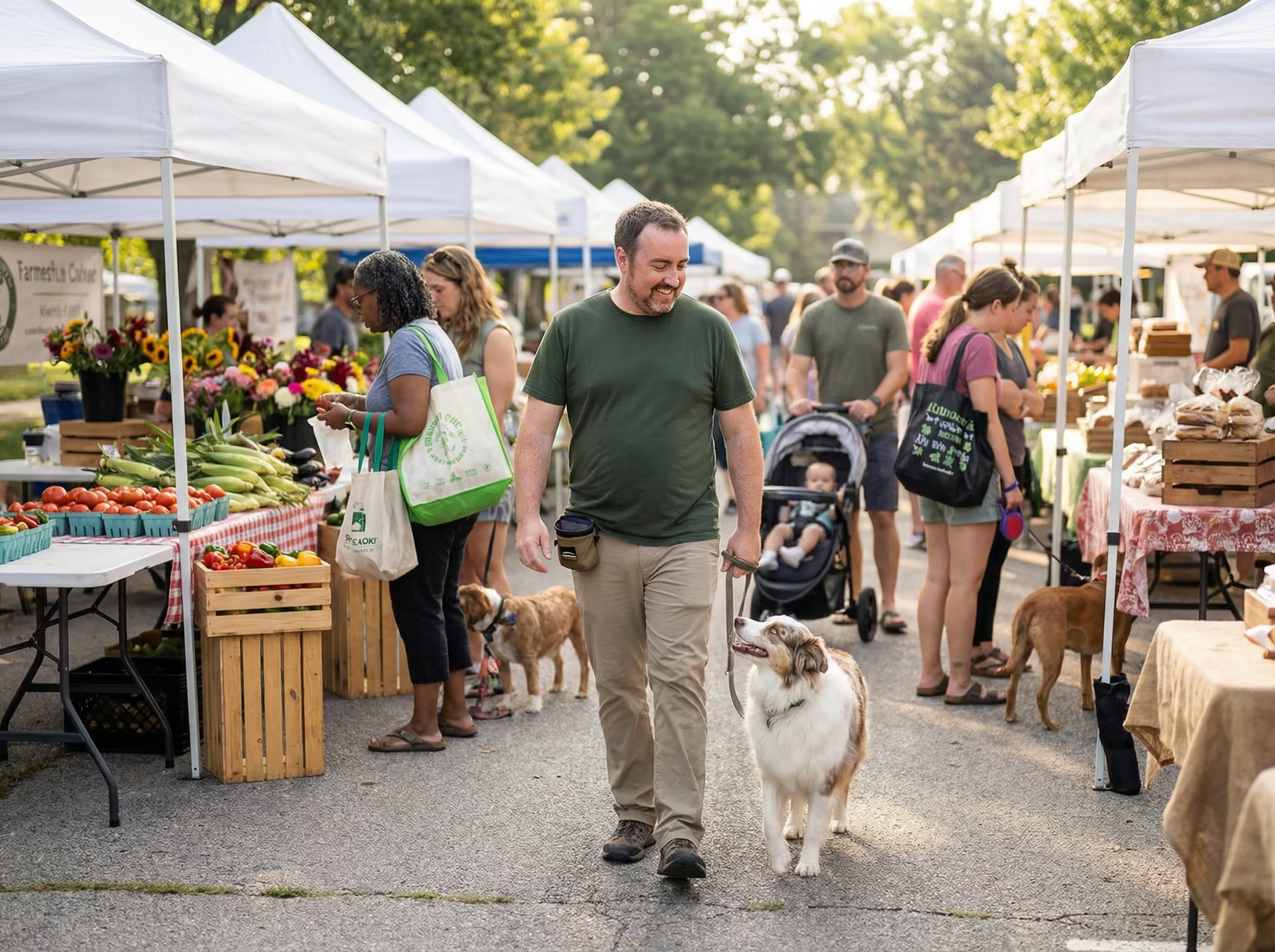
Confidence & Maintenance
Test in Kansas City and surrounding area parks or with visitors. You get a lifelong plan to maintain gentle behavior.
Safe Interactions Families Can Count On
Gentle play and greetings
puppies show softer mouths within 4 weeks through bite inhibition training.

Predictable responses
Dogs learn to pause and look to you instead of snapping, reducing incidents

Family confidence restored
No more tense interactions; safe around kids, visitors, and during excitement.
Complimentary 30 min in-home visit

Key Biting & Mouthing
skills we teach in Kansas City
Your dog learns to control their mouth and redirect their biting drive to appropriate outlets. Dogs can develop healthy bite inhibition at any age—our training prevents biting from escalating into dangerous aggression.
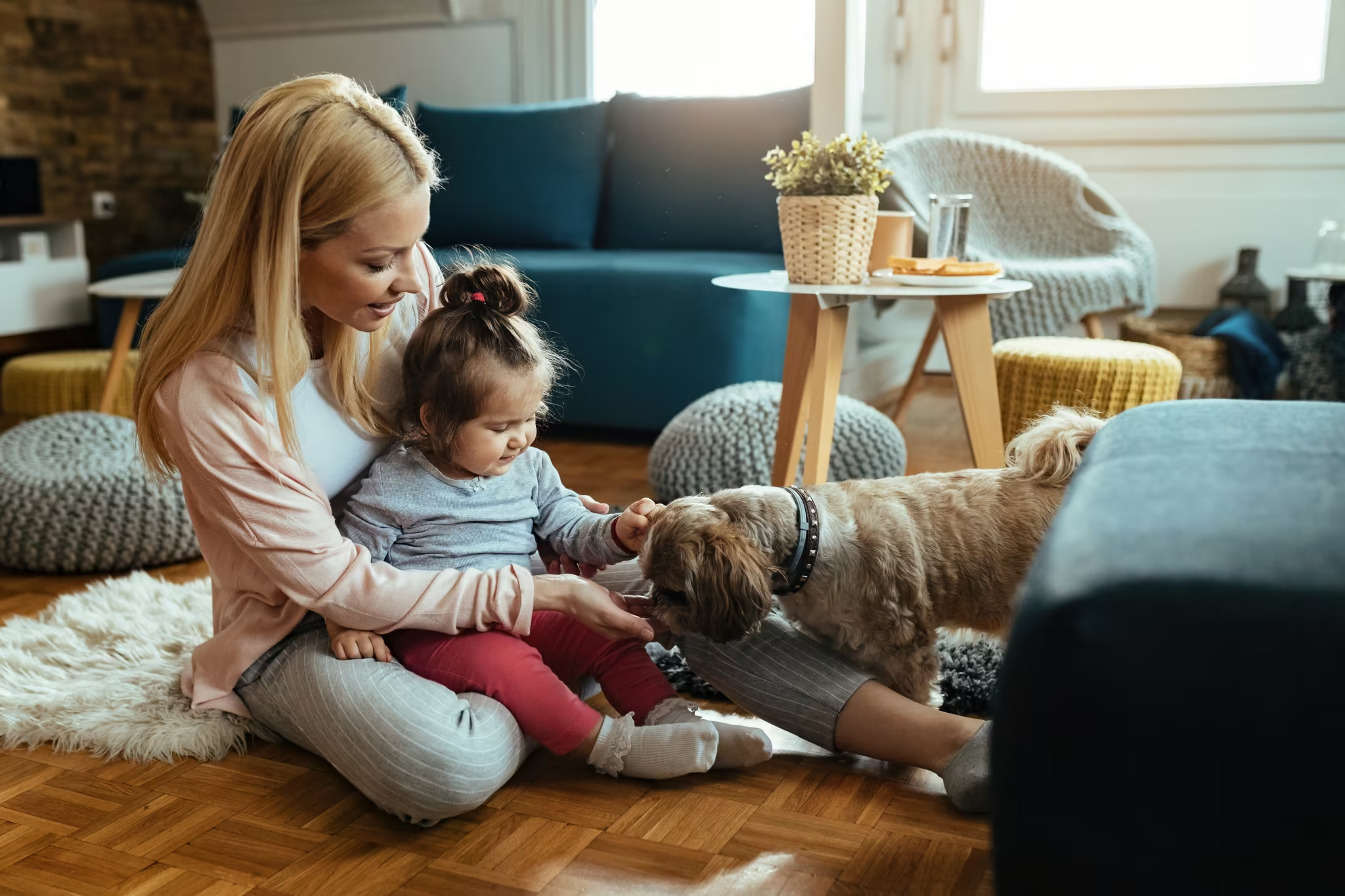
Bite Inhibition Development
Teaching pressure control and soft-mouth communication
Your dog learns to control the force and frequency of their mouthing—understanding that gentle is rewarded and hard bites end interaction immediately. Essential for dogs of all ages, from puppies building foundation skills to adult rescues who never learned appropriate mouth pressure.
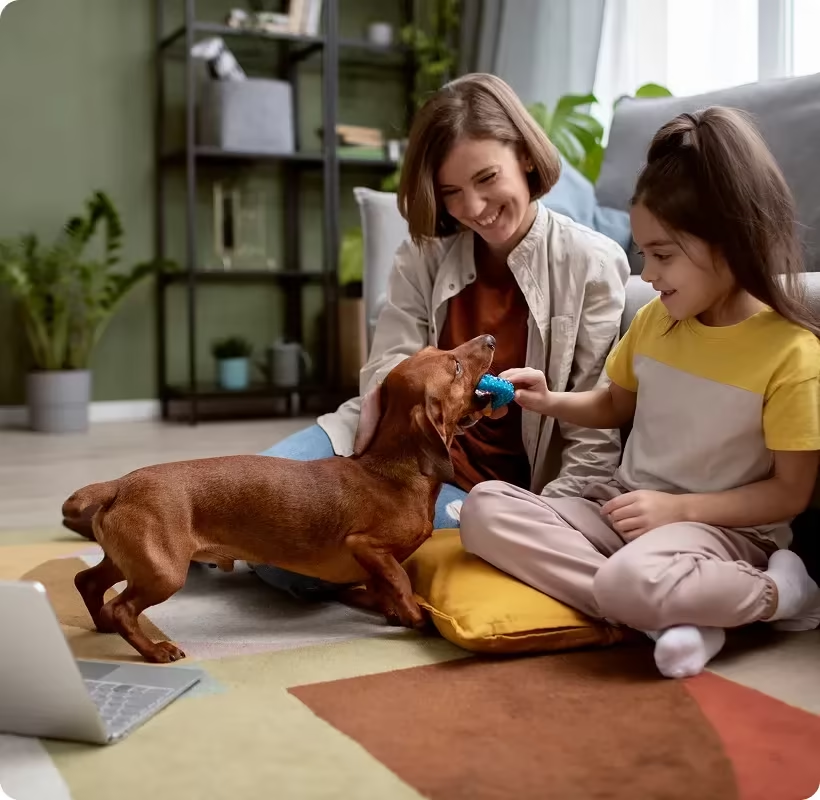
Mouthing Redirection to Toys
Replacing hand/clothing biting with appropriate chew outlets
Your dog learns which items are acceptable to bite (toys, chews) versus off-limits (hands, furniture, belongings). Through consistent redirection training, biting shifts from people-focused to toy-focused—giving your dog a safe outlet for their natural chewing and play drives.
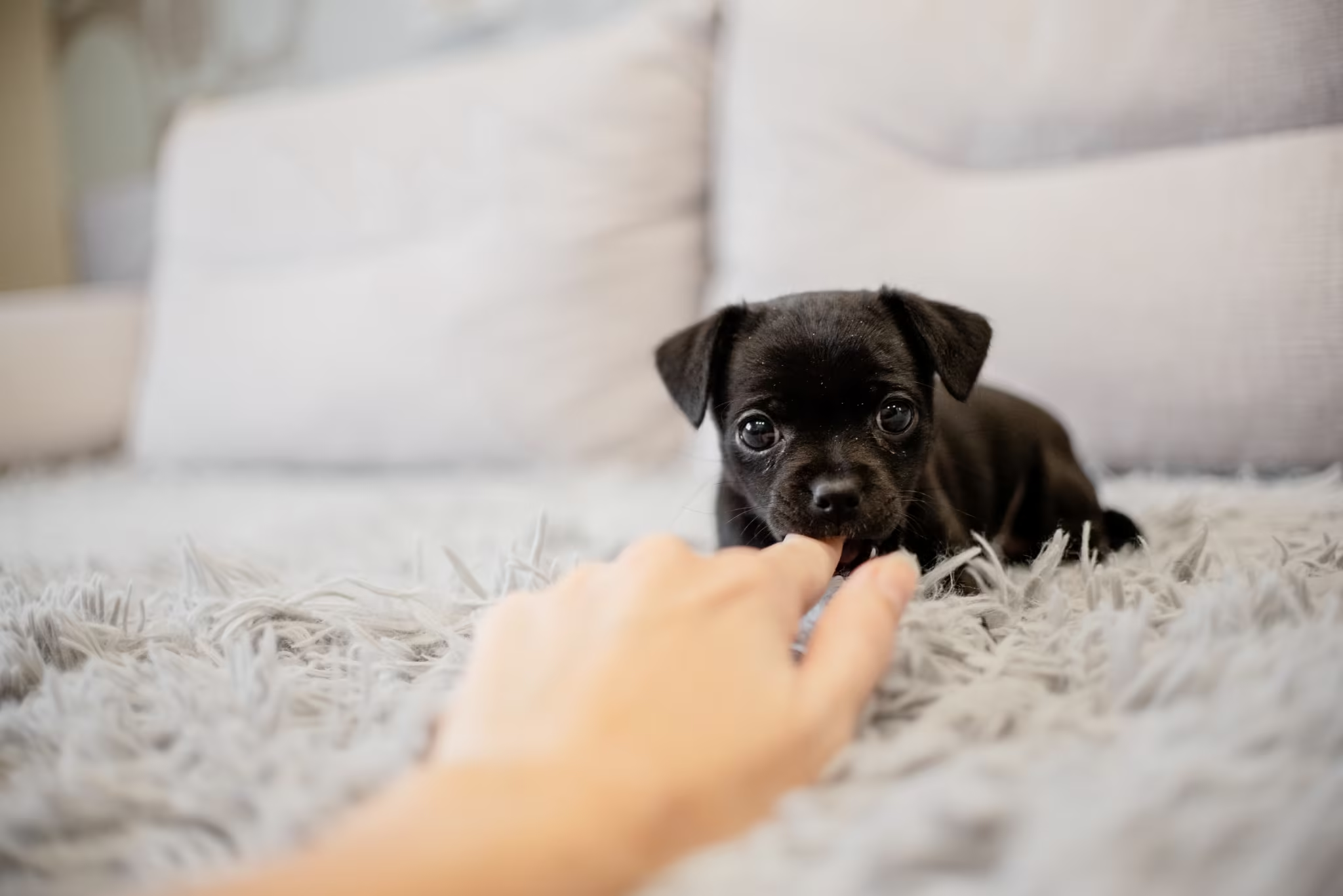
Soft-Mouth Greeting Protocol
Calm, gentle greetings without nipping or grabbing
Teaching your dog how to greet people (including children and elderly guests) with gentle, open-mouth interest instead of nipping or grabbing. This skill transforms stressful arrivals into relaxed welcomes—whether your dog is an excitable adolescent or an overstimulated adult.
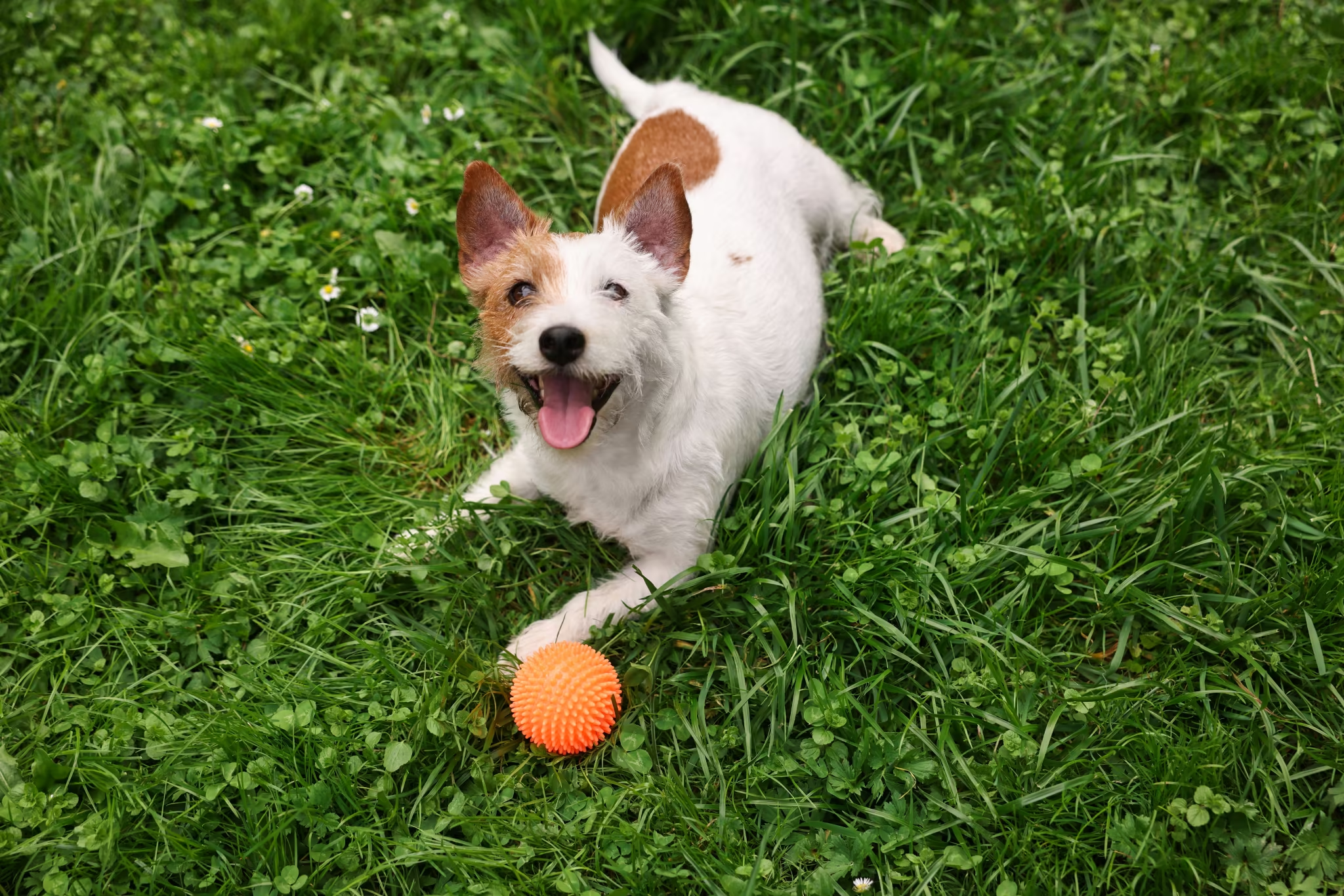
Pulse-Checking During Play
Reading body language to prevent play from escalating
Your dog learns to read human and dog body language to understand when play is becoming too rough and needs to soften. This self-regulation skill prevents play biting from intensifying into aggressive behavior—critical for multi-dog households and families with children.
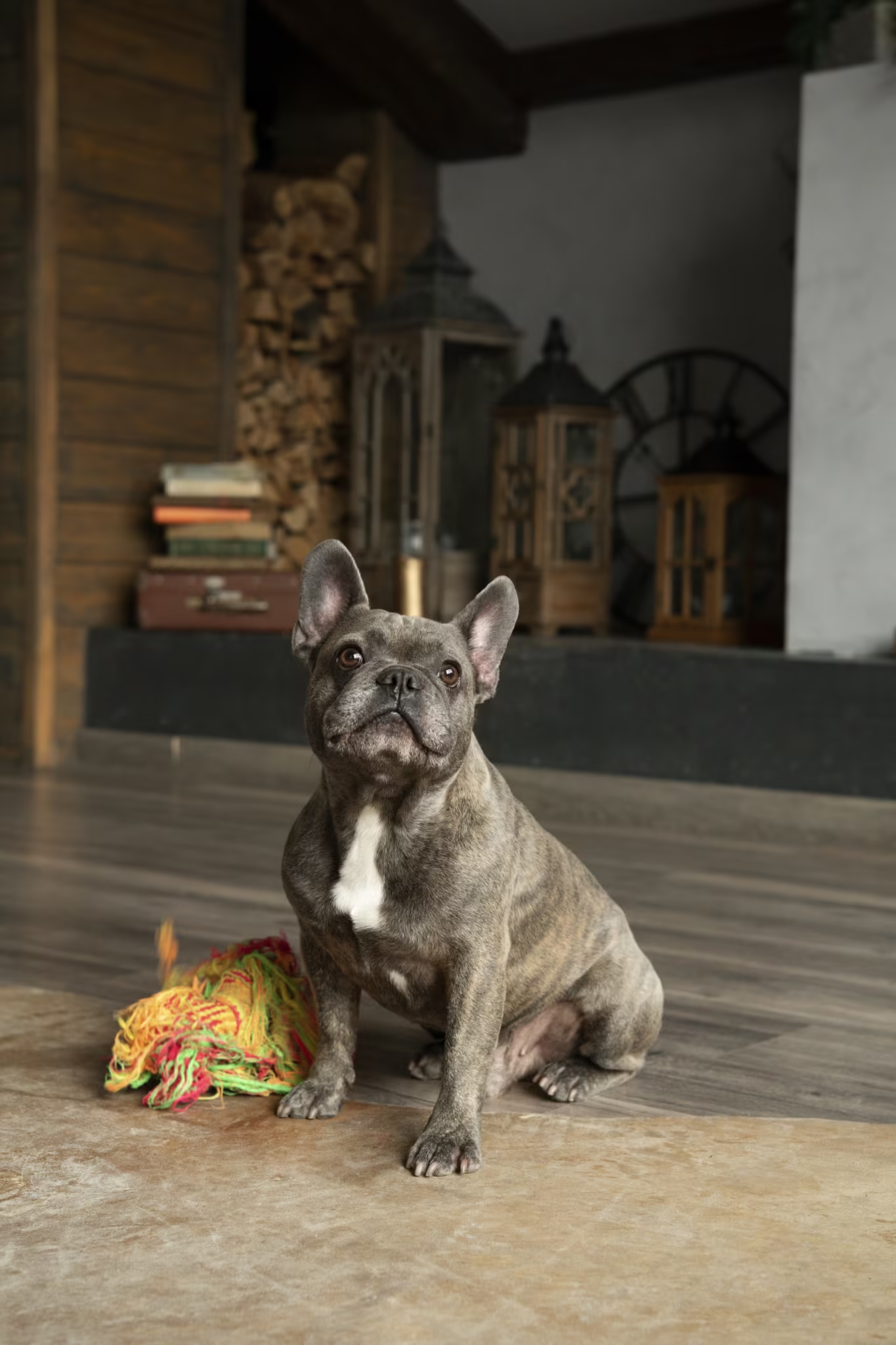
Disengagement from Exciting Stimuli
Taking a breath and resetting instead of biting when overstimulated
When overstimulated (new people, excitement, play escalation), your dog learns to take a breath and reset instead of escalating into harder biting. This prevents the arousal spiral that turns playful mouthing into uncontrolled aggression—essential for reactive or high-energy dogs.

Safe Multi-Dog Interactions
Respecting boundaries and appropriate control around other dogs
In multi-pet households, your dog learns appropriate jaw control around other dogs—respecting their boundaries without fear or aggression. This skill creates harmony at home and safe interactions at dog parks, preventing bite incidents that often stem from resource guarding or poor social communication.
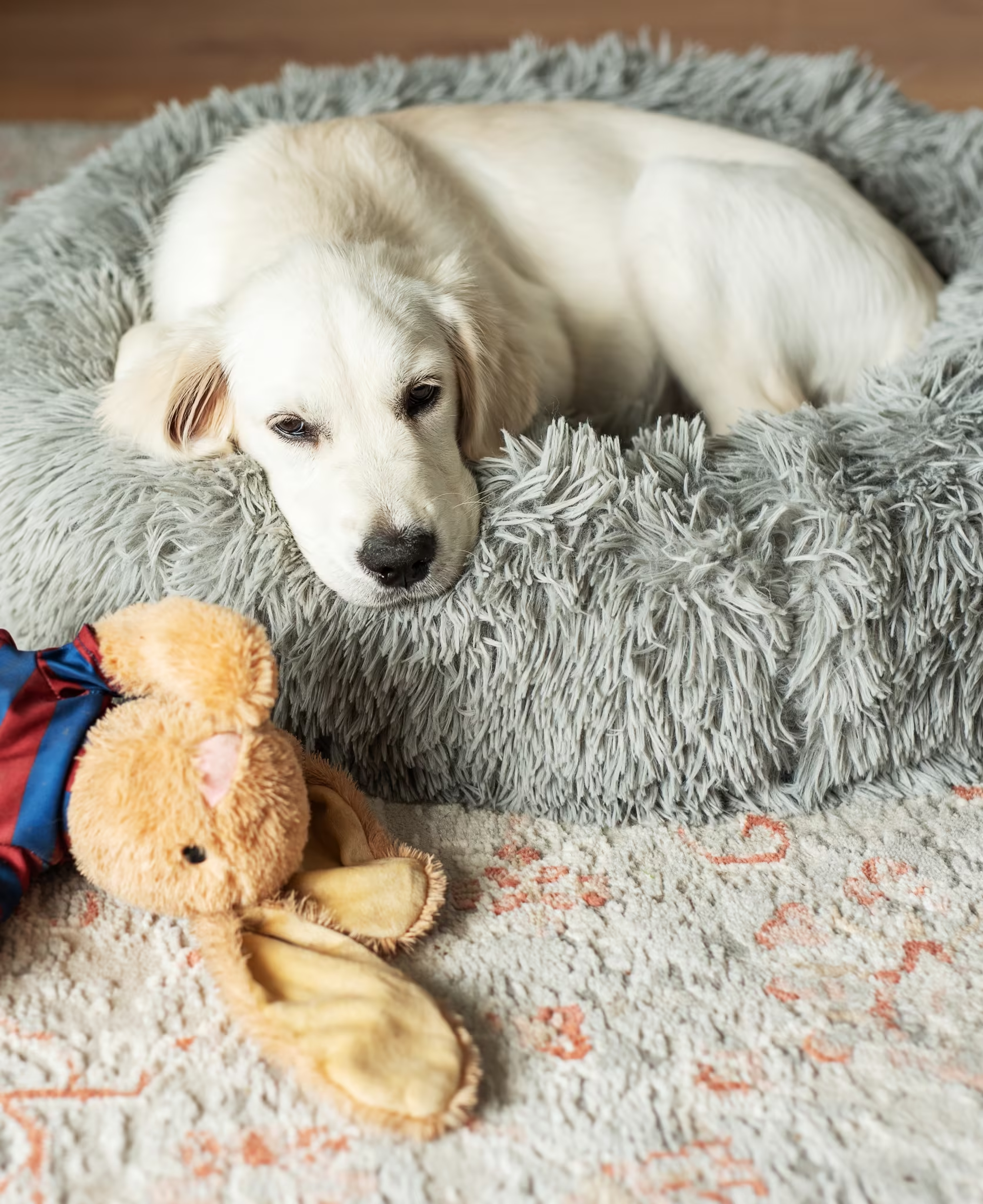
Crate Calm & Self-Soothing
Settling in a safe space for attention or anxiety relief
Your dog learns to settle in a safe space rather than using their mouth for attention-seeking or anxiety outlet. This creates a healthy alternative to stress-biting, particularly important for dogs who bite when anxious, bored, or seeking interaction inappropriately.
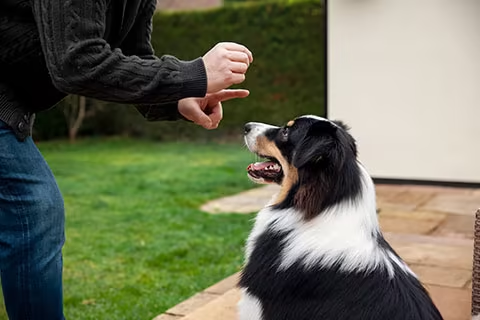
Emergency Redirect Response
Immediate pivot to appropriate activity without correction
When biting begins, your dog learns the redirect signal and immediately pivots to an appropriate toy or activity without correction. This emergency protocol gives you a reliable interrupt for any biting situation—whether play that’s getting too rough, excitement nipping, or fear-based defensive responses.

Take our 3-minute survey
so we can tailor your consultation
Bite Inhibition Development
Teaching pressure control and soft-mouth communication
Your dog learns to control the force and frequency of their mouthing—understanding that gentle is rewarded and hard bites end interaction immediately. Essential for dogs of all ages, from puppies building foundation skills to adult rescues who never learned appropriate mouth pressure.
Mouthing Redirection to Toys
Replacing hand/clothing biting with appropriate chew outlets
Your dog learns which items are acceptable to bite (toys, chews) versus off-limits (hands, furniture, belongings). Through consistent redirection training, biting shifts from people-focused to toy-focused—giving your dog a safe outlet for their natural chewing and play drives..
Soft-Mouth Greeting Protocol
Calm, gentle greetings without nipping or grabbing
Teaching your dog how to greet people (including children and elderly guests) with gentle, open-mouth interest instead of nipping or grabbing. This skill transforms stressful arrivals into relaxed welcomes—whether your dog is an excitable adolescent or an overstimulated adult.
Pulse-Checking During Play
Reading body language to prevent play from escalating
Your dog learns to read human and dog body language to understand when play is becoming too rough and needs to soften. This self-regulation skill prevents play biting from intensifying into aggressive behavior—critical for multi-dog households and families with children.
Disengagement from Exciting Stimuli
Taking a breath and resetting instead of biting when overstimulated
When overstimulated (new people, excitement, play escalation), your dog learns to take a breath and reset instead of escalating into harder biting. This prevents the arousal spiral that turns playful mouthing into uncontrolled aggression—essential for reactive or high-energy dogs.
Safe Multi-Dog Interactions
Respecting boundaries and appropriate control around other dogs
In multi-pet households, your dog learns appropriate jaw control around other dogs—respecting their boundaries without fear or aggression. This skill creates harmony at home and safe interactions at dog parks, preventing bite incidents that often stem from resource guarding or poor social communication.
Crate Calm & Self-Soothing
Settling in a safe space for attention or anxiety relief
Your dog learns to settle in a safe space rather than using their mouth for attention-seeking or anxiety outlet. This creates a healthy alternative to stress-biting, particularly important for dogs who bite when anxious, bored, or seeking interaction inappropriately.
Emergency Redirect Response
Immediate pivot to appropriate activity without correction
When biting begins, your dog learns the redirect signal and immediately pivots to an appropriate toy or activity without correction. This emergency protocol gives you a reliable interrupt for any biting situation—whether play that’s getting too rough, excitement nipping, or fear-based defensive responses.
Take our 3-minute survey
so we can tailor your consultation

Why Choose Marquis Dog Training
Our Expertise in Bite Inhibition & Behavior Modification

AKC-certified
Specialized in biting, mouthing, and aggressive behavior. As an AKC Canine Good Citizen Evaluator, we understand canine development, fear responses, and impulse control at expert level—bringing proven methods tailored to your dog’s specific triggers.

Trust-first methods
Our approach combines positive reinforcement, desensitization protocols, and impulse control training supported by canine behavior science. Dogs learn faster and retain training longer when trust—not fear—is the foundation.

In-Home Training for Real-Life Results
Biting happens at home, during greetings, playtime, and daily routines. We train in your environment, addressing your dog’s actual triggers with your family involved. This ensures behavior change transfers to real life—not just a training facility your dog never visits again.
Complimentary 30 min in-home visit
Success stories
Tips to Manage Dog Biting & Mouthing in Kansas City
Practical strategies to reduce biting incidents while you train

Recognize Your Dog’s Biting Triggers Early
Track when, where, and what happens right before each biting incident for 3-5 days. Patterns reveal whether your dog needs impulse control work, desensitization, or management strategies during training.

Create “Calm Zones” Before Biting Happens
Designate a calm space (crate, mat, quiet room) where your dog goes when play gets too rough or overstimulation begins. This gives you a reliable reset button—preventing biting instead of only reacting after it happens.

Use KC’s Dog-Friendly Spaces for Controlled Exposure
Practice bite inhibition at Loose Park (off-peak hours) or Shawnee Mission Park trails instead of crowded dog parks. Calm, controlled exposure builds soft-mouth skills better than chaotic, overstimulating environments.
Ready to Stop Biting Behavior for Good?
Complimentary 30 min in-home visit




AI Summary
The reviews for the training service highlight a number of strengths, particularly the effectiveness of the training methods and the positive transfor…
Powered by Marquis Dog Training

Our promise is to treat
every dog like our own
“Using Trust-First method, we focus on understanding, consistency, and positive results, so your dog feels confident and your home feels calm.”
Complimentary 30 min in-home visit
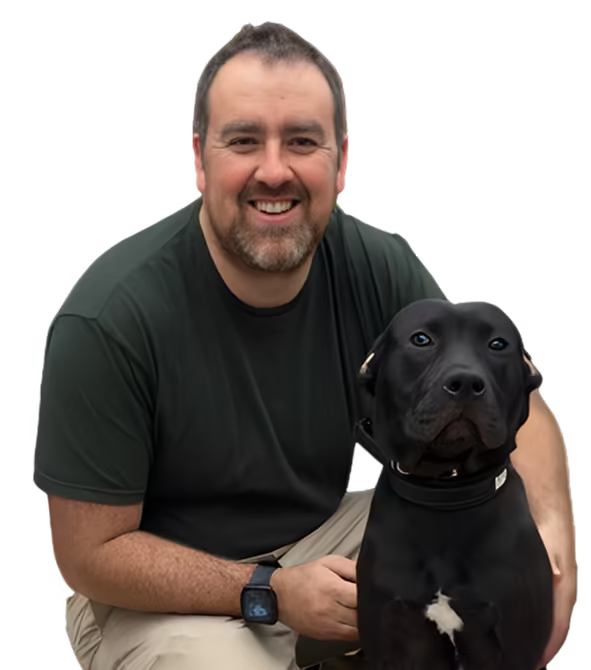
Benny S.
Founder
We come to you across Kansas City Metro cities
Frequently asked questions
Will training hurt my dog or damage our bond?
No. Puppy biting is taught with positive reinforcement, never rough handling. Dogs learn bite inhibition through structured play, redirection, and impulse control games—building trust and communication, not fear. Families consistently report stronger bonds after training because their dog understands expectations clearly.
What’s the difference between puppy mouthing and aggressive biting?
Puppy mouthing is exploratory, playful, and lacks intent to harm—though it can still hurt. Aggressive biting involves growling, hard pressure with intent, or defensive body language (stiff posture, whale eye, ears back). During your assessment, we’ll determine whether your dog needs bite inhibition training (teaching soft mouth) or behavior modification (addressing fear, resource guarding, or defensive aggression). Different problems require different approaches.
Can you guarantee my dog will stop biting completely?
We guarantee effort, expertise, and a science-backed process—not specific outcomes, because dogs (like people) vary in learning speed and consistency depends on family follow-through. That said, 95% of clients see dramatic reduction in biting within 6 weeks when protocols are followed consistently. If your dog’s behavior doesn’t improve, we troubleshoot together until it does.
What if my dog bites again after training ends?
Regression is rare when protocols are followed, but life changes (new baby, move, stressful event) can trigger setbacks. We provide ongoing email support for troubleshooting and offer discounted refresher sessions if needed. Most families maintain results long-term because we teach you the skills to reinforce behavior—you’re not dependent on us forever.
How much does dog biting training cost?
Biting and mouthing aren’t priced separately. Puppy nipping is covered in Puppy Training ($2,699). Adult biting is addressed in Family Training ($2,899), or Freedom ($3,899) where fear or aggression is involved. Your free assessment identifies the right fit.
What if my dog bites again after training ends?
Regression is rare when protocols are followed, but life changes (new baby, move, stressful event) can trigger setbacks. We provide ongoing email support for troubleshooting and offer discounted refresher sessions if needed. Most families maintain results long-term because we teach you the skills to reinforce behavior—you’re not dependent on us forever.
Do you work with all breeds, including “difficult” dogs like pit bulls or German Shepherds?
Absolutely. Breed doesn’t determine behavior—training, socialization, and individual temperament do. We’ve successfully trained bite inhibition and impulse control in every breed, from small terriers to large guardian breeds. Some breeds have stronger bite pressure naturally, which makes training even more important. We tailor techniques to your dog’s size, strength, and drives.
Is biting training right for my dog’s age or breed?
Yes. Whether you have an 8-week-old puppy learning bite inhibition for the first time, an adolescent dog whose mouthing has escalated, or an adult rescue with aggressive tendencies, our approach adapts to your dog’s developmental stage and history. Puppies respond fastest (2-4 weeks), while adult behavior modification may take 8-12 weeks depending on severity and consistency.
How long does it take to stop dog biting behavior?
Most families see significant reduction in nipping and mouthing within 2-3 weeks of consistent training. Full bite inhibition and impulse control typically solidify by week 6. Aggressive dog behavior training requires longer timelines (8-12+ weeks) with safety protocols in place throughout. Your timeline depends on your dog’s triggers, your consistency, and the severity of biting.
What if my dog’s biting is fear-based or aggressive, not playful?
We specialize in fear-based and defensive biting through desensitization, counterconditioning, and trust-building protocols. Aggressive dog behavior training prioritizes safety first—we’ll assess whether in-home training is appropriate or if additional measures (muzzle training, veterinary behaviorist consultation) are needed before proceeding.
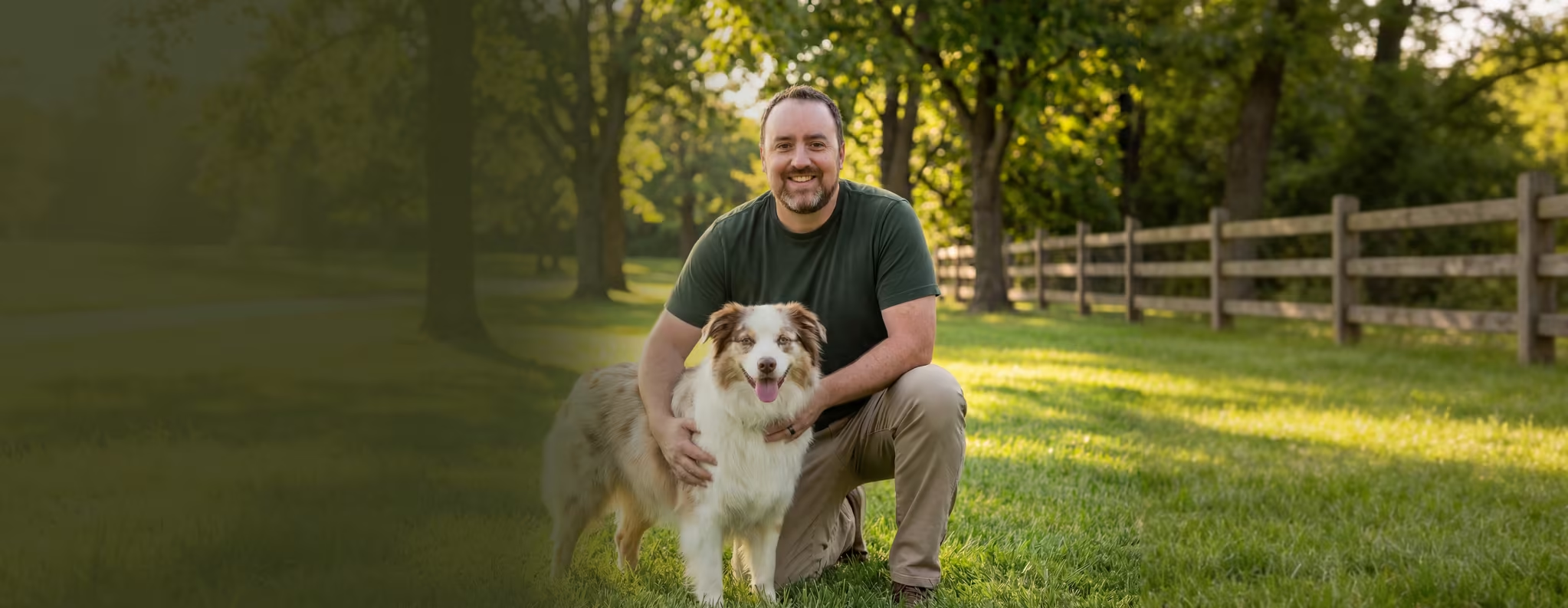
Ready for a calmer, happier home?
Let’s start with a complimentary in-home assessment. Please fill out our form so we can understand your dog’s needs and create a custom training plan.
Or call us:

We will help you choose the right program.
Book your assessment
"*" indicates required fields