
Dog Training for Reactive Dogs in Kansas City
Build calm, confident behavior
Transform anxious, reactive dogs into calm, confident companions, ending fear responses and stressful outings.
The Heartbreak of Living with a Fearful, Reactive Dog
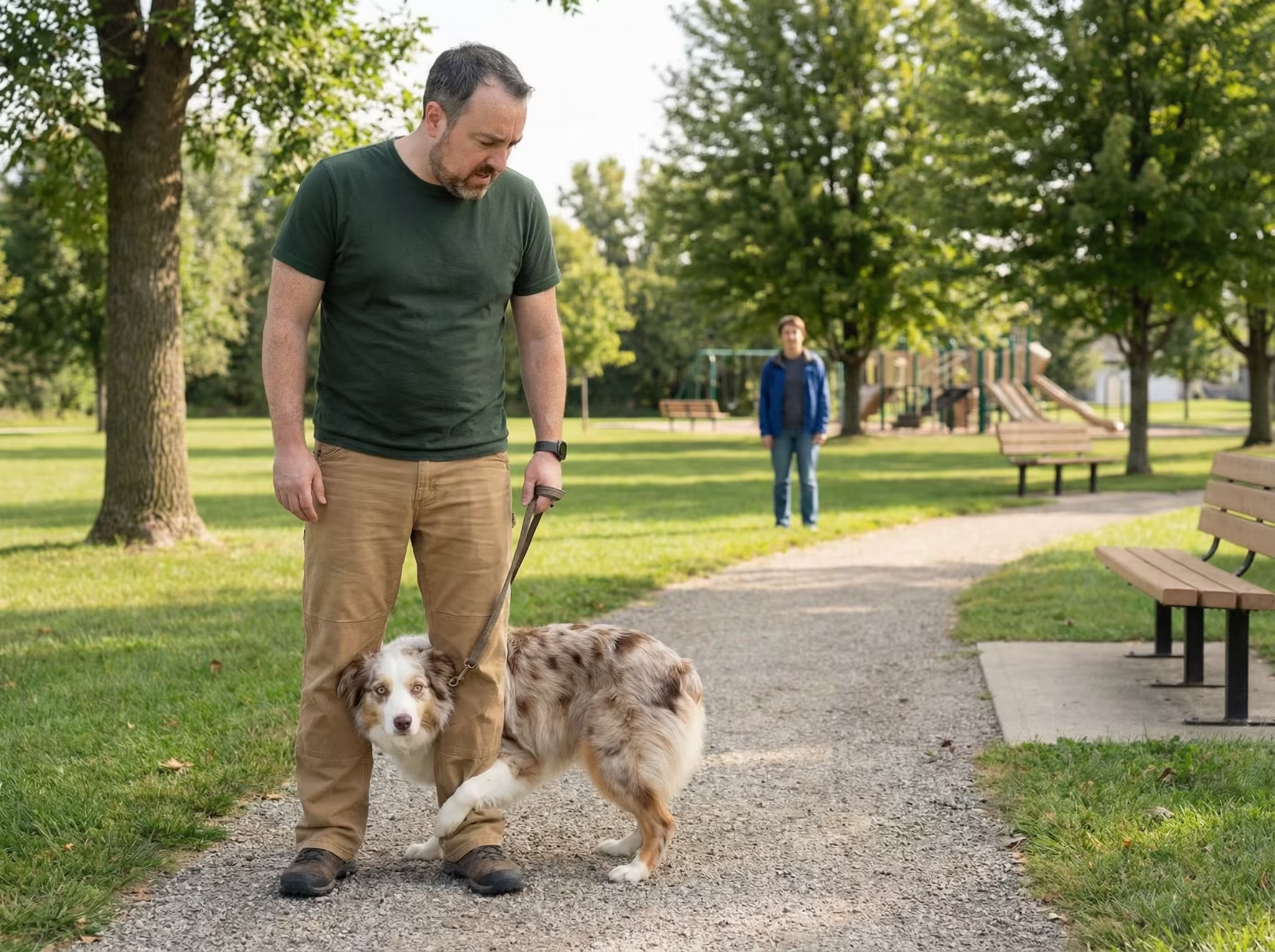
Living with a Reactive Dog – What You’re Going Through
Why Fear and Reactivity Break Hearts, And Why They Matter
If your dog lunges, barks, or shuts down around triggers, you’re not alone. This is exactly where professional dog training for reactive dogs becomes essential. You walk at dawn or dusk when streets are empty. Your dog trembles during thunderstorms, panics at doorbells, cowers from sudden movements. You feel helpless watching them suffer. Social activities disappear, no dog parks, no outdoor dining, no guests visiting. The constant vigilance exhausts you. You fear your dog will bite someone, escape during panic, or live their entire life terrified.
Without proper reactive dog training, these behaviors often get worse. Avoidance reinforces fear, and reactivity can escalate into more serious behavioral issues. Reactivity escalates into genuine aggression as fear-driven defense becomes habitual. Quality of life plummets for both of you, your dog lives in constant stress, you live in isolation and fear. Vet visits become traumatic. Moving homes, meeting new people, or environmental changes trigger severe regression. Without intervention addressing the emotional root, the fear itself, behavioral symptoms worsen while your dog’s suffering deepens.
Common Fear & Reactivity Challenges:
- Reactive Dog Training Near Me for Leash Lunging & Barking – Your dog explodes on leash when seeing other dogs, strangers, or bicycles, barking, lunging, pulling with full force. This fear-driven reactivity isolates you from normal walks, parks, and public spaces, creating safety concerns and profound embarrassment.
- Anxiety Training Dogs with Environmental & Noise Sensitivities – Thunderstorms, fireworks, sirens, vacuums, doorbells, everyday sounds trigger panic. Your dog hides, trembles, paces, drools, or destroys property attempting to escape perceived danger. Severe anxiety limits normal life, creates dangerous situations (escape attempts, injury), and reflects deep emotional distress.
- Dog Fear Aggression Toward People or Other Animals – Your dog growls, snaps, or bites when approached, not from dominance but from terror. Fear-based aggression creates liability risks, prevents socialization, and reflects profound insecurity requiring emotional intervention, not punishment, to resolve safely.
Our Trust-First Solution
How We Transform Fearful Dog Behavior Through Compassionate Desensitization
Traditional approaches, flooding (forced exposure), corrections, dominance tactics, worsen fear by confirming your dog’s belief that the world is dangerous. At Marquis Dog Training, our fearful dog behavior solutions address the emotional root through systematic desensitization, counter-conditioning, and confidence-building exercises that gradually change how your dog feels about triggers, not just how they behave.
We work at your dog’s pace, never forcing interactions or overwhelming them, respecting trauma histories and emotional thresholds while building trust.
Our Approach Includes:
- Fear Assessment & Threshold Identification – Determining exactly what triggers fear responses, measuring current threshold distances (how close before panic), and creating safe starting points that prevent overwhelming your dog during training
- Systematic Desensitization Protocols – Gradual, controlled exposure to triggers at sub-threshold distances where your dog can remain calm, slowly decreasing distance as confidence grows, never forcing interactions or “flooding” with overwhelming stimuli
- Counter-Conditioning & Positive Associations – Pairing trigger presence with high-value rewards, changing emotional responses from “threat detected” to “good things incoming,” rewiring fear associations at neurological level through positive experiences
- Confidence-Building Through Success – Structured exercises (novel surface exploration, problem-solving games, controlled social interactions) that build general confidence transferring to fear situations, teaching your dog they can handle challenges safely
How Fearful and Reactive Dog Training Works
How OurTrust-First Method Works
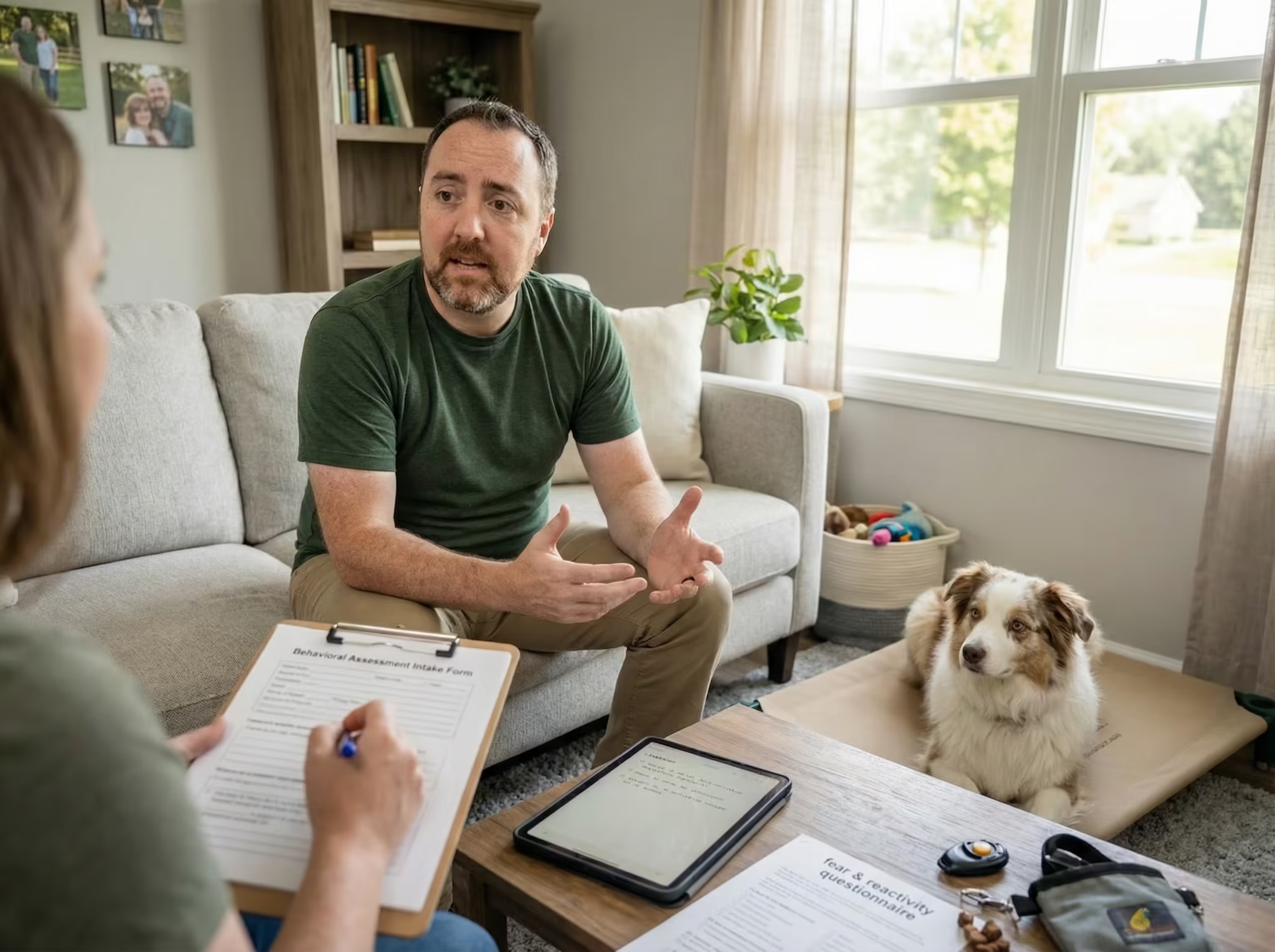
In-Home Assessment
We meet in your home to understand your dog’s history, current behaviors, and your lifestyle. We will map fears (noises, strangers, dogs) and build safe basics like hand targets.
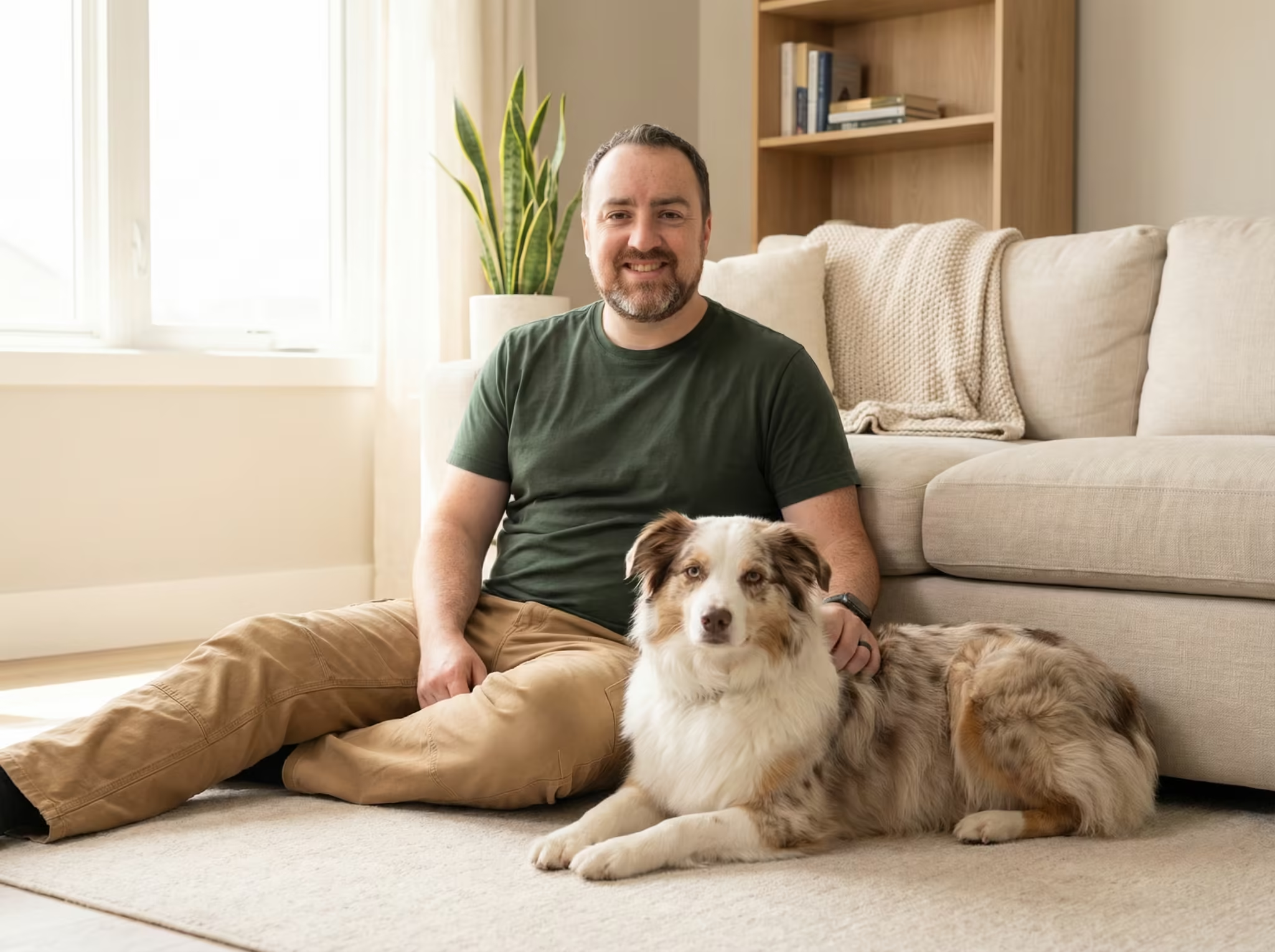
Foundation Skills at Home
We build focus, calm, and handler engagement before adding distractions. Skills like “look at me,” recall, and relaxation cues to interrupt fear early.
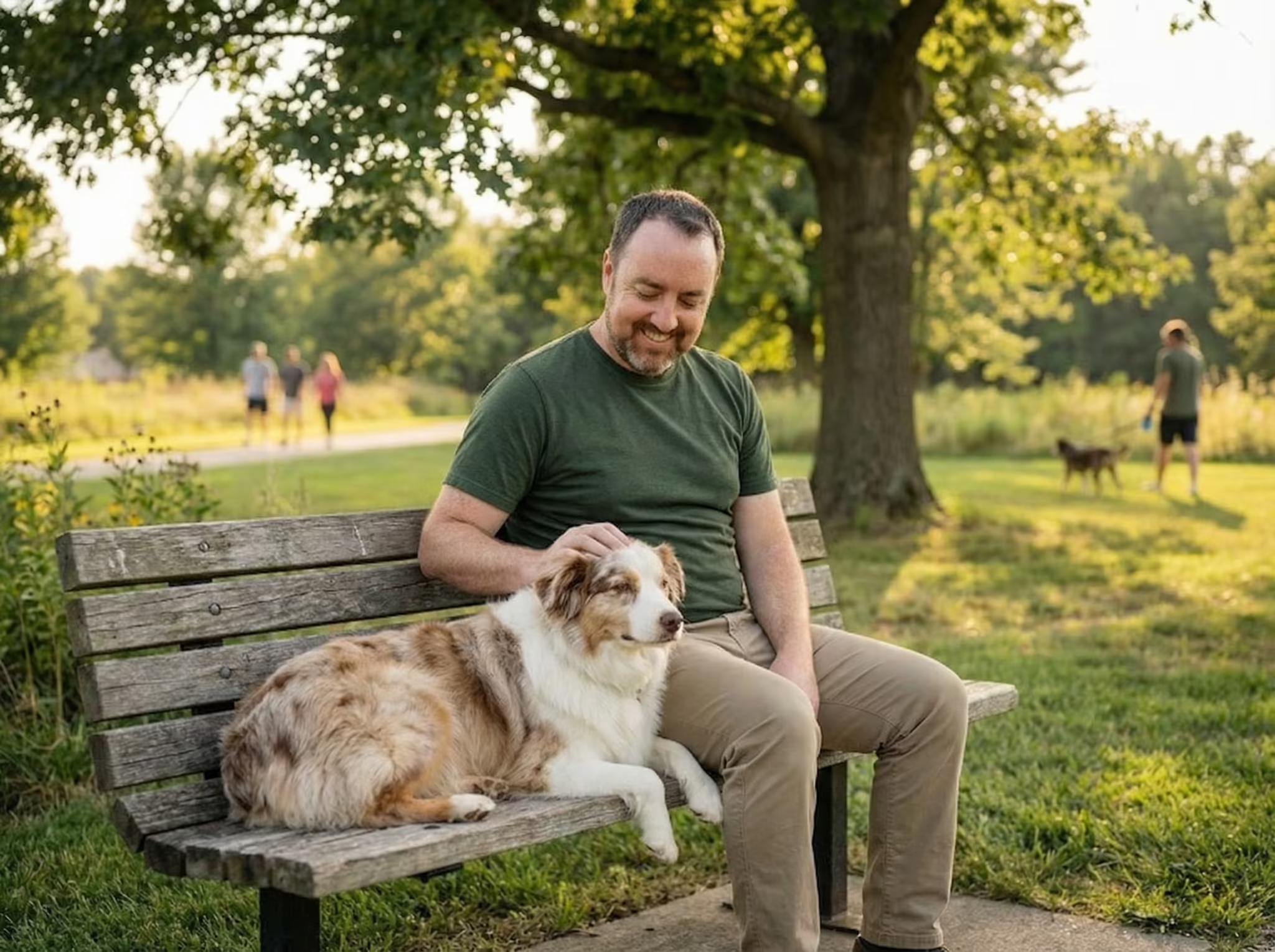
Controlled Exposure Sessions
Introduce your dog to new people, dogs, and environments at a level they can handle, using counterconditioning and desensitization. Gradually, pairing triggers with rewards.
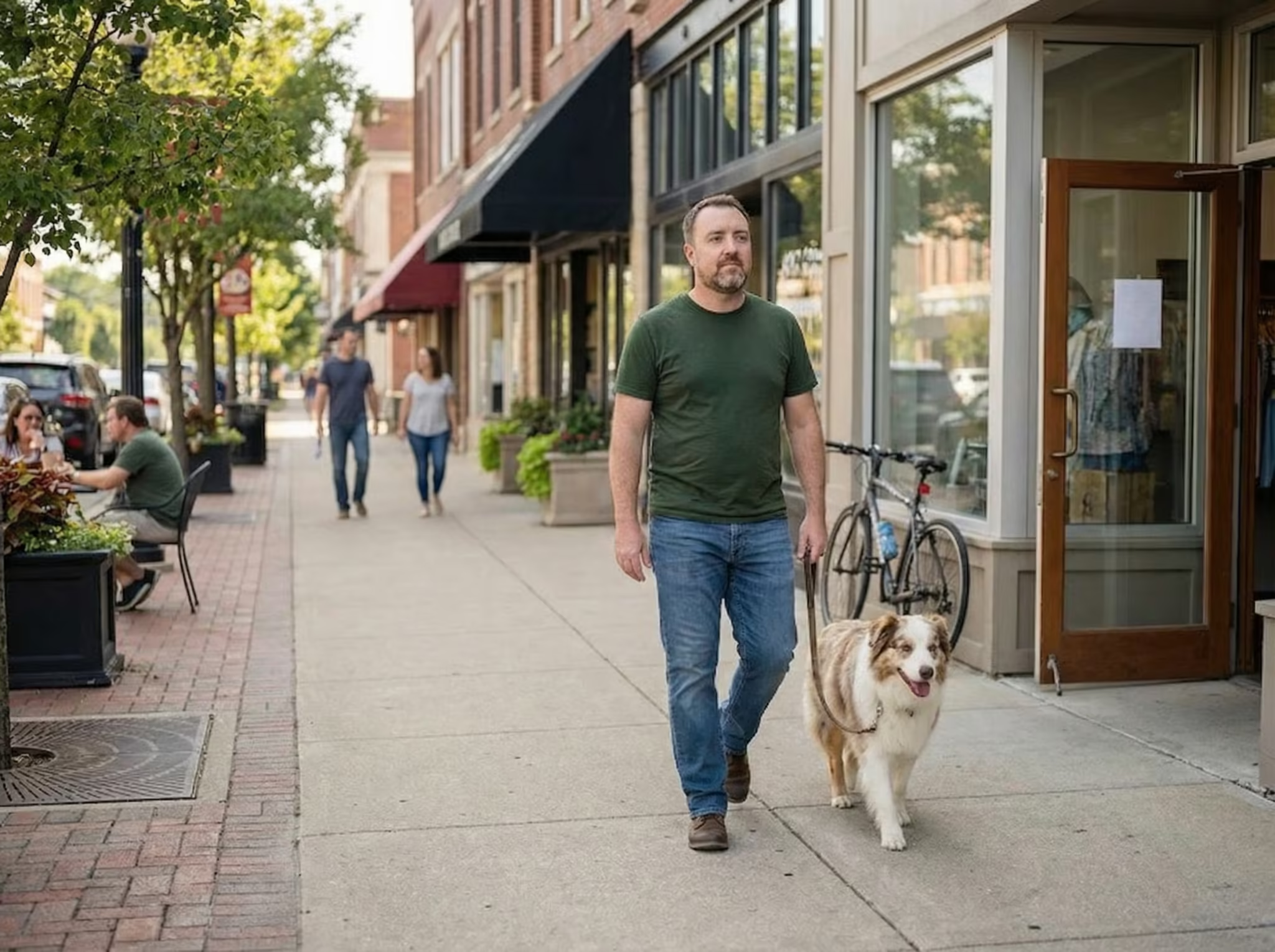
Confidence & Maintenance
We practice in KC parks, stores; and common trigger spots, then create a long-term plan so you can maintain progress. We leave You with clear homework and check-in support.
Outcomes You Can Expect

Calmer walks and outings
fewer outbursts and faster recovery when surprises happen.

Confident, social dogs
Curious and composed, relax at home, and can navigate new places easily.

Safer, more predictable behavior
improvement in public handling, eye contact, and response to cues
Complimentary 30 min in-home visit

Key Fear & Reactiveness
skills we teach
Your dog learns to feel confident and calm around triggers that once caused fear or aggression. Dogs at any age can overcome reactivity, our reactive dog training addresses the emotional root of fear responses, building trust and resilience instead of suppressing natural protective instincts.
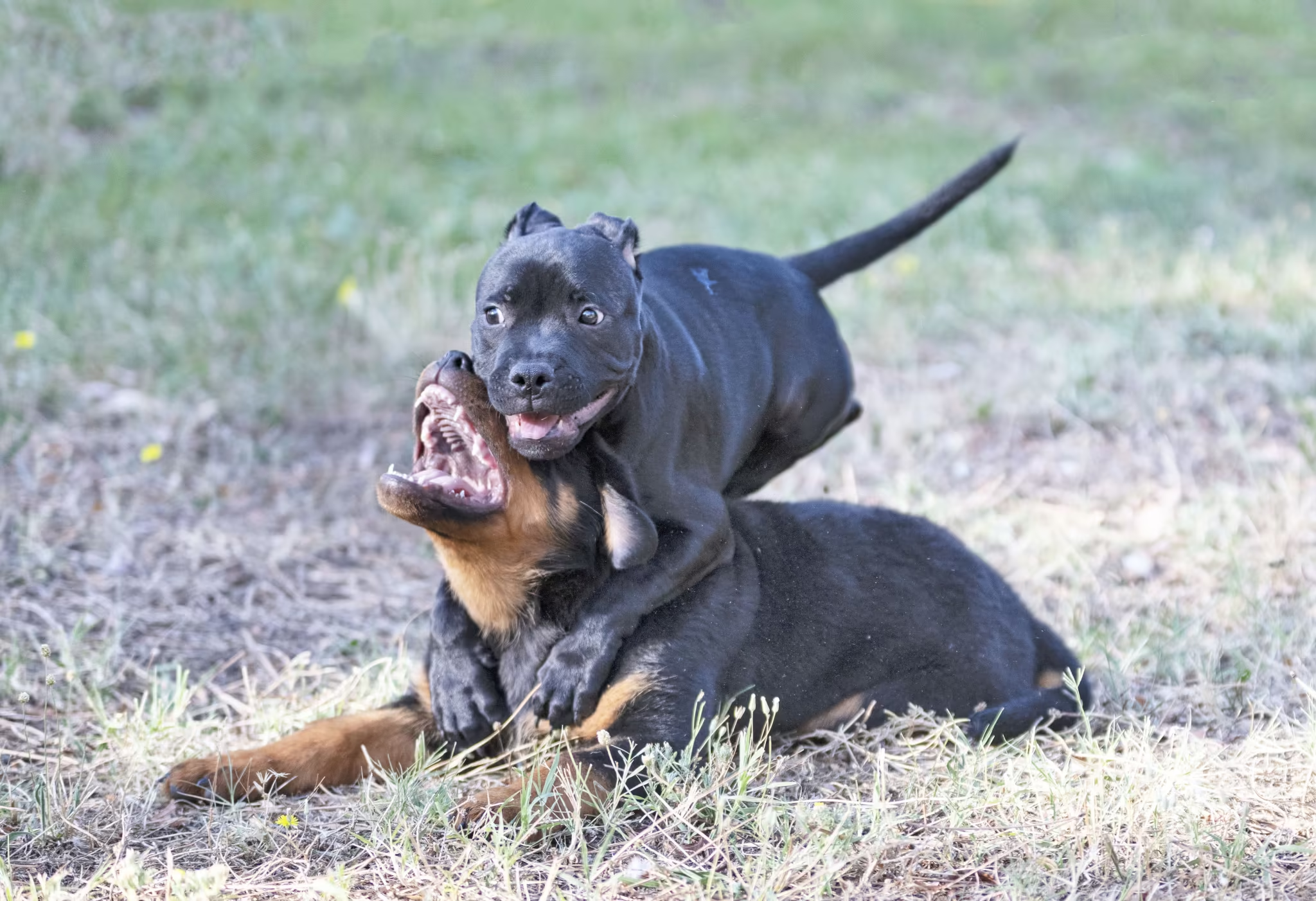
Trigger Threshold Recognition
Identifying stress levels before reactivity escalates
Your dog learns to recognize their own arousal levels – understanding when they’re approaching their reactive threshold and need to disengage. Through body language awareness training, they develop self-regulation skills that prevent fear or aggression from spiraling. Essential for dogs who go from calm to explosive with little warning, and for owners learning to read early stress signals.

Calm Distance Protocol Development
Maintaining composure at safe distances from triggers
Your dog builds confidence observing triggers (other dogs, people, vehicles, novel objects) from distances where they can stay calm – gradually decreasing that distance as confidence grows. This foundation prevents flooding (overwhelming exposure) and creates positive associations with previously terrifying stimuli. Critical for dogs with leash reactivity, barrier frustration, or fear-based aggression.
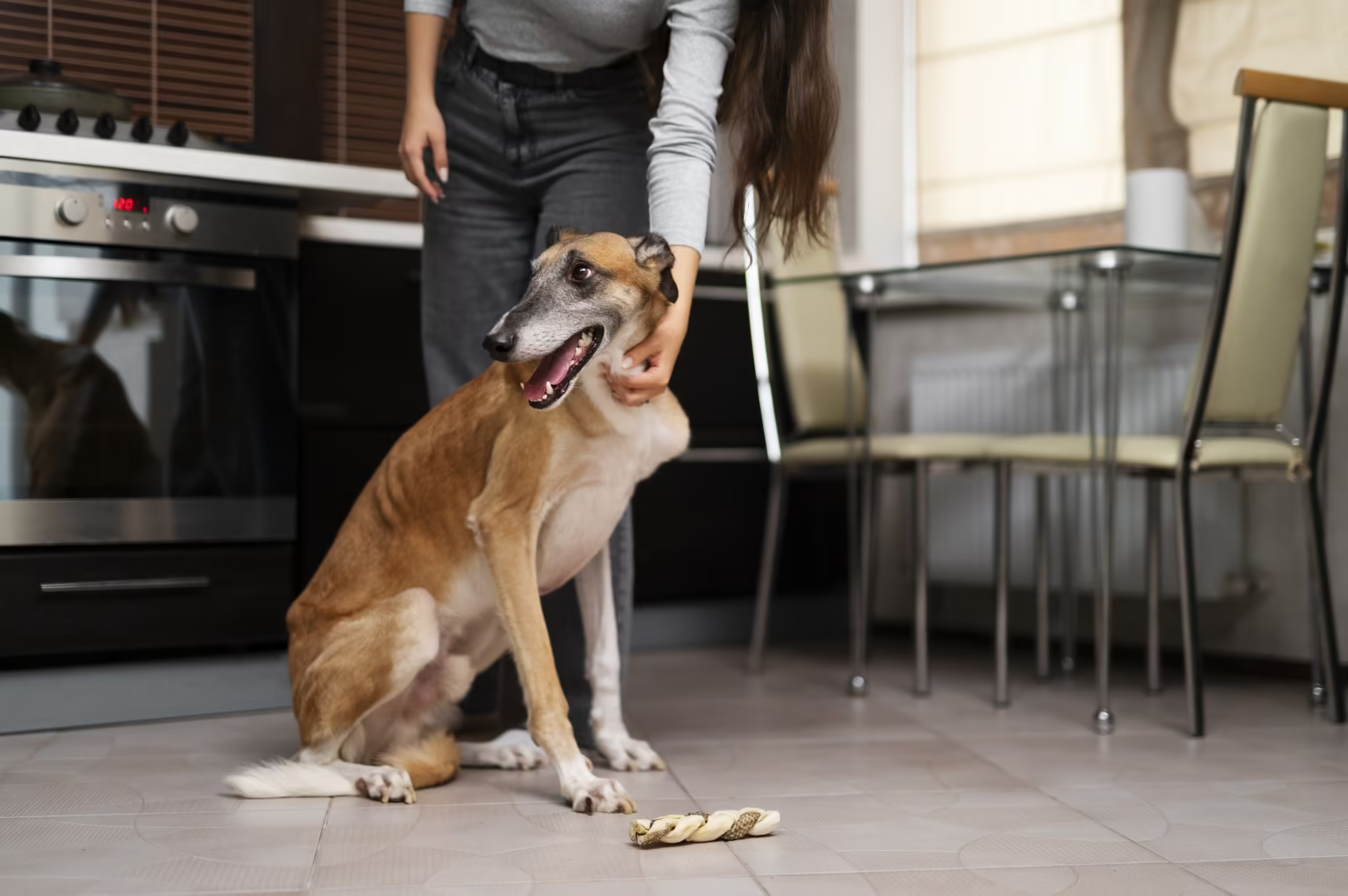
Counter-Conditioning Response Building
Replacing fear with positive emotional associations
Through systematic pairing, your dog learns that trigger appearance predicts good things – high-value treats, favorite toys, praise – rather than danger. This rewires their emotional response from “threat detected” to “opportunity incoming,” fundamentally changing how they feel about previously fear-inducing stimuli. Transforms reactive lunging into hopeful attention toward you.
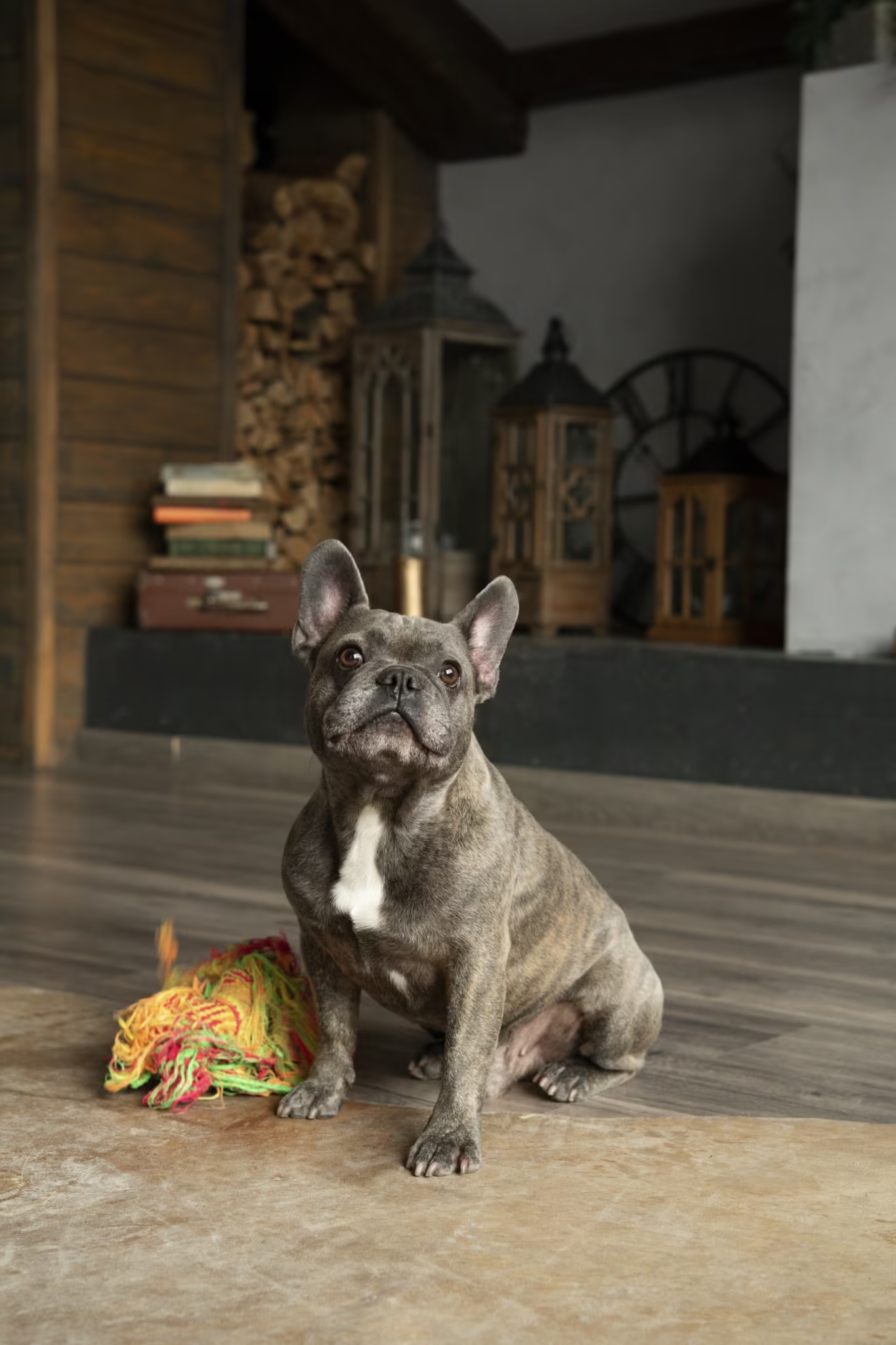
Disengagement & Check-In Behavior
Choosing to look away from triggers voluntarily
Your dog learns to disengage from triggers and check in with you for guidance – replacing reactive fixation with calm awareness and trust in your leadership. This voluntary attention creates a pattern interrupt, preventing fear from escalating into aggression or panic. Particularly powerful for dogs who lock onto triggers and can’t self-redirect.
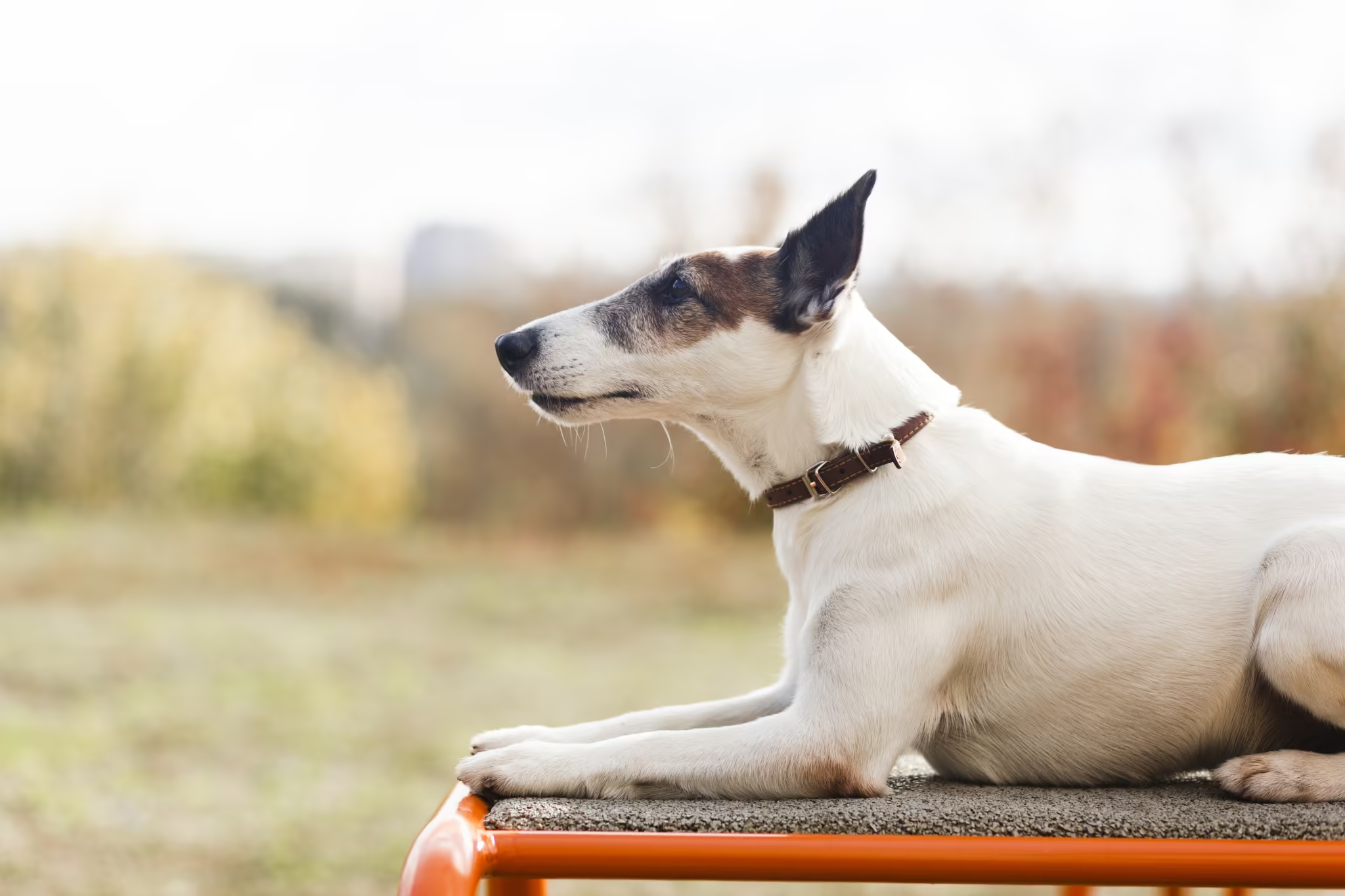
Confidence-Building Through Novel Exposure
Approaching new situations with curiosity instead of fear
Your dog develops resilience facing unfamiliar environments, objects, sounds, and surfaces – learning that novelty isn’t inherently threatening. Controlled exposure to age-appropriate challenges builds general confidence that transfers across situations. Essential for fearful rescues, undersocialized dogs, and anxiety-prone temperaments needing broad confidence gains.
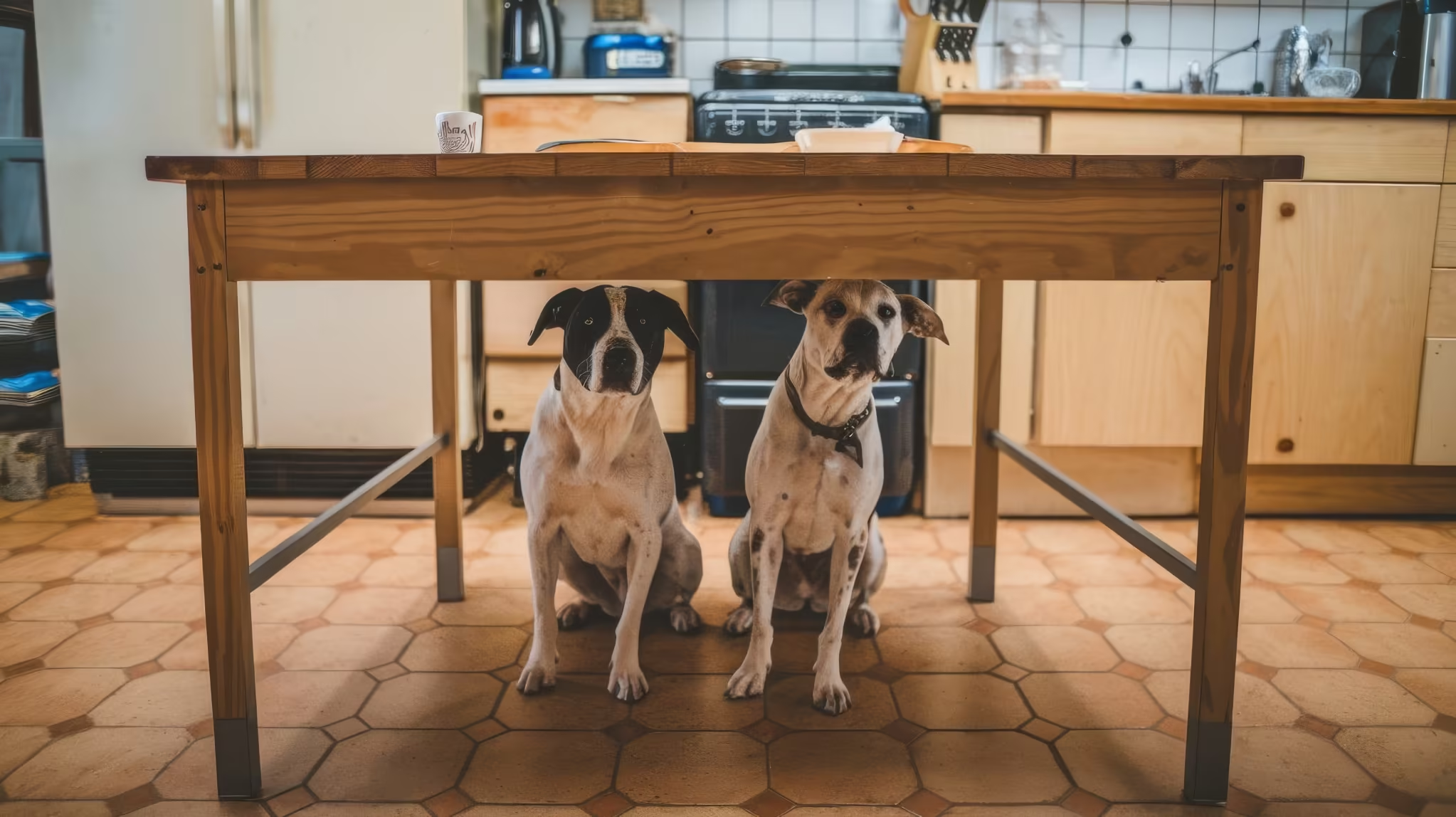
Safe Space & Retreat Protocol
Recognizing when to remove themselves from overwhelming situations
Your dog learns that retreating to their safe space (mat, crate, designated area) during overwhelming moments is acceptable – not failure. This prevents forced tolerance that worsens reactivity and gives your dog agency in managing their environment. Reduces pressure that often escalates fear into defensive aggression, especially important for dogs with trauma histories.
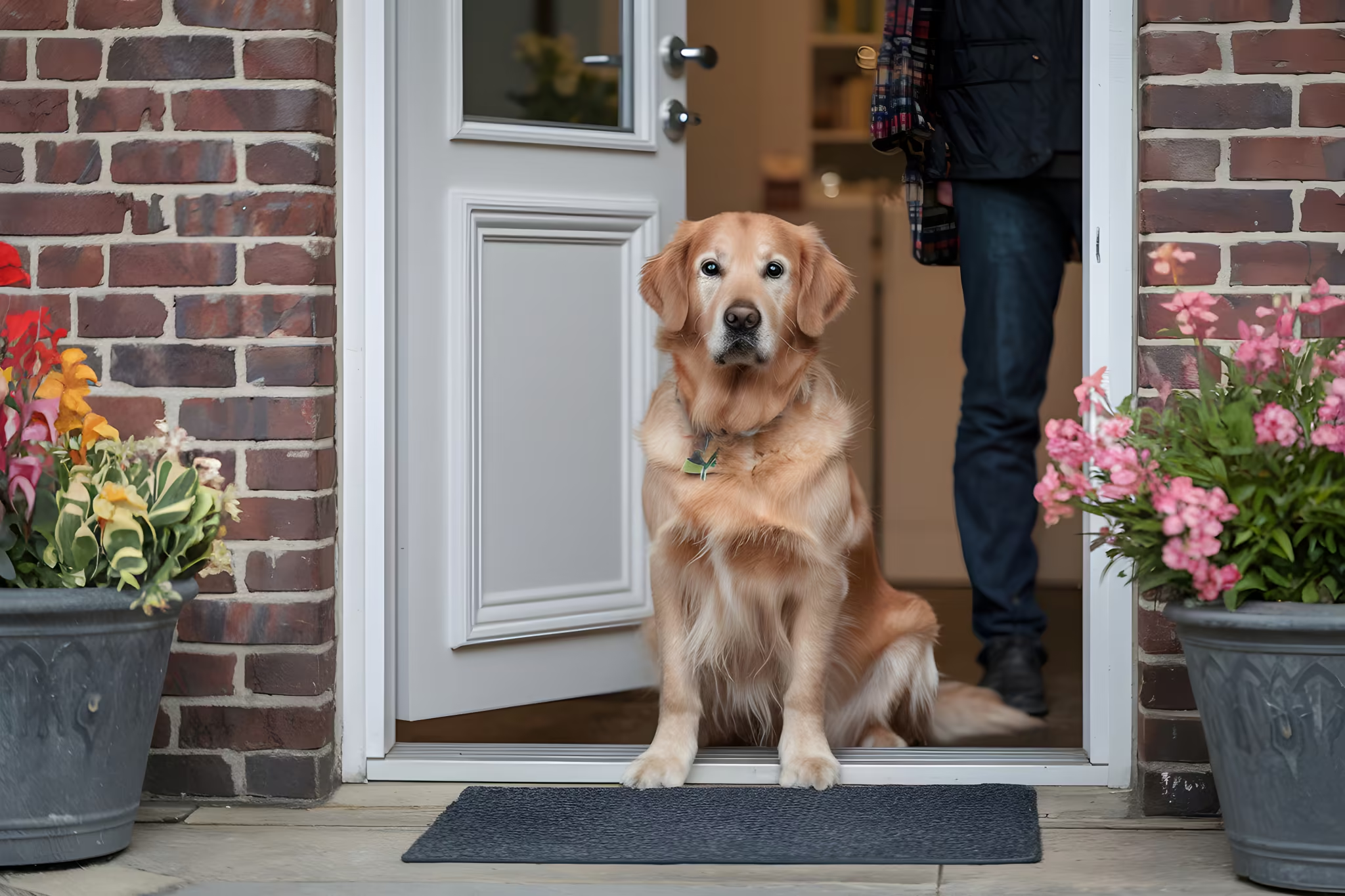
Calm Greeting & Approach Rituals
Meeting new people or dogs without fear or aggression
Your dog develops structured greeting protocols – sit/wait for permission, controlled approach, polite sniffing without jumping or lunging. These rituals replace chaotic, fear-driven greetings with predictable, confidence-building interactions. Transforms tense encounters into successful social experiences, particularly vital for fear-reactive dogs learning appropriate social behavior.
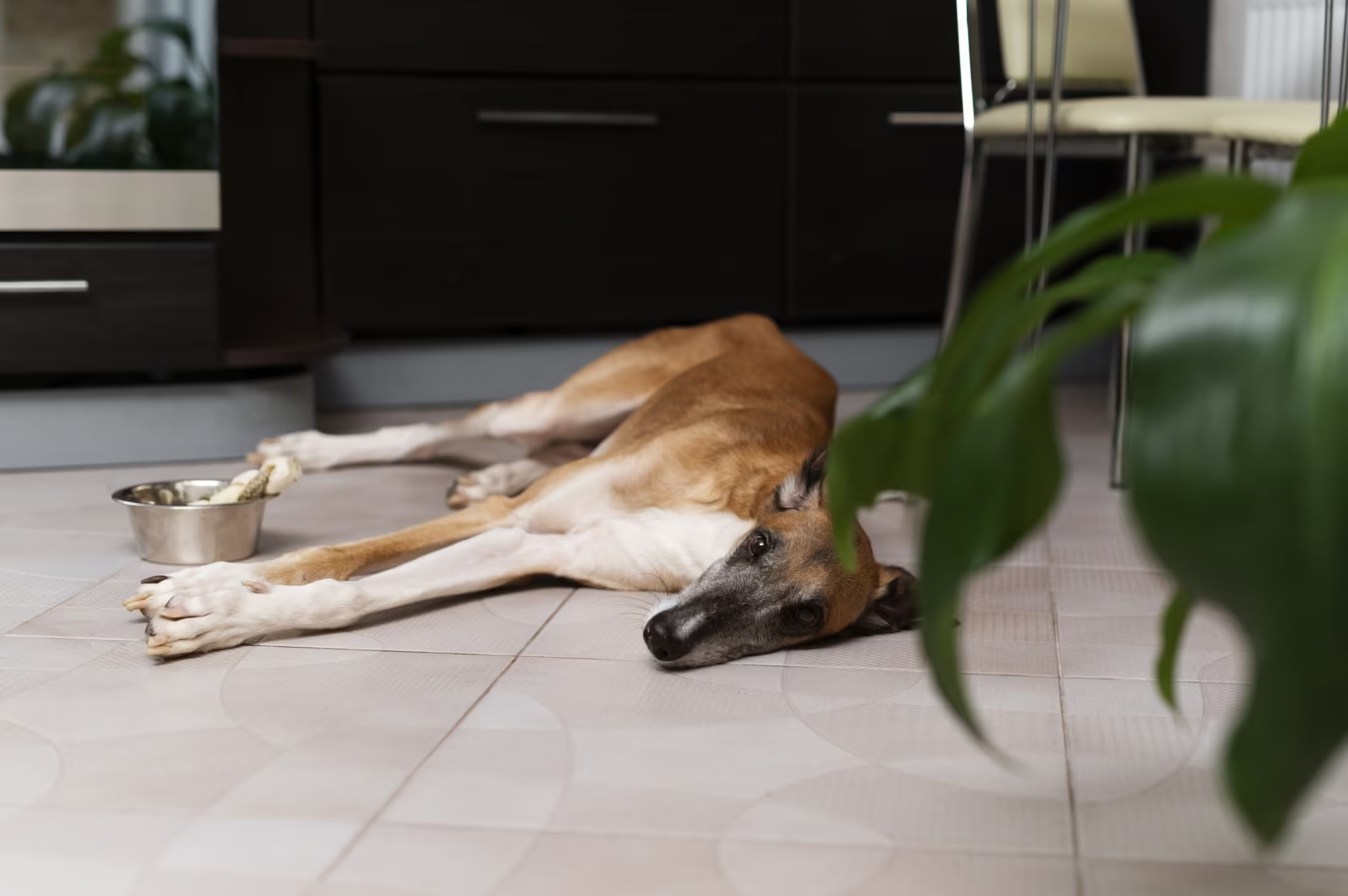
Recovery & Stress Decompression Skills
Returning to baseline after reactive episodes
Your dog learns techniques to self-soothe after stressful encounters – deep breathing cues, calm settling behaviors, orienting to familiar comfort routines. This prevents the stress stacking that turns one bad experience into days of heightened reactivity. Essential for anxious dogs who struggle to recover emotionally, staying hypervigilant long after triggers disappear.

Take our 3-minute survey
so we can tailor your consultation
Trigger Threshold Recognition
Identifying stress levels before reactivity escalates
We teach you to recognize your dog’s stress signals before reactivity escalates, a foundational skill in reactive dog training that prevents behavior from spiraling.
Calm Distance Protocol Development
Maintaining composure at safe distances from triggers
We teach you to recognize your dog’s stress signals before reactivity escalates, a foundational skill in reactive dog training that prevents behavior from spiraling.
Counter-Conditioning Response Building
Replacing fear with positive emotional associations
Your dog learns to stay calm at safe distances from triggers while gradually building confidence, a core method used in reactivity training for dogs.
Disengagement & Check-In Behavior
Choosing to look away from triggers voluntarily
We use counter-conditioning to change your dog’s emotional response to triggers, replacing fear with positive associations through structured reactive dog training.
Confidence-Building Through Novel Exposure
Approaching new situations with curiosity instead of fear
Your dog learns to disengage from triggers and look to you for guidance, reducing fixation and preventing reactive outbursts.
Safe Space & Retreat Protocol
Recognizing when to remove themselves from overwhelming situations
Your dog learns when and how to safely disengage and retreat, preventing overwhelm and reducing reactive responses.
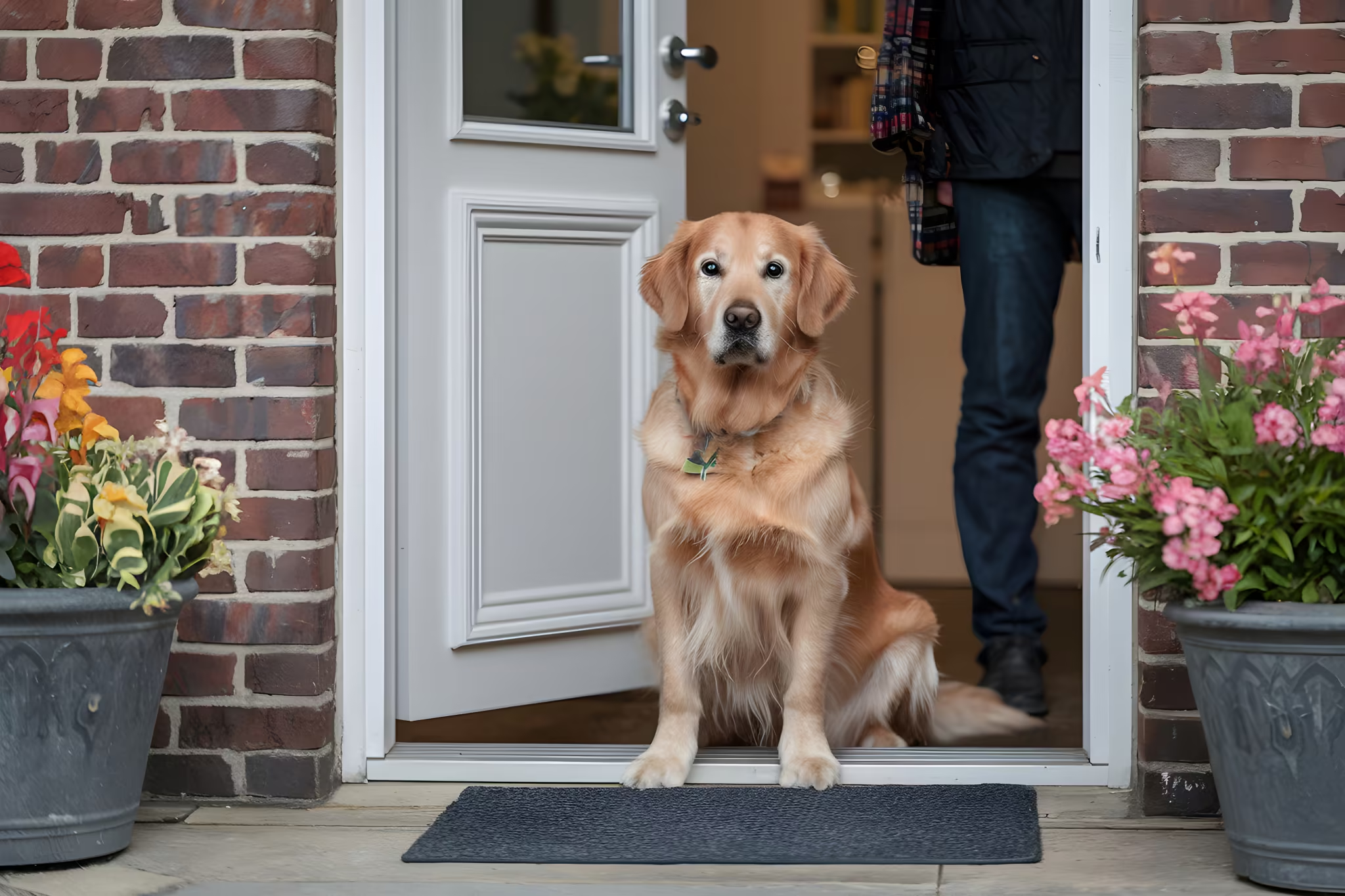
Calm Greeting & Approach Rituals
Meeting new people or dogs without fear or aggression
We teach structured greeting behaviors so your dog can interact calmly with people and other dogs without fear or aggression.
Recovery & Stress Decompression Skills
Returning to baseline after reactive episodes
Your dog learns techniques to self-soothe after stressful encounters – deep breathing cues, calm settling behaviors, orienting to familiar comfort routines. This prevents the stress stacking that turns one bad experience into days of heightened reactivity. Essential for anxious dogs who struggle to recover emotionally, staying hypervigilant long after triggers disappear.
Take our 3-minute survey
so we can tailor your consultation

Why Marquis Dog Training

Certified, experience-backed training
Your trainer is an AKC Canine Good Citizen Evaluator with behavior and reactive dog training experience, specializing in positive reinforcement methods.

Trust-first, lifestyle-aligned approach
We coach your whole family, not just your dog, so your socialization routines fit school runs, work schedules, and weekend adventures, not a rigid class timetable.

Clear standards and follow-through
If we set a goal, we keep it. You get specific milestones for your dog’s socialization progress and honest guidance if reactive dog training or longer support is recommended.
Complimentary 30 min in-home visit
Success stories
Tips to build confidence in reactive dogs in Kansas City
Gradual exposure at your dog’s pace

Start desensitization at a comfortable distance
If your dog reacts to other dogs at 20 feet, start training at 40 feet where they’re calm. Gradually decrease distance as confidence builds. Never push your dog beyond their threshold, that’s re-traumatizing, not training.

Pair triggers with positive rewards, not more fear
Every time your dog sees a trigger, good things happen, treats, praise, toys. They learn “scary thing appearing = treats now!” This changes their emotional response from panic to anticipation naturally.

Use KC’s quieter parks for initial exposure
Small neighborhood parks or quiet off-peak times at major parks let you control exposure better than crowded dog parks. Build confidence in lower-stress environments before tackling high-stimulation situations.
Ready to rebuild confidence?
Complimentary 30 min in-home visit




AI Summary
The reviews for the training service highlight a number of strengths, particularly the effectiveness of the training methods and the positive transfor…
Powered by Marquis Dog Training
What you’ll see in
week one

Confidence in Familiar Situations
Your dog goes from panicked to curious in environments they’ve seen before. Anxiety decreases visibly. They explore spaces with confidence instead of cowering or reacting.
Calmer Trigger Responses
When triggers appear, other dogs, strangers, sounds, your dog’s reaction softens. Where they once lunged or panicked, they now pause and look to you for reassurance. The panic response gradually disappears.
Genuine Social Participation
Your dog begins enjoying situations instead of just enduring them. Walks aren’t about managing panic anymore. Dog park visits become possible instead of avoided. Your social life expands with your dog.
Trust in Your Partnership
Your dog increasingly trusts you to keep them safe. That trust deepens as their confidence grows. You move from managing a reactive dog to enjoying a confident companion.

Benny S.
Founder
We come to you across Kansas City Metro cities
Frequently asked questions
Does fearful dog training work for rescues?
Yes, our reactive dog training programs are highly effective for rescue dogs who are fearful or shut down. We focus on building trust through calm, structured routines and gradual exposure. Most Kansas City dog owners begin seeing improved confidence and engagement within the first few weeks.
How long for reactive dog training near me results?
Noticeable improvement often starts in 2–4 weeks, with reliable real-world progress by 8–12 weeks.
Reactive programs focus on calm walks around your neighborhood, neutral passes with other dogs, and stress reduction.
Your homework consistency between sessions is key to faster, lasting results.
What about dog fear aggression risks?
Fear-based aggression can be serious, but it is manageable with the right training approach. Our aggressive dog training in Kansas City focuses on safety, structured exposure, and gradual confidence building. We begin in controlled environments and progress based on your dog’s comfort level.
What causes fearful dog behavior?
Common causes include lack of early socialization, past trauma, inconsistent handling, or medical issues.
Rescues may carry unknown baggage, while family puppies can develop fears from overwhelming experiences.
We start by assessing your dog’s history and triggers to create a targeted plan.
How is reactive dog training near me different?
Our in-home approach works on your real triggers, like neighborhood walks or door greetings, instead of controlled classes.
We coach you to recognize early stress signs and respond calmly, building your dog’s confidence where problems happen most.
This leads to faster carryover to Kansas City parks and daily life compared to group settings.
Can you fix anxiety training dogs issues?
We help dogs manage and reduce anxiety through structure, counterconditioning, and trust-building.
Programs target separation anxiety, noise fears, or handling sensitivity with gradual exposure and coping skills.
“Fix” depends on the root cause, but most families achieve much calmer, more confident dogs.
Does dog fear aggression mean rehoming?
Not usually, many fear-aggressive dogs thrive with the right plan and owner commitment.
We evaluate bite history, trigger intensity, and your household safety to set realistic expectations.
If rehoming becomes the safest path, we’ll help you make that decision with clear guidance.
Timeline for fearful dog behavior solutions?
Initial trust-building takes 4–6 weeks, with bigger confidence gains by 8–12 weeks.
We phase from home-based calm routines to controlled neighborhood exposures as your dog progresses.
Severe cases or inconsistent homework may extend timelines, but we’ll adjust based on your results.
What does a first session look like for fearful or reactive dogs?
We observe your dog’s current behavior, test a few gentle exercises, and map triggers.
No pressure, we focus on safety assessment and simple home adjustments you can start immediately.
You’ll leave with clear next steps and homework that feels doable for your schedule.
Do you use medication or recommend vets for fear issues?
We recommend ruling out medical causes with your vet first, especially for new behaviors.
Medication can support training in severe cases, but our focus is behavioral structure and confidence-building.
We’ll guide you on when to consult a vet behaviorist alongside our work.
Can fearful dogs ever be confident around kids or other pets?
Many do, with patient desensitization and family-wide consistency.
We create safe protocols for kids’ interactions and multi-pet households, practicing in your home environment.
Progress depends on your dog’s baseline and commitment to the plan.
For general questions about our methods, pricing, and how training works, visit our main FAQ page.
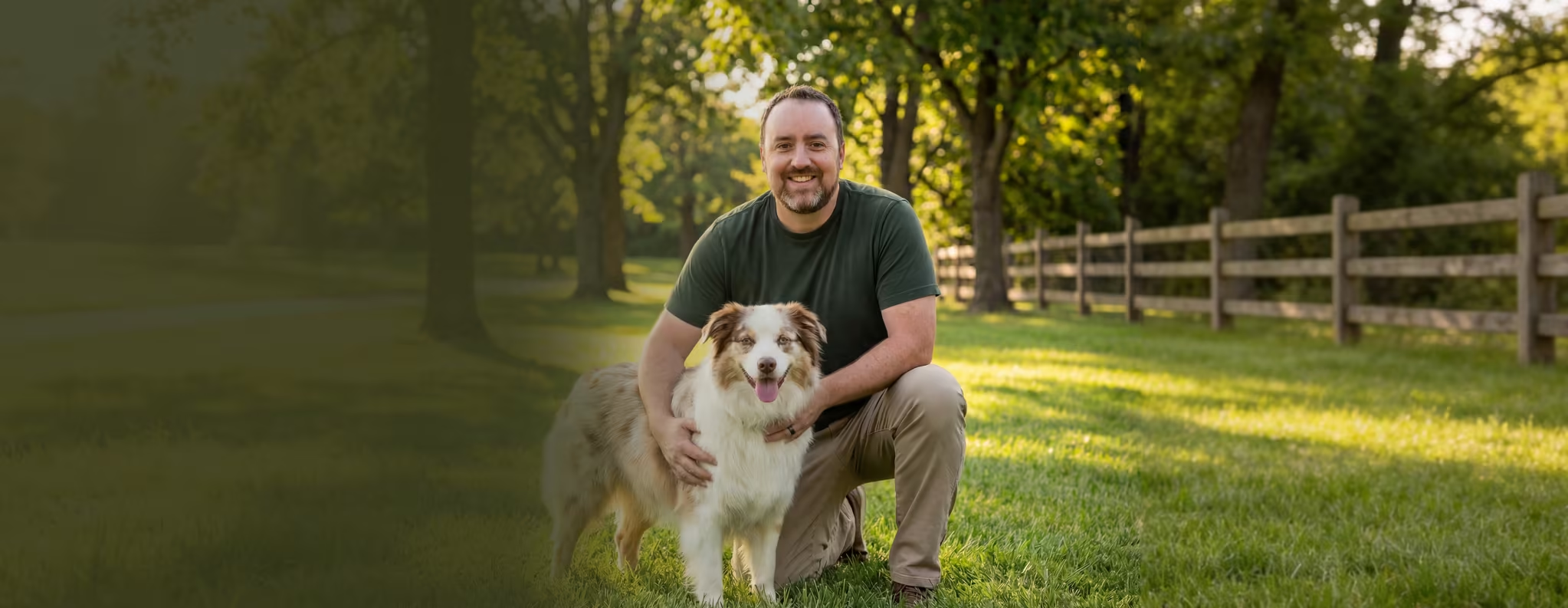
Ready for a calmer, happier home?
Let’s start with a complimentary in-home assessment. Please fill out our form so we can understand your dog’s needs and create a custom training plan.
Or call us:

We will help you choose the right program.
Book your assessment
"*" indicates required fields