Dog Training for Leash Pulling in Kansas City
Enjoy Calm, Controlled Walks Again
Your Dog Doesn’t Have to Drag You Down the Street
Loose Leash Walking Training for Calm, Controlled Walks
The Exhaustion of Being Dragged on Every Walk
Why Leash Pulling Ruins Walks—And Why It Matters
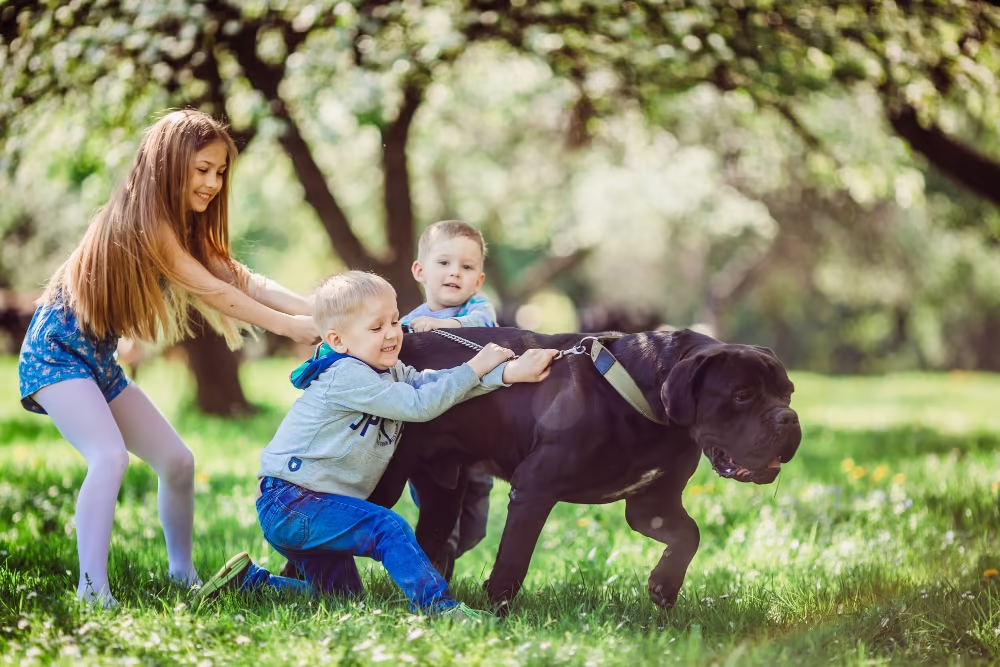
Your dog pulls the instant you step outside. Your arm aches. Your shoulder strains. You brace yourself before every corner, anticipating the lunge toward squirrels, other dogs, interesting smells. You’ve tried harnesses, prong collars, constant stops, treats—nothing creates lasting change. Walks are battles, not bonding. You feel embarrassed at busy parks when your dog drags you past calm dogs walking politely. The bigger your dog, the more dangerous the pulling—you fear losing control near traffic or encountering reactive dogs. Without proper loose leash walking training, dogs learn that pulling gets them where they want to go—reinforcing the behavior every time.
Left unaddressed, leash pulling gets worse over time. Without proper dog training for leash pulling, walks become stressful, inconsistent, and physically exhausting. Physical strain worsens—chronic shoulder pain, hand injuries from leash burns, back problems from constant bracing. You avoid walks, robbing your dog of exercise and mental stimulation, compounding behavioral issues. Your bond suffers as resentment replaces enjoyment. Social isolation increases—you skip group walks, avoid busy trails, and miss opportunities for your dog to explore Kansas City’s beautiful parks because the pulling makes outings miserable.
Common Leash Pulling Challenges:
- Leash Training Dogs Who Lunge Toward Distractions – Your dog spots squirrels, other dogs, people, or interesting smells and immediately lunges with full force—ignoring your commands, pulling harder when restrained, and creating dangerous situations near roads or reactive animals.
- Pulling on Leash Training for Strong Breeds & Powerful Dogs – Large breeds (Labs, German Shepherds, Pitbulls, Huskies) pulling with full strength create safety concerns—you can’t physically restrain them, risk injury trying, and feel helpless when they fixate on targets and pull despite pain or corrections.
- Loose Leash Walking in Real-World Busy Environments – Your dog walks acceptably in quiet neighborhoods but pulls uncontrollably in stimulating environments—busy sidewalks, parks with other dogs, downtown areas with pedestrians—making public outings stressful and limiting where you can confidently take your dog.
Our Trust-First Solution
How We Teach Dogs to Stop Dog Leash Pulling Through Focus
Traditional methods—corrections, prong collars, constant stopping—treat symptoms without teaching your dog how to walk calmly. Our dog training for leash pulling focuses on building impulse control, attention to you, and calm behavior—so your dog learns to walk beside you without pulling. At Marquis Dog Training, our how to train dog not to pull approach builds impulse control, attention to you over distractions, and calm focus—creating dogs who naturally walk at your pace because they’re engaged with you, not suppressed by equipment.
We work in real Kansas City environments—building reliable dog training for leash pulling in neighborhoods, parks, and busy areas where you actually walk your dog.
Our Trust-First Method Approach Includes:
- Attention & Check-In Training – Teaching your dog to look to you for guidance instead of fixating on environmental distractions, creating voluntary attention rather than forced compliance
- Impulse Control Foundations – Building your dog’s ability to resist lunging toward exciting stimuli (squirrels, other dogs, smells) through structured exercises that strengthen self-regulation
- Progressive Distraction Training – Practicing in gradually challenging environments (home yard → quiet streets → parks → busy downtown), ensuring reliability transfers to real-world situations you encounter daily
- Loose Leash Walking Mechanics – Teaching proper positioning, pace matching, and turn communication through positive reinforcement, rewarding choice to stay near you rather than punishing pulling
How Dog Leash Pulling Training Works
How Our Trust-First Method Works
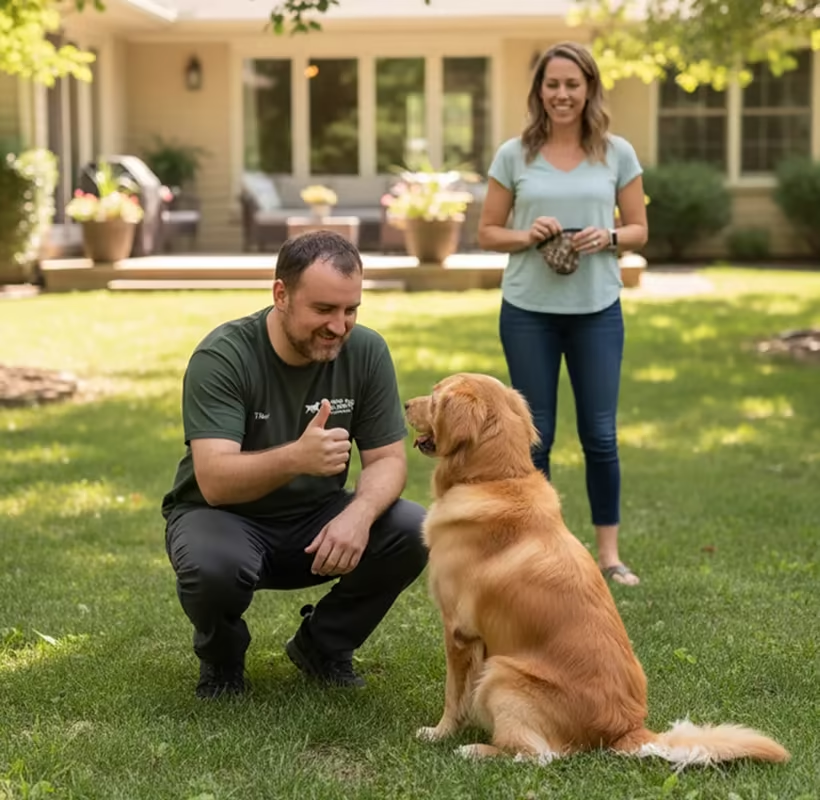
In-Home Assessment
We observe your current walks—when pulling starts, what triggers lunging (squirrels, dogs, people, smells), how your dog responds to corrections, and what equipment you’ve tried.
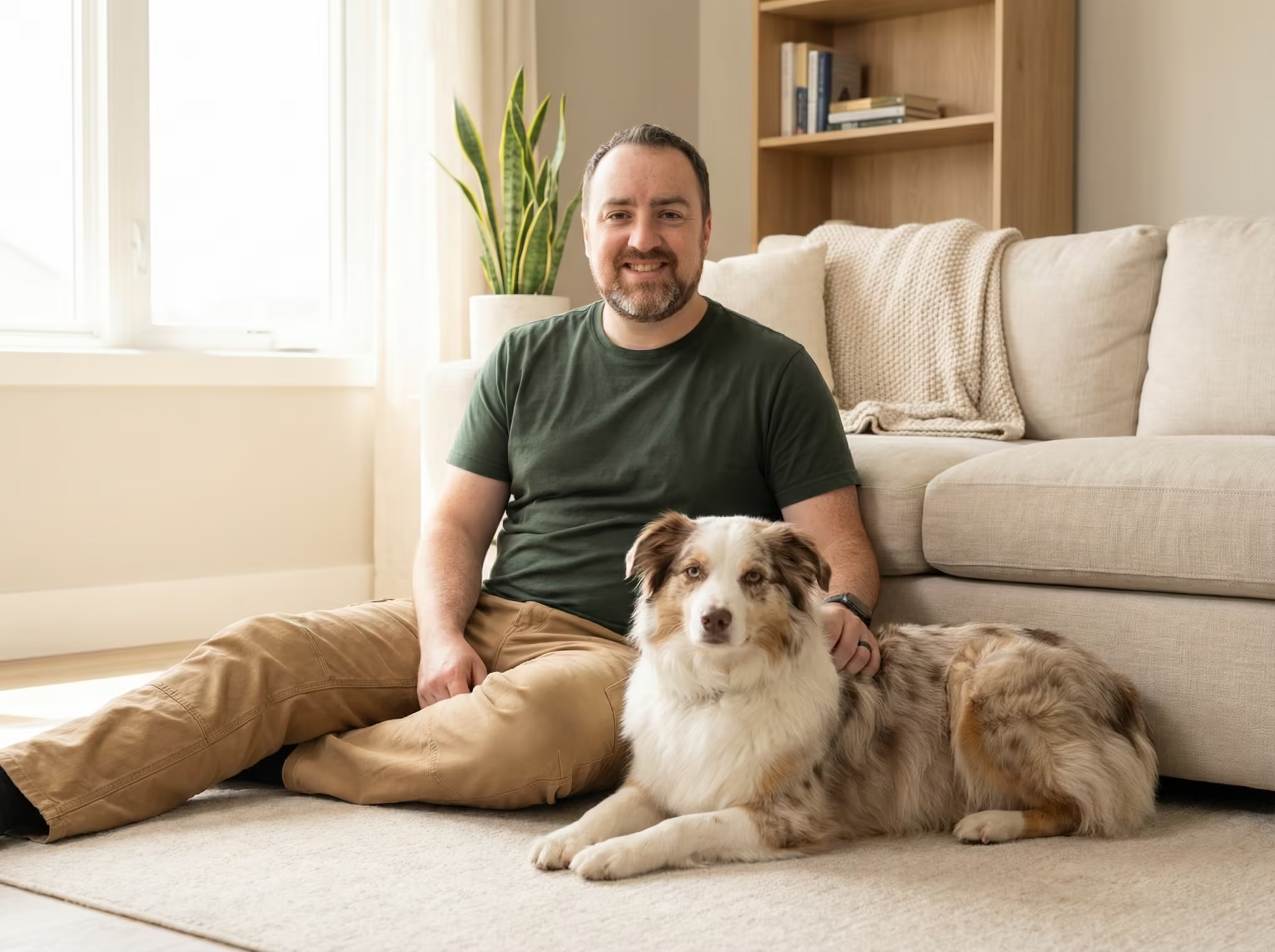
Foundation Skills at Home
In low-distraction environments (your yard, quiet streets), we teach your dog to check in with you voluntarily—making eye contact, responding to name, choosing to walk near you.
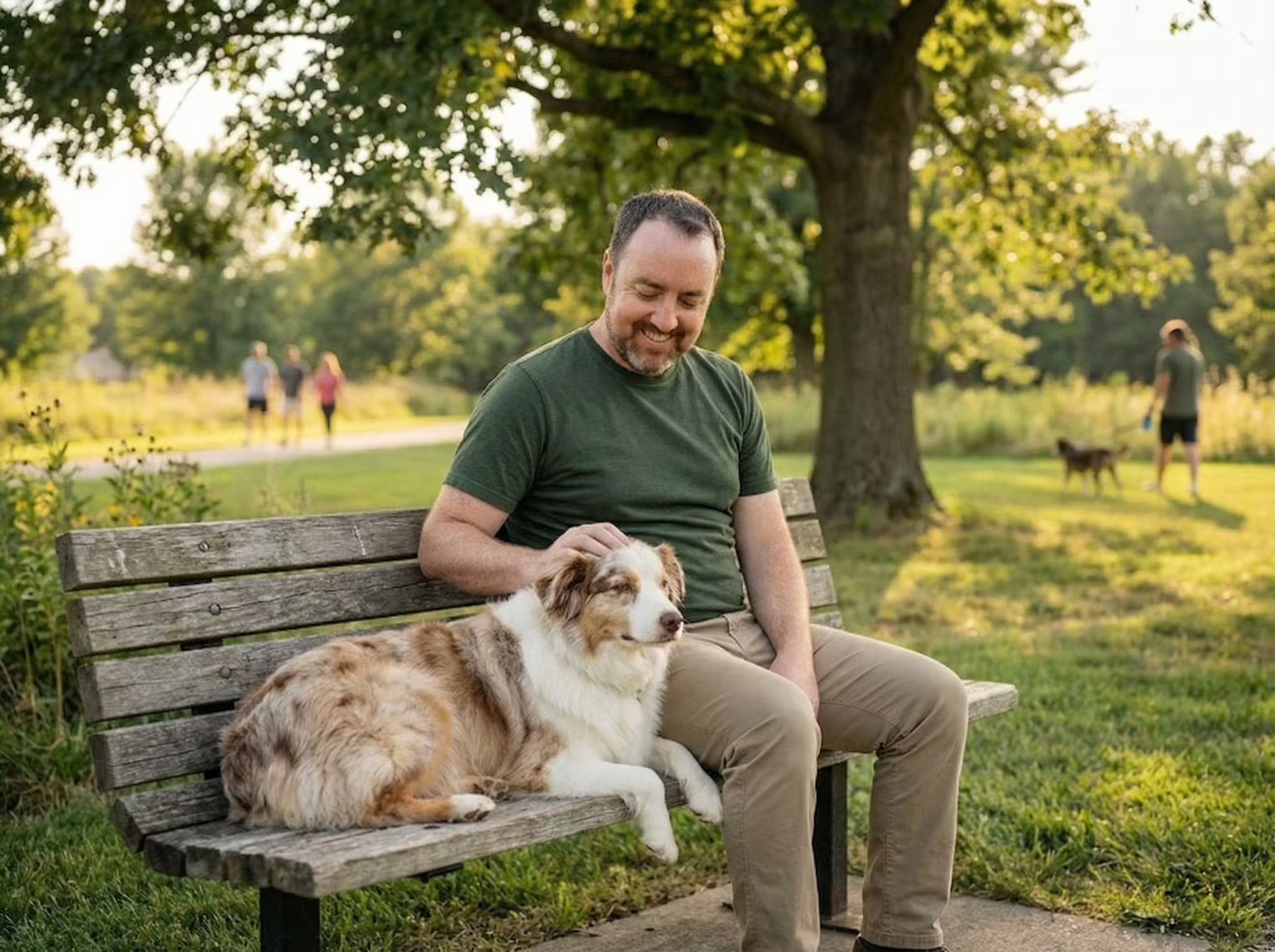
Controlled Exposure Sessions
We practice in Kansas City locations—Loose Park trails, Shawnee Mission Park paths, Country Club Plaza sidewalks—building reliability around real distractions you encounter.
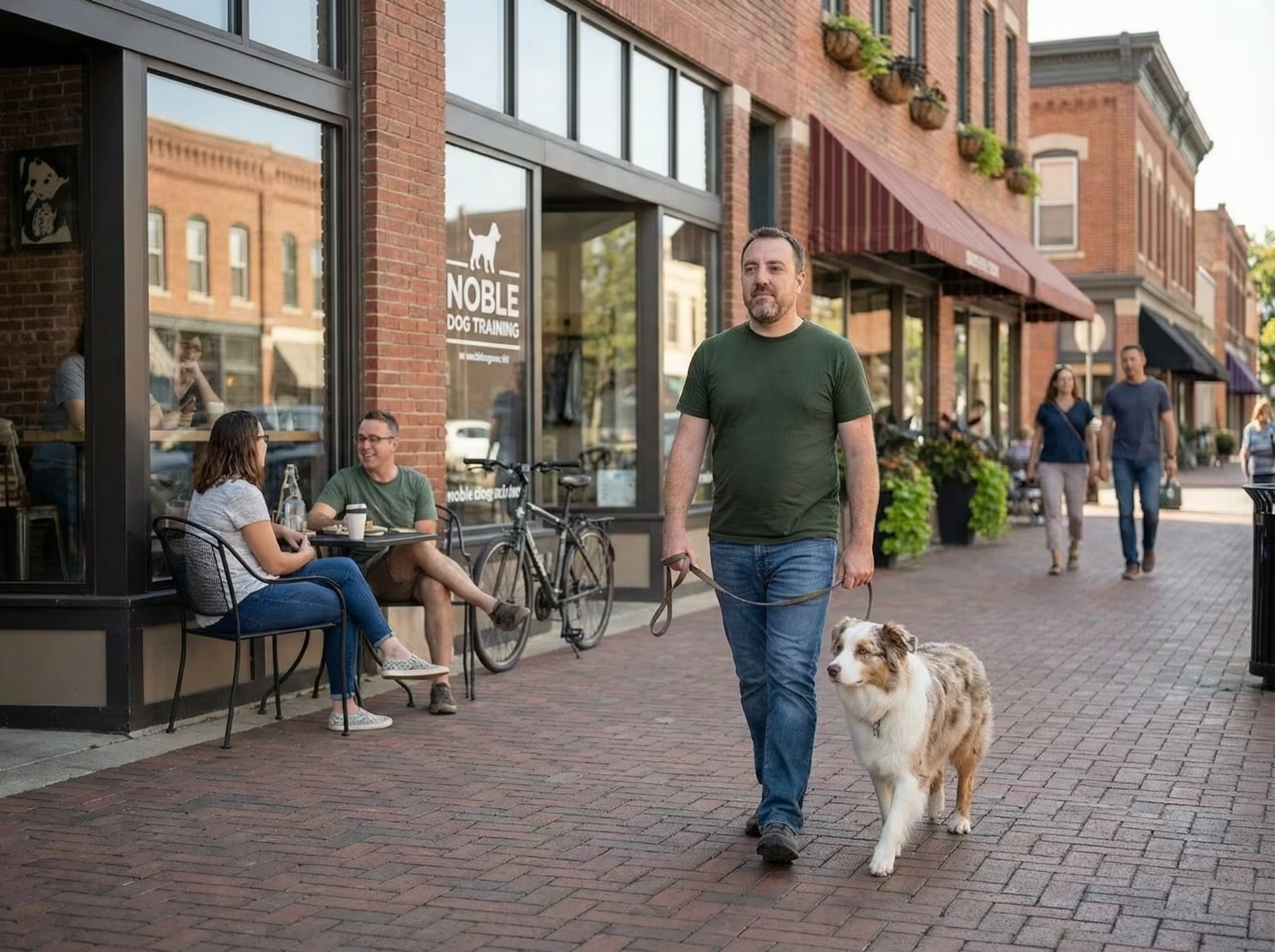
Confidence & Maintenance
Final sessions ensure pulling doesn’t resurface when you walk alone without trainer support. We practice—different family members walking, various times of day, new locations.
Outcomes You Can Expect
Calmer walks and outings
fewer outbursts and faster recovery when surprises happen.

Confident, social dogs
Curious and composed, relax at home, and can navigate new places easily.

Safer, predictable behavior
improvement in public handling, eye contact, and response to cues
Complimentary 30 min in-home visit

Key Leash Pulling
skills we teach
Your dog learns to walk calmly beside you through attention and impulse control—not force or suppression. Dogs at any age can master loose leash walking through our trust-first methodology that builds engagement and choice, creating calm walks you both enjoy.
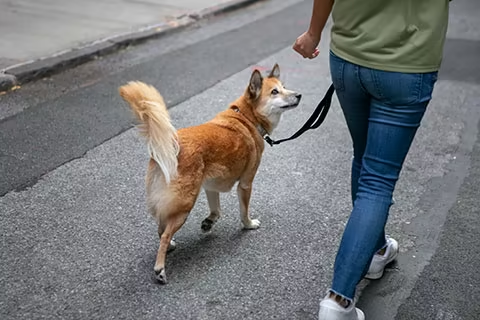
Attention & Communication on the Leash
Teaching your dog to check in with you periodically during walks instead of pulling mindlessly forward. Your dog learns: “Checking in with my person = good things happen.” This replaces constant pulling with partnership, and gives you control without constant correction.
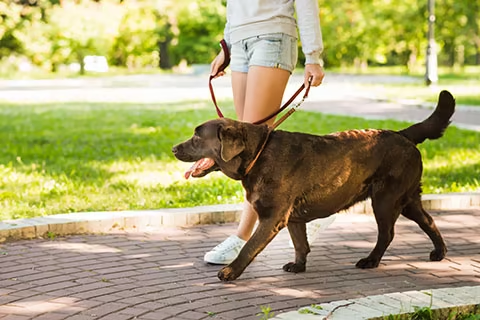
Loose-Leash Walking Position
Your dog learns to walk beside you or slightly ahead with a completely slack leash—not straining, not choking, just relaxed walking together. This is the visual proof of transformation: slack leash = happy dog, happy owner, sustainable walks.
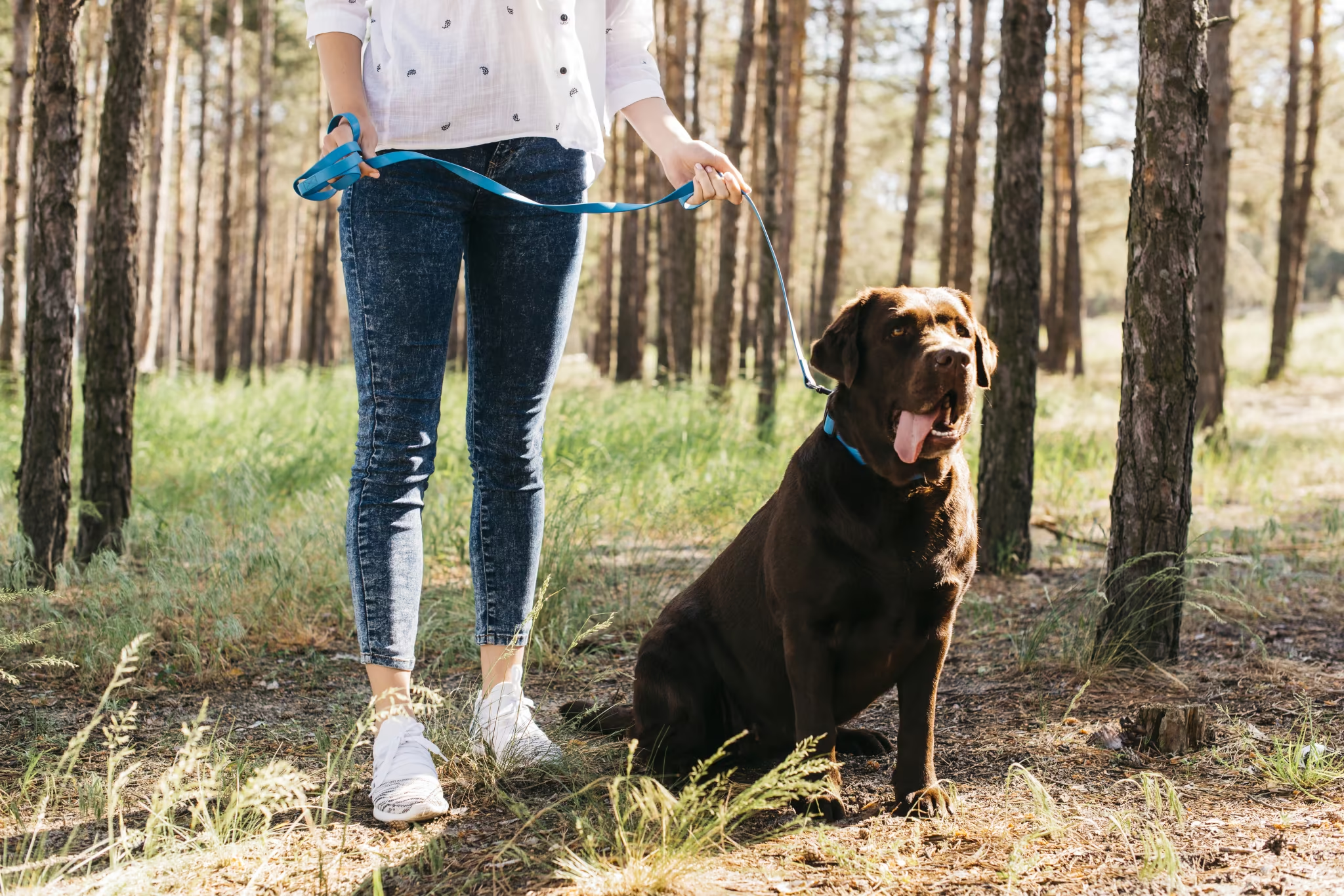
Managing Distractions Without Pulling
Squirrels, other dogs, interesting smells, and busy environments don’t trigger pulling or lunging. Your dog notices distractions but doesn’t react—they stay calm and responsive to you, even when temptation is everywhere.

Real-World Confidence & Reliability
Your dog walks calmly through parks, neighborhoods, breweries, and community events. You confidently take them everywhere because you trust their leash manners. No more avoiding walks, no more embarrassment, no more physical pain—just freedom to enjoy your dog again.
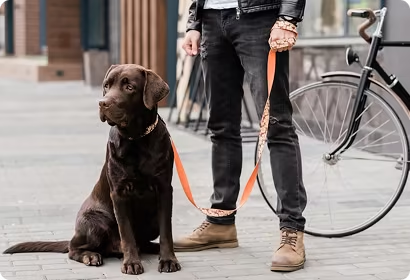
Directional Changes & Follow-Through
Your dog learns to follow your lead when you change direction—no more fighting to go straight while you turn left. This skill builds responsive communication and prevents the constant tug-of-war. Your dog realizes: “Following my person’s direction = we get where we’re going faster and more fun.”
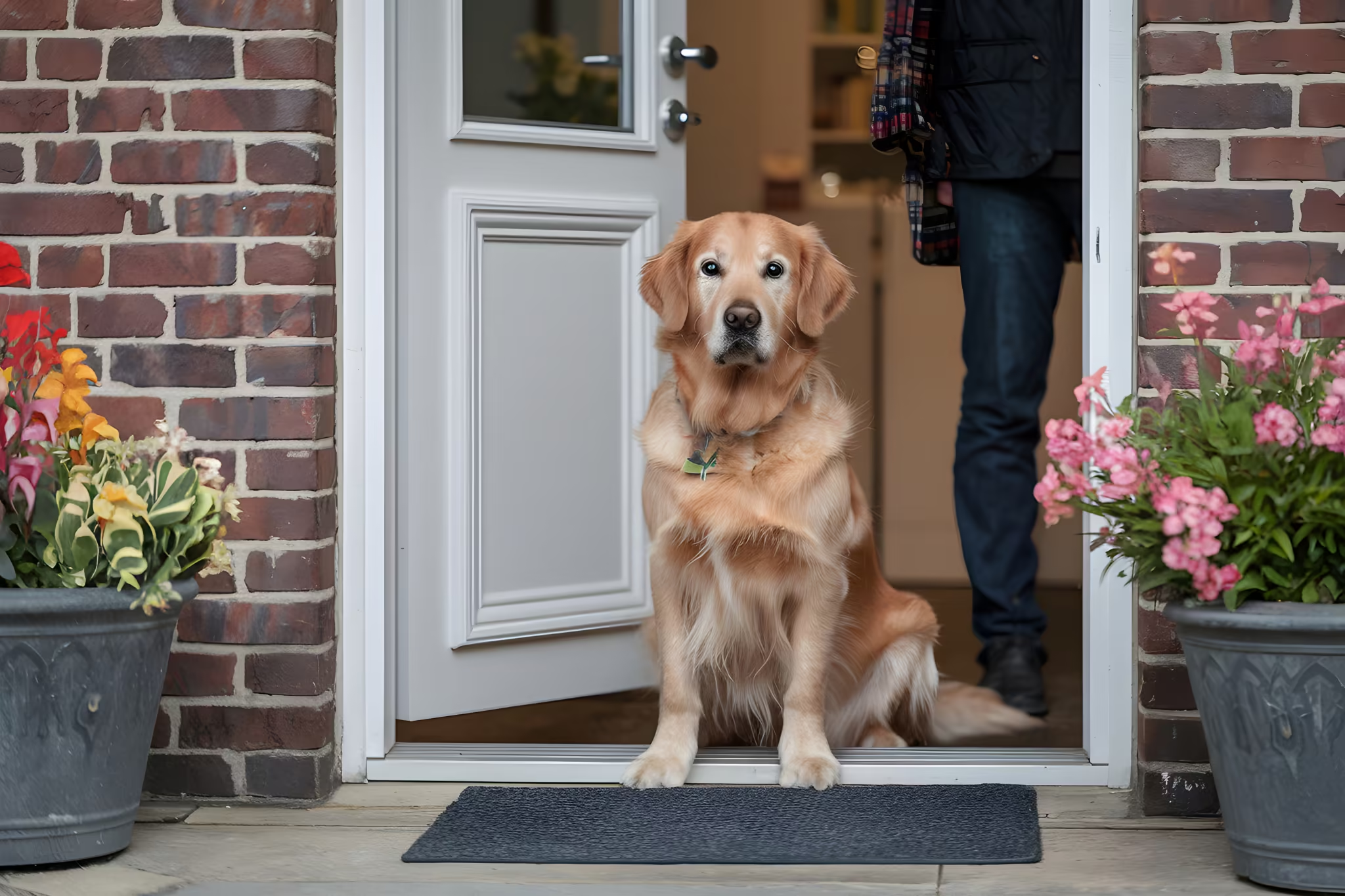
Impulse Control at Doorways & Thresholds
Doorways trigger excitement and pulling for many dogs. We teach impulse control so your dog doesn’t explode through the door on walks or at home. They learn to wait for your signal, which creates calm departures and safer entries (no bolting into traffic, no jumping on guests).
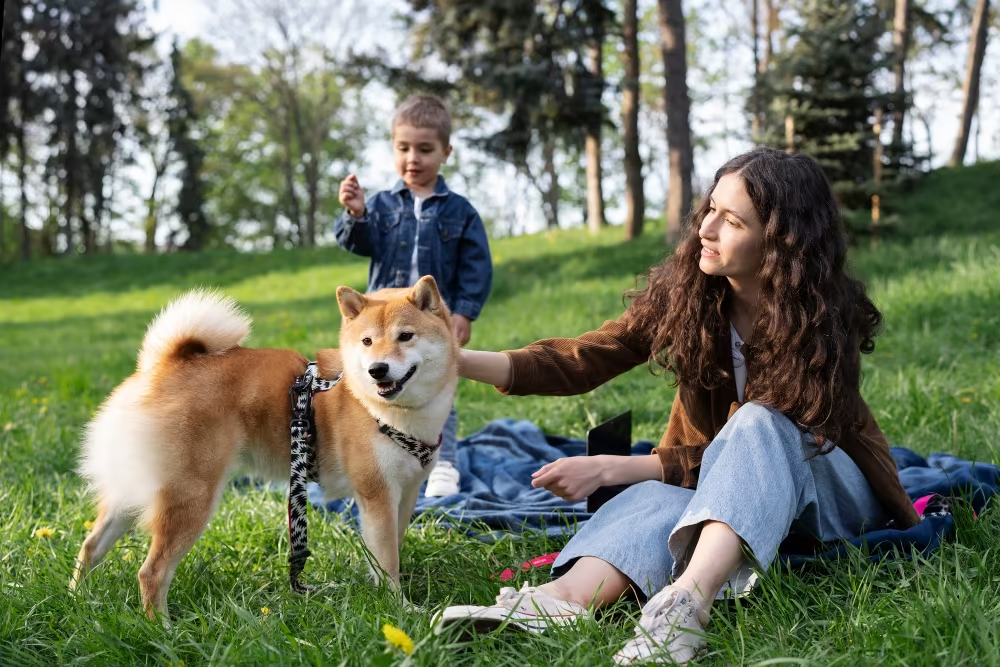
Calm Settling During Stop-Moments
Not every moment is movement. We teach your dog to settle calmly when you pause—at intersections, waiting for friends, sitting at an outdoor café. A dog that can settle is a dog that’s welcome everywhere, dramatically expanding where you can take them.
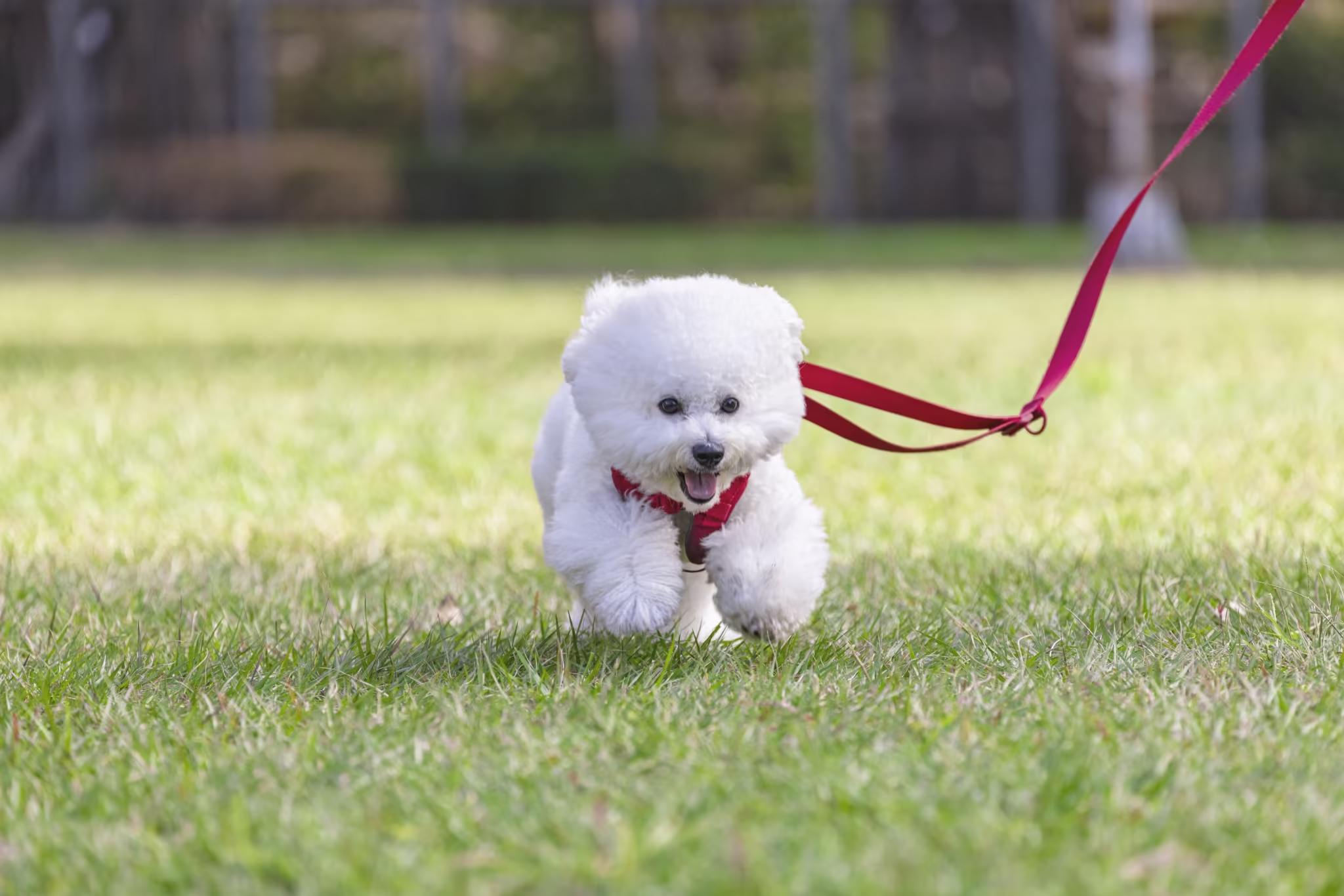
Long-Line Freedom with Boundaries
As your dog masters leash skills, we introduce a longer line (10-15 feet) that gives them more exploration freedom while maintaining your control. This builds the foundation for eventual off-leash reliability and shows your dog they can have fun AND stay connected to you.

Take our 3-minute survey
so we can tailor your consultation
Attention & Communication on the Leash
Your dog learns to walk calmly beside you through structured dog training for leash pulling and loose leash walking training—building attention, impulse control, and calm behavior without force.
Loose-Leash Walking Position
Your dog learns proper positioning through loose leash walking training—walking beside you with a relaxed leash and no pulling.
Managing Distractions Without Pulling
Your dog learns proper positioning through loose leash walking training—walking beside you with a relaxed leash and no pulling.
Real-World Confidence & Reliability
Your dog learns to stay calm around distractions through dog training loose leash walking methods—reducing pulling and reactive behavior.
Directional Changes & Follow-Through
Your dog learns to follow your direction without resistance—strengthening loose leash walking training and preventing constant pulling.
Impulse Control Around Tempting Items
Doorways trigger excitement and pulling for many dogs. Through structured dog training for leash pulling, your dog learns impulse control—waiting calmly instead of rushing or pulling through thresholds.
Calm Settling During Stop-Moments
Doorways trigger excitement and pulling for many dogs. Through structured dog training for leash pulling, your dog learns impulse control—waiting calmly instead of rushing or pulling through thresholds.
Long-Line Freedom with Boundaries
As your dog progresses, we introduce long-line work to build advanced loose leash walking training and off-leash reliability—while maintaining control and connection.
Take our 3-minute survey
so we can tailor your consultation

Why Marquis Dog Training

Certified, experience-backed training
Your trainer is an AKC Canine Good Citizen Evaluator with positive reinforcement training and canine attention development, with specialized experience teaching loose leash walking for all breeds—from small excitable terriers to powerful working dogs requiring advanced impulse control protocols.

Engagement-Focused Training Philosophy
Benny’s approach builds voluntary attention and impulse control—dogs choose to walk calmly because they’re engaged with owners, not suppressed by equipment. No prong collars, choke chains, or corrections.

Clear standards and follow-through
If we set a goal, we keep it. You get specific milestones for your dog’s Obedience Leash Pulling progress and honest guidance if reactive dog training or longer support is recommended.
Complimentary 30 min in-home visit
Success stories
Three Essential Steps to Loose-Leash Walking
Prevention and enrichment strategies that actually work

Immediate control that makes training possible
A front-clip harness paired with the “stop-start” method changes everything. When your dog pulls, they don’t move forward—they naturally turn toward you. Combined with proper leash length (6 feet, not retractable), you’ve created an environment where pulling doesn’t work.

Start small, build confidence in real environments
Loose Park or quiet neighborhood (low distractions, build foundation), Corporate Woods or Roe Park (moderate traffic, varied terrain), Breweries with patios (real-world calm settling practice)

Muscle memory works both ways – for you and your dog
One training session per week won’t work. Your dog needs 5-10 minute practice walks daily to build the new habit.
Ready to rebuild confidence?
Complimentary 30 min in-home visit




AI Summary
The reviews for the training service highlight a number of strengths, particularly the effectiveness of the training methods and the positive transfor…
Powered by Marquis Dog Training
Why Kansas City Families Trust Us for Leash Pulling Training
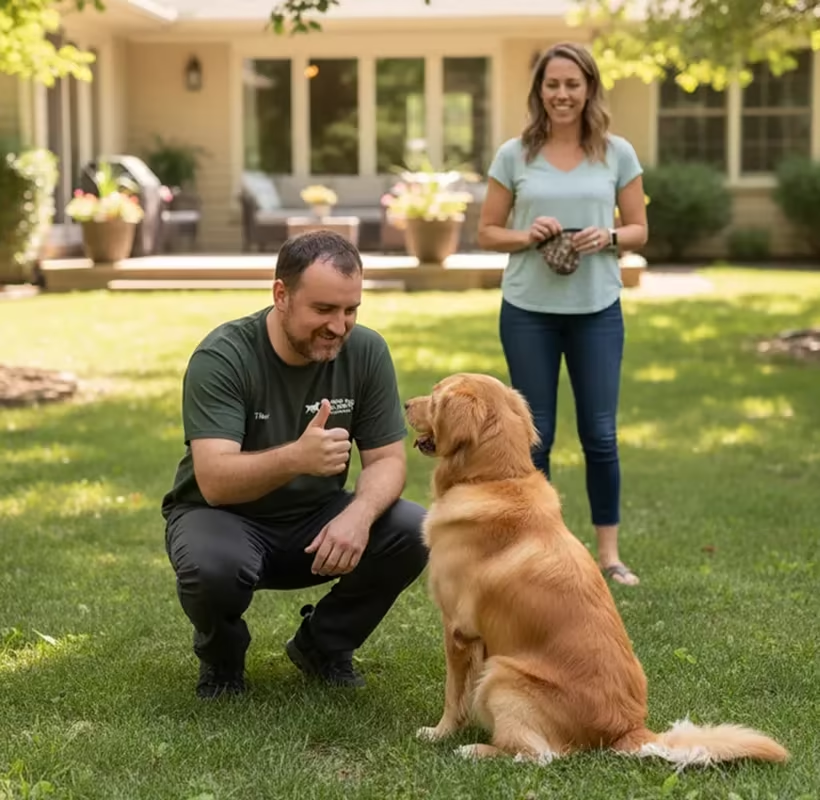
In-Home Convenience + Real-World Results
We bring training directly to your home and the places you actually walk. No sterile training facilities, no guessing what your dog does on your street.
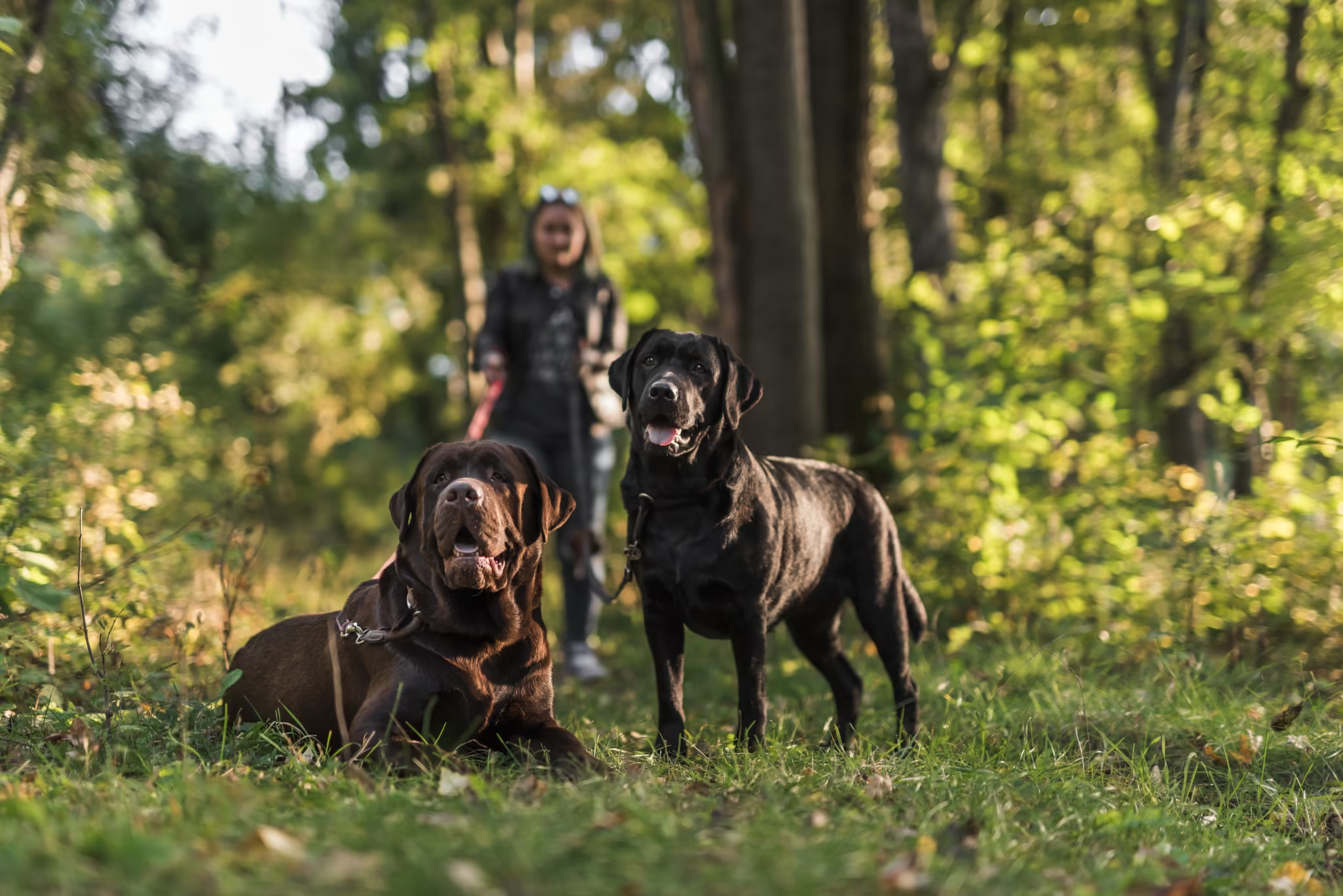
Leash Reactivity Specialization
Does your dog pull AND react to other dogs? We specialize in the overlap. While other trainers only teach “loose leash,” we address the why behind pulling—fear, reactivity, over-excitement.
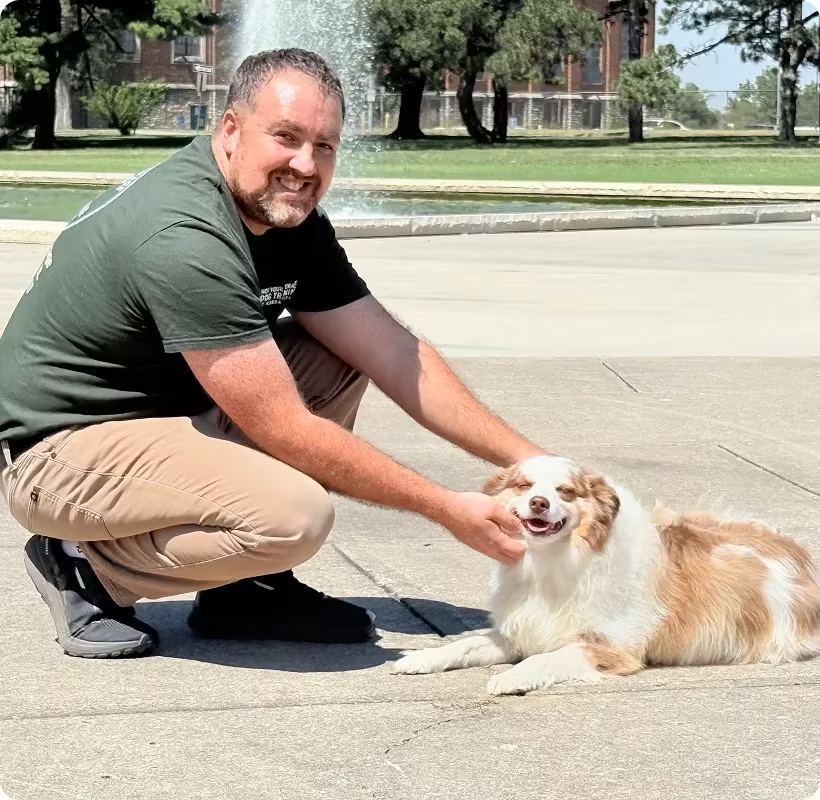
Certified Trainer + Real Success Stories
Certified trainers with years of hands-on experience. Real families, real transformations. Our clients report calm, confident dogs and—honestly—their own shoulder pain disappearing.
What Your Leash Training Results
Look Like

Equipment transforms control
Dog no longer pulls at the end of the leash—right-fitted harness changes the physics immediately
Owner confidence grows fast
You stop dreading walks. Your shoulder pain decreases. You’re actually enjoying your dog
First calm walks appear
Short periods of loose-leash walking. Not perfect yet, but unmistakable progress
Real-world testing begins
Your dog stays calmer around distractions (passing dogs, squirrels, busy streets)
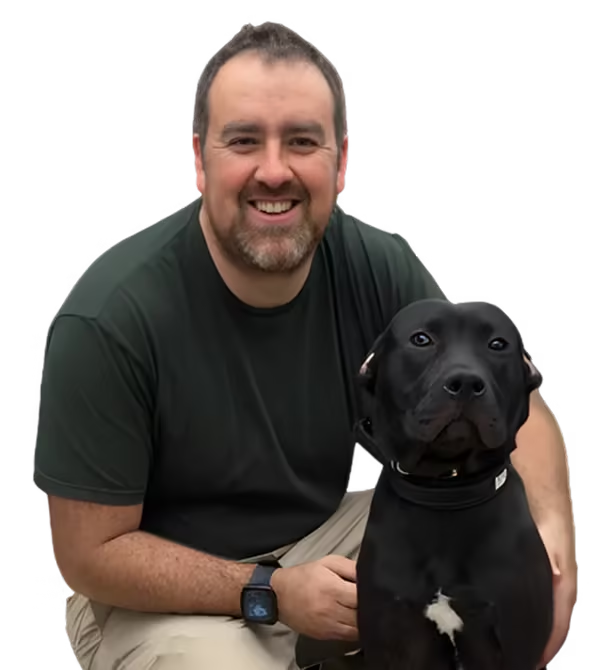
Benny S.
Founder
We come to you across Kansas City Metro cities
Frequently asked questions
Is leash training right for my dog’s breed or pulling severity?
Yes. We successfully train all breeds and pulling intensities—from small dogs who tug occasionally to 100-pound dogs pulling with full force. Strong breeds (Labs, German Shepherds, Huskies, Pitbulls) require different management during training but respond to the same attention and impulse control foundations. Severity determines timeline—mild pulling resolves in 2-3 weeks; severe, reinforced habits may require 6-8 weeks—but all dogs can learn loose leash walking regardless of starting point.
How long does it take to stop leash pulling completely?
Most families see 50-70% pulling reduction within 2-3 weeks as attention training and impulse control foundations develop. Full loose leash reliability typically requires 4-8 weeks depending on pulling severity, consistency practicing, and distraction levels you encounter. Dogs with years of reinforced pulling habits or high prey drive may need 8-12 weeks for complete reliability in all environments. Success depends on your consistency—we provide training protocols; you practice them daily between sessions.
What equipment do you recommend to stop pulling?
Equipment manages pulling—training eliminates it. We typically recommend front-clip harnesses during training (reduces pulling leverage without pain) but focus on teaching attention and impulse control so your dog doesn’t pull regardless of equipment. Goal: reliable loose leash walking on standard collar/harness, not dependence on special tools. Prong collars, choke chains, and corrections suppress pulling temporarily through discomfort—they don’t teach what you want, often worsen anxiety, and create equipment-dependent dogs who pull whenever corrections aren’t applied.
Can you guarantee my dog will stop pulling completely?
We guarantee effort, expertise, and a proven attention-training protocol—not perfection, because occasional pulling happens during extreme excitement or when training lapses. That said, 80% of clients achieve consistent loose leash walking within 6-8 weeks when practicing protocols daily. Success requires your commitment to daily practice—we provide training roadmap and troubleshooting support; you execute exercises consistently between sessions to build lasting habits.
My dog only pulls when excited by squirrels/other dogs. Can you fix specific triggers?
Yes. Trigger-specific pulling requires impulse control training—teaching your dog to resist lunging toward high-value distractions (prey, other dogs, people). We use progressive exposure: practicing attention and self-control at gradually decreasing distances from triggers until your dog can maintain loose leash even when squirrels run past or dogs approach. Timeline depends on trigger intensity—mild distractions resolve in 3-4 weeks; severe prey drive or dog reactivity may require 8-12 weeks of systematic desensitization.
Should I use a front-clip harness, head halter, or prong collar?
It depends, but we assess this during your free consultation.
Most dogs benefit from:
- Front-clip harness ($20-40) – highly recommended, game-changer
- 6-foot fixed leash (not retractable)
- Proper harness fit (many people use wrong size)
Some dogs with specific needs may need different equipment. We’ll show you exactly what will help your dog most.
- No special/expensive equipment required
- Harness fit matters more than brand
- We recommend specific, affordable options
- Equipment alone creates 30% improvement for many dogs
How much does leash training cost?
Loose-leash walking is covered in Family Training ($2,899). Leash reactivity toward other dogs is addressed in Freedom ($3,899). Your free assessment confirms which fits.
Can older dogs learn to stop pulling after years of the habit?
Yes. While puppies learn faster (behaviors aren’t deeply ingrained), adult dogs successfully learn loose leash walking regardless of age. Older dogs with years of reinforced pulling require patience—habits take 6-10 weeks to replace versus 3-4 weeks for young dogs—but the same attention and impulse control foundations work. Key: consistency. Practice daily between sessions to replace old pulling habits with new check-in behaviors. Age isn’t a barrier; commitment to practice determines success.
Will my dog still enjoy walks if pulling stops? I worry training will make them unhappy.
Properly trained loose leash walking doesn’t suppress your dog’s enjoyment—it teaches engagement with you while exploring. We use positive reinforcement: rewarding attention, calm walking, and check-ins, not punishing exploration. Your dog still sniffs, investigates, and enjoys walks—but on your terms, with permission, not dragging you uncontrollably. Most dogs enjoy walks MORE after training because stress (being corrected, hitting end of leash repeatedly) disappears, replaced by relaxed exploration with engaged owner interaction.
Ready for a calmer, happier home?
Let’s start with a complimentary in-home assessment. Please fill out our form so we can understand your dog’s needs and create a custom training plan.
Or call us:

We will help you choose the right program.
Book your assessment
"*" indicates required fields