
Dog Jumping Training in Kansas City
Polite Greetings Without Chaos
Transform overwhelming greetings into calm, controlled interactions—ending embarrassment and keeping family and guests safe. Book your complimentary 30-minute in-home assessment today—limited slots available this week.
Train Your Dog to Stop Jumping & Greet Calmly
The Embarrassment and Danger of Constant Jumping
Why Dog Jumping Ruins Social Situations—And Why It Matters
Your dog jumps on every visitor—turning greetings into chaos. This is where structured dog jumping training becomes essential to teach calm, controlled behavior. Your dog knocks over children, scratches skin, sends elderly relatives stumbling backward. You apologize constantly—at the door, at parks, during vet visits. You’ve tried yelling “no,” pushing your dog down, turning away—nothing creates lasting change. The bigger or more energetic your dog, the more dangerous jumping becomes. You fear liability if someone gets injured, dread having guests over, and feel isolated because your dog’s greeting behavior is unmanageable. Your dog jumps on every visitor—turning greetings into chaos. This is where structured dog jumping training becomes essential to teach calm, controlled behavior.
Left unaddressed, jumping behavior escalates. Without proper dog jumping training, greetings remain stressful, unpredictable, and even unsafe. Your dog doesn’t understand why sometimes people pet them when jumping (excited children, forgiving guests) but other times you get angry. Inconsistent responses create confusion, making training harder. Social consequences worsen—friends stop visiting, family events become stressful, your dog misses socialization opportunities. Safety risks escalate as your dog grows stronger, potentially causing serious injury to vulnerable individuals or creating liability exposure.
Common Dog Jumping Challenges:
- Dog Jumping Training for Overexcited, High-Energy Dogs– Your dog’s enthusiasm is endearing but overwhelming—they jump uncontrollably when excited, can’t settle during greetings, and lack impulse control when arousal spikes. Energy isn’t the problem; unmanaged excitement expression is.
- How to Train Dog Not to Jump on Children, Elderly & Guests – Your dog targets specific people—children at face level, elderly who seem unstable, guests who react strongly. Jumping becomes dangerous when victims can’t physically handle the impact, creating injury risk and liability concerns beyond mere inconvenience.
- Jumping Behavior Training to Maintain Friendly Personality – You want polite greetings without suppressing your dog’s affectionate nature. The goal isn’t eliminating enthusiasm—it’s teaching appropriate expression that doesn’t involve physical contact until given permission, preserving your dog’s loving temperament while ensuring safety.
Our Trust-First Solution
How We Stop Dog Jumping on People Through Alternative Behaviors
Traditional approaches—yelling “no,” pushing dogs down, kneeing them—address jumping reactively without teaching what you actually want: a dog who greets calmly by sitting or standing politely. At Marquis Dog Training, our dog jumping solutions build impulse control, teach incompatible alternative behaviors (can’t jump while sitting), and create greeting protocols that satisfy your dog’s need for interaction without physical jumping.
We work in your home with real visitors, practicing in situations where jumping actually happens—at your front door, during family arrivals, with friends visiting—ensuring reliability transfers to real-world greeting scenarios.
Our Trust-First Method Approach Includes:
- Impulse Control & Excitement Management – Teaching your dog to control arousal when excited (doorbell rings, guests arrive, family comes home), managing emotional spikes before jumping happens
- Alternative Greeting Protocol Training – Installing “sit to greet” or “four paws on floor” behaviors—physically incompatible with jumping—that satisfy interaction needs appropriately while earning attention and affection
- Attention Management for Jumping Extinction – Training all household members and visitors to ignore jumping completely (no eye contact, touch, or words) while immediately rewarding calm behavior, removing reinforcement that maintains jumping
- Threshold & Doorway Control – Building calm door greetings through structured entry protocols, managing excitement at the moment visitors arrive when jumping typically occurs, preventing the behavior before it starts

Our Proven Process
How Our Trust-First Method Works
In-Home Assessment
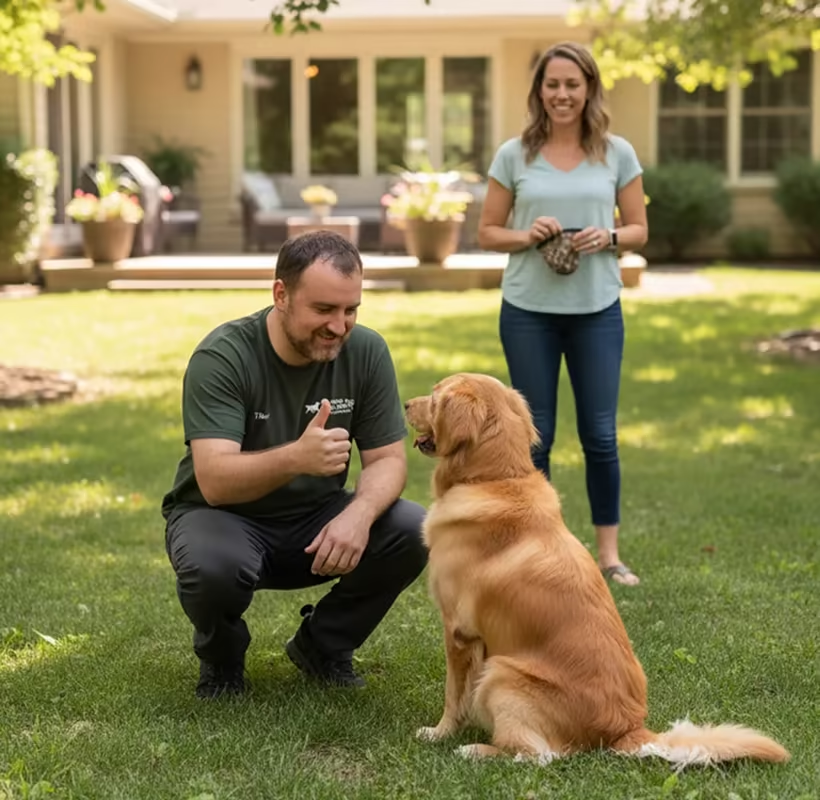
We observe jumping triggers—doorbell, arrivals, children, or specific guests—and current household responses.
Foundation Skills at Home
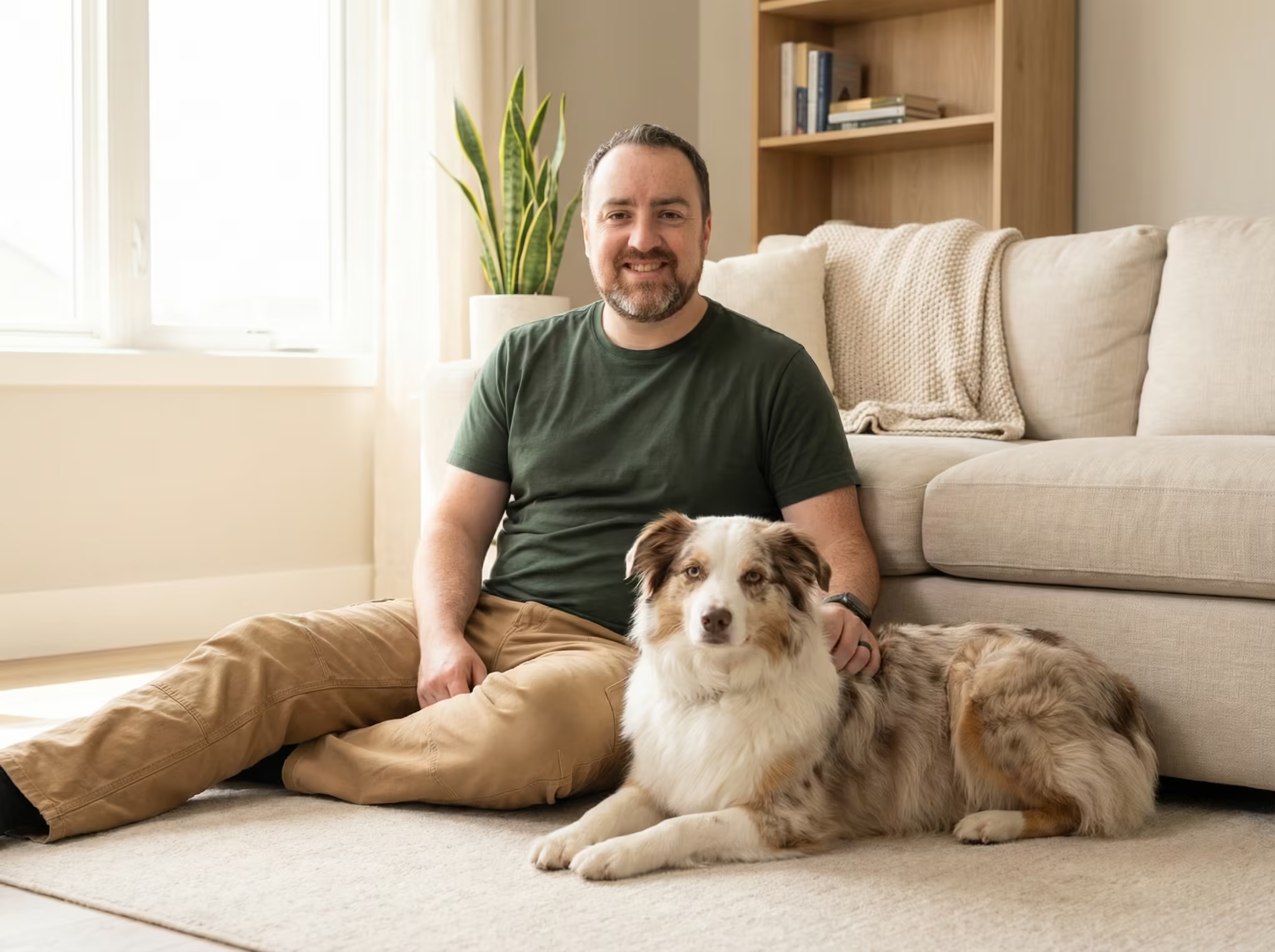
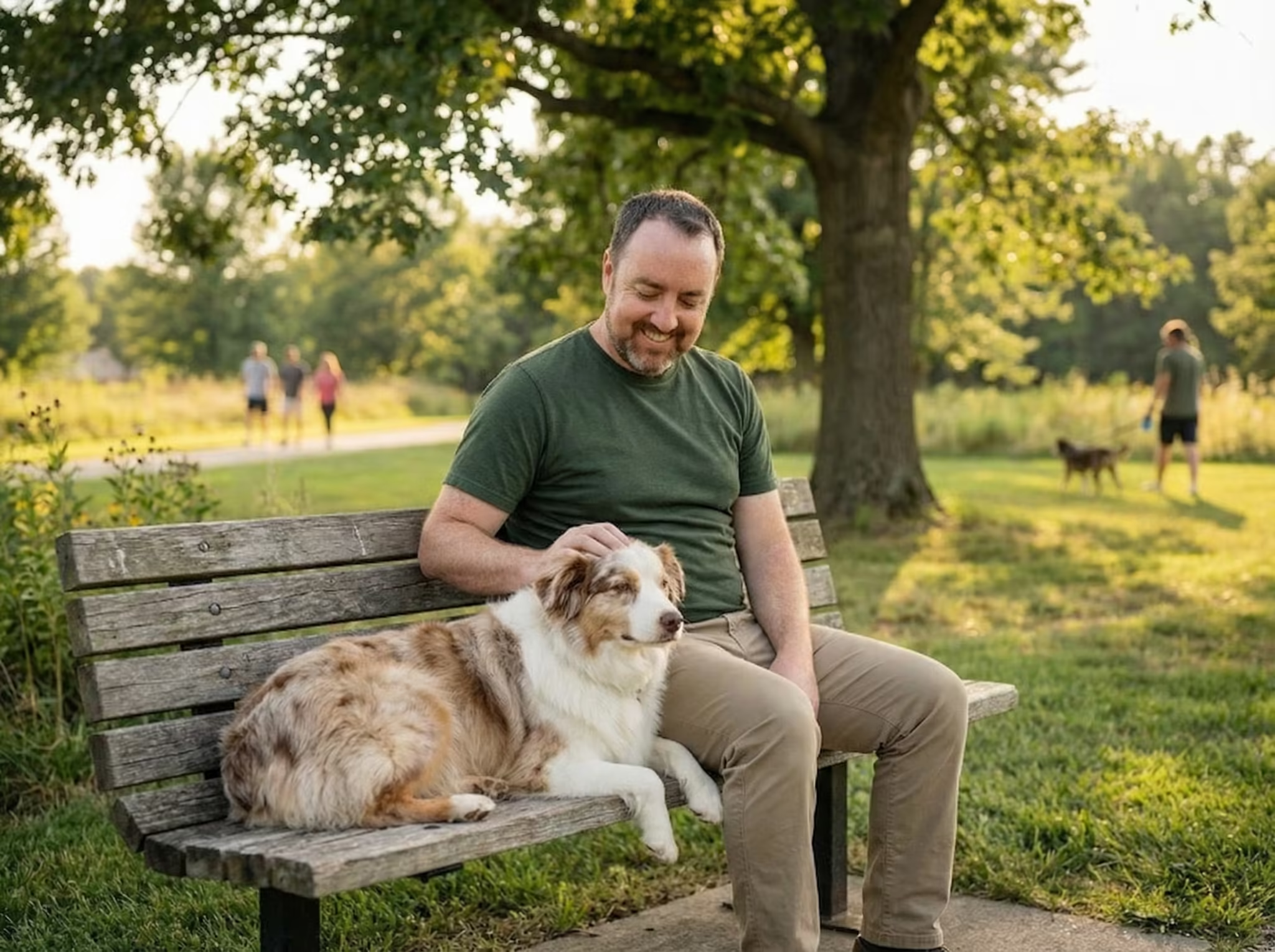
We teach your dog to sit for all interactions (meals, leashing, door opening, attention). Sitting becomes your dog’s automatic way to get what they want
Controlled Exposure Sessions
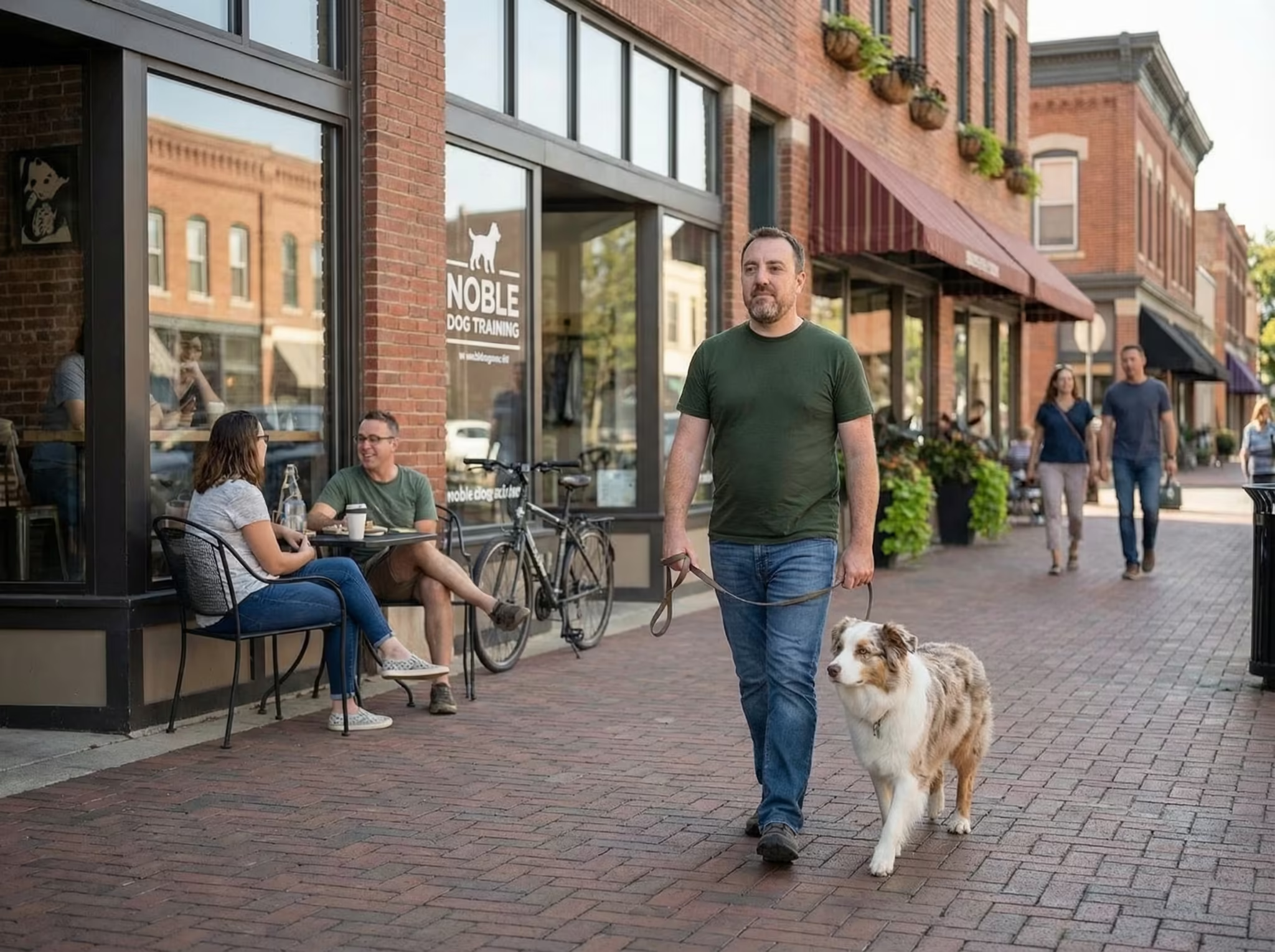
Practice with real guests—friends, family, neighbors—who follow simple rules: ignore jumping, reward calm. We gradually increase difficulty for reliability
Maintenance for Lasting Results
You’ll gain the confidence to manage greetings alone, with consistent results across the whole family and in any KC setting.
Outcomes You Can Expect
Jumping Reduction
Chaos at the door becomes calm interaction.

Welcome Guests
Visitors feel comfortable; kids and elderly are safe.

Restore Your So
No more embarrassment or isolation—enjoy gatherings again.
Complimentary 30 min in-home visit

Key Dog Jumping Training skills we teach
Jumping may feel cute as a puppy but quickly becomes unsafe. Our dog jumping training teaches calm, polite greetings so you can train your dog not to jump and build consistent, controlled behavior around people.
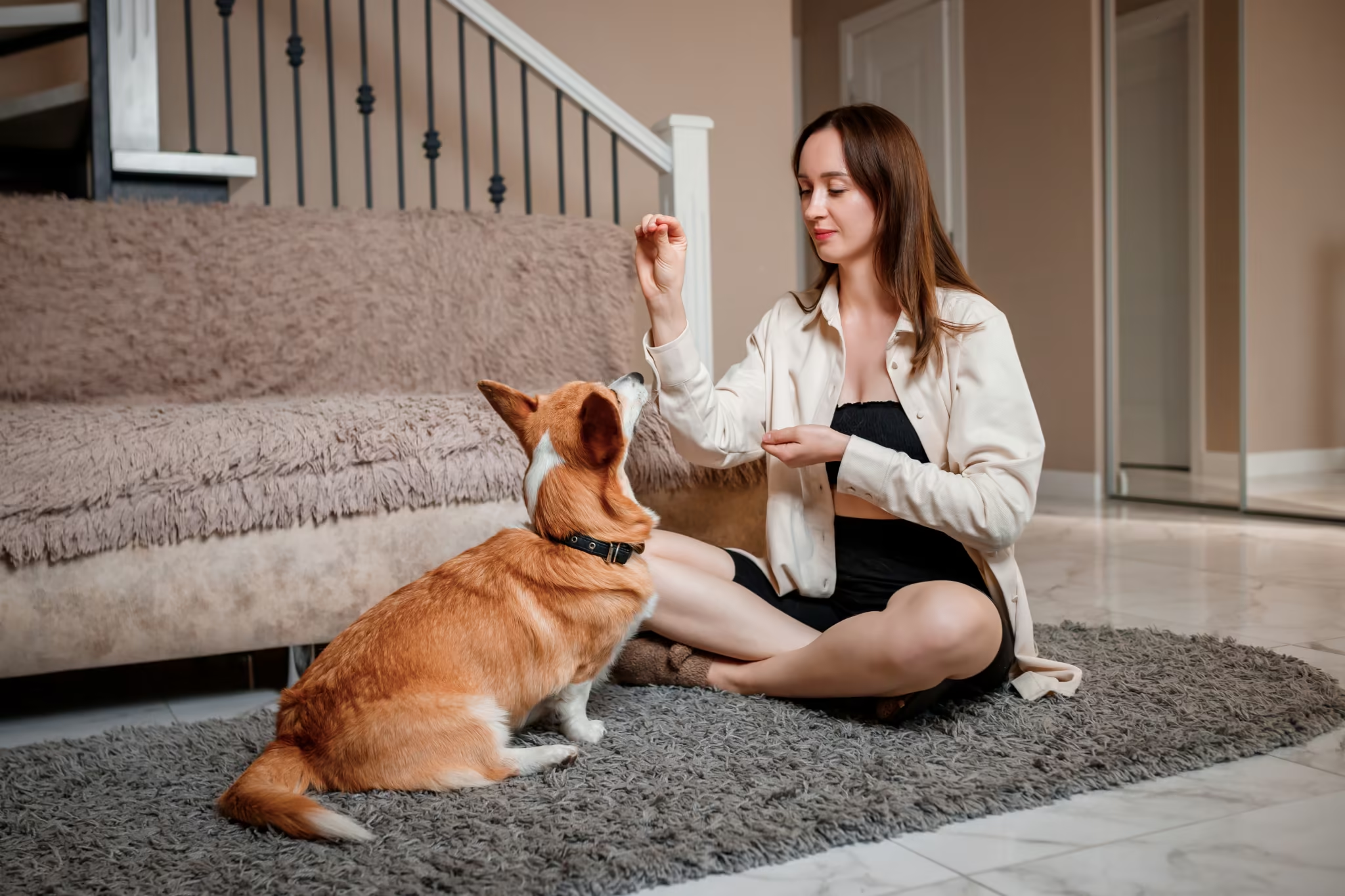
Sit at Greeting Time
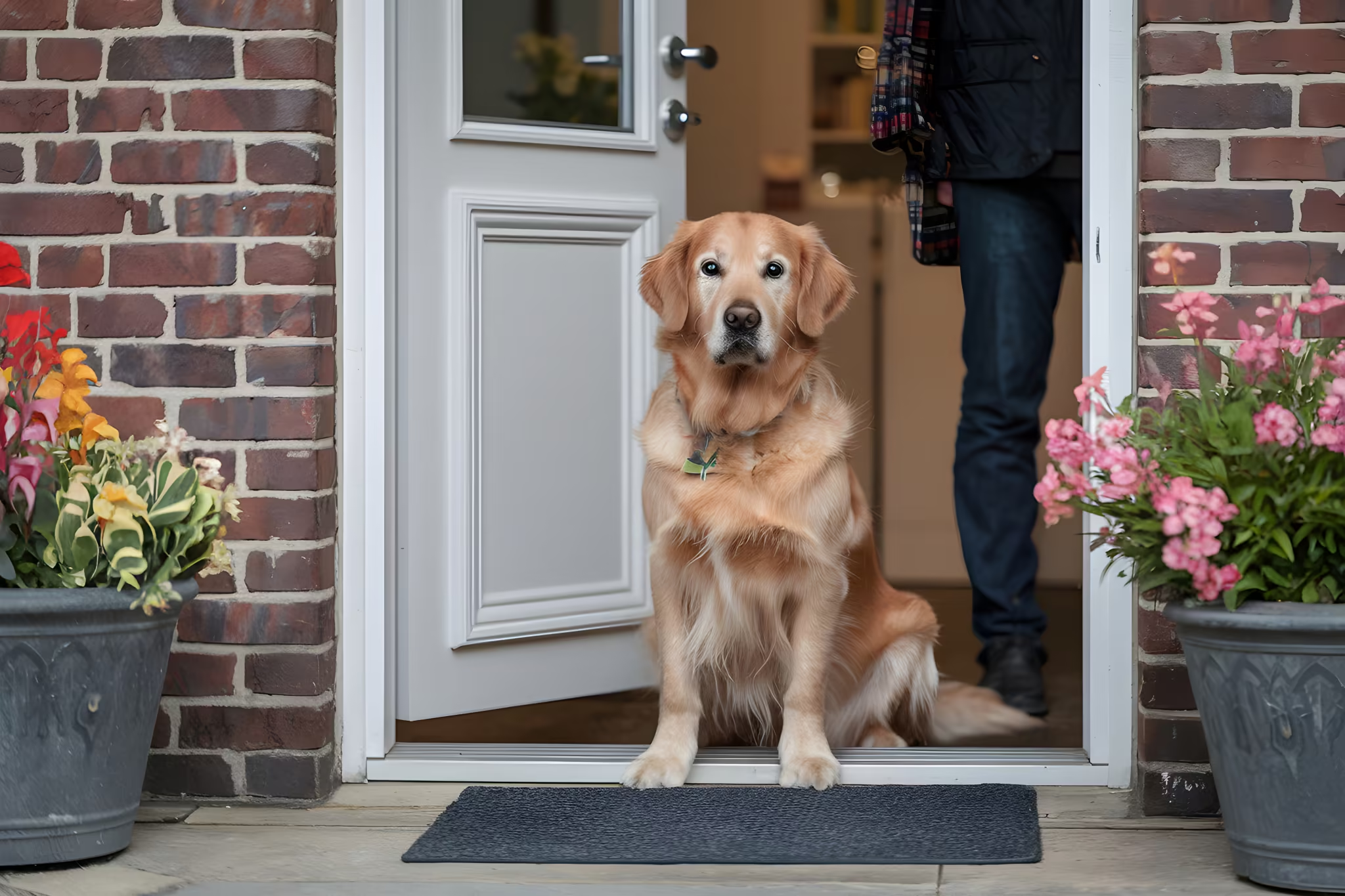
Your dog learns that sitting automatically gets attention and pets—jumping gets nothing. Sit becomes the go-to greeting behavior.
Wait & Impulse Control at Doors
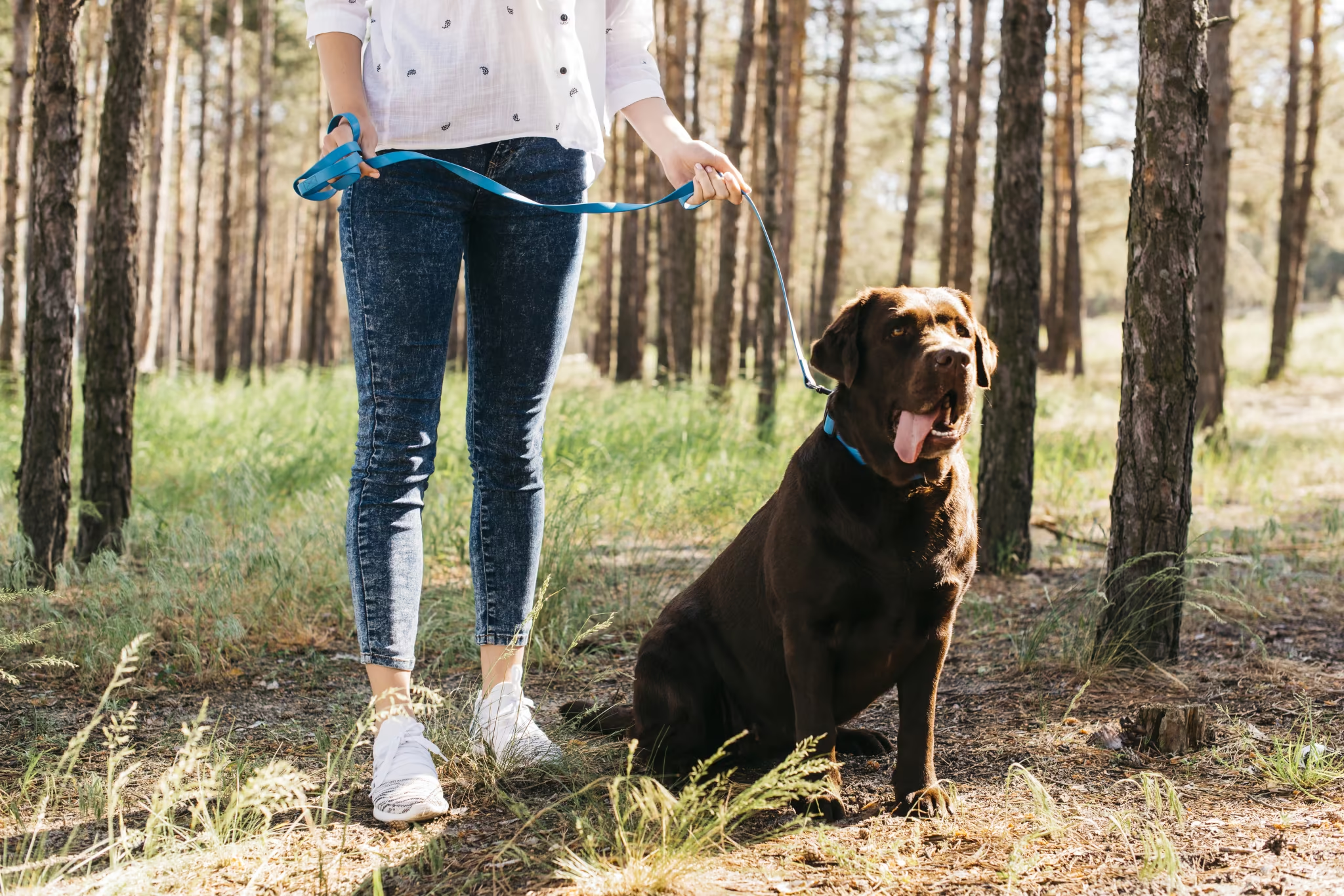
Your dog learns to walk beside you or slightly ahead with a completely slack leash—not straining, not choking, just relaxed walking together. This is the visual proof of transformation: slack leash = happy dog, happy owner, sustainable walks.
Place Command for Guest Management
Your dog learns a designated spot (bed, mat) where they settle during guest arrivals instead of jumping in excitement.
Calm Approach Protocol
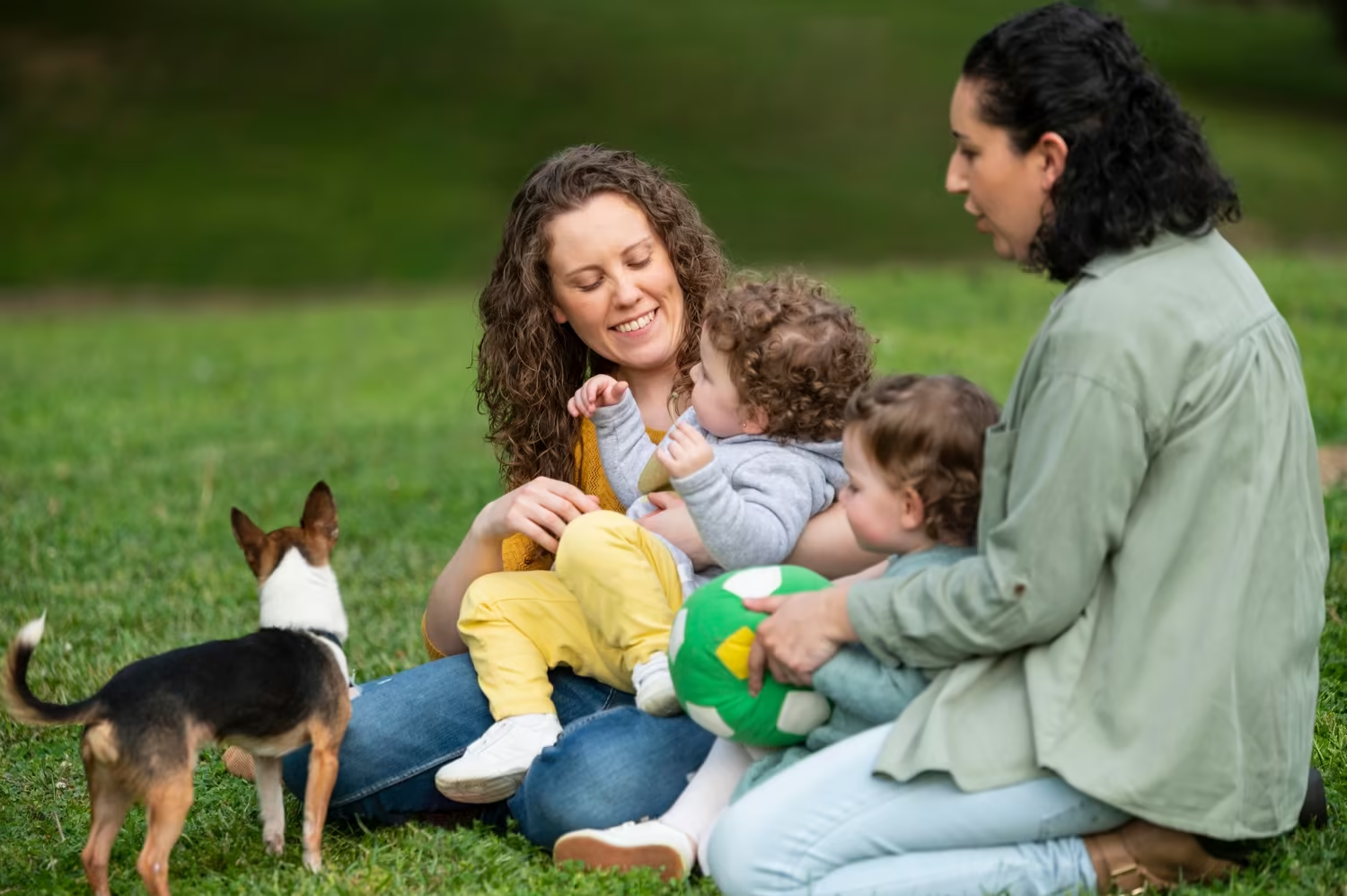
Your dog learns to approach people calmly with relaxed body language instead of explosive excitement and paws-up behavior.
Polite Physical Contact Boundaries
Your dog learns appropriate petting and leaning without jumping, jumping up with paws, or using body weight to knock people over.
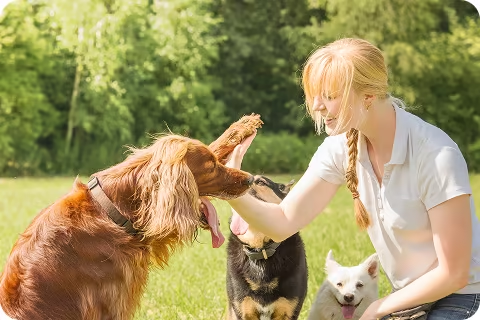
Greeting Redirection for Excited Dogs
When jumping urges arise, your dog knows to redirect to a toy or treat instead of seeking human contact through paws.
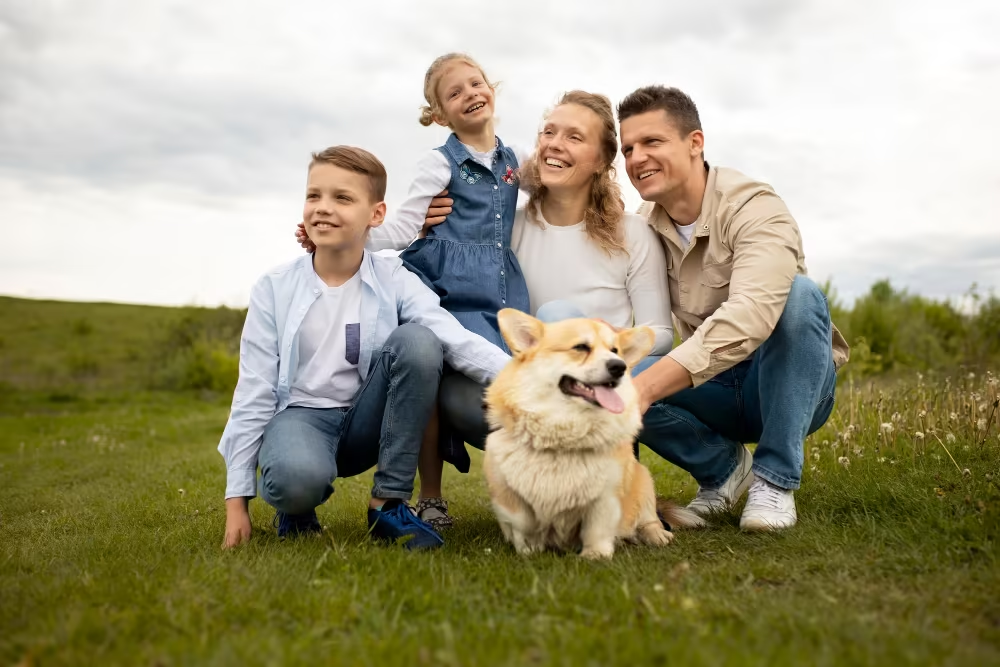
Consistency Across Multiple People
All family members, guests, and visitors use the same rules—so your dog’s calm greeting behavior is predictable and reliable everywhere.

Take our 3-minute survey
so we can tailor your consultation
Sit at Greeting Time
Your dog learns that sitting gets attention while jumping does not—helping train your dog not to jump during greetings.
Wait & Impulse Control at Doors
Your dog learns that sitting gets attention while jumping does not—helping train your dog not to jump during greetings.
Place Command for Guest Management
Your dog learns a “place” command to stay calm during guest arrivals—supporting structured dog jumping training and reducing excitement.
Calm Approach Protocol
Your dog learns how to approach people calmly—an essential part of training a dog not to jump on people.
Polite Physical Contact Boundaries
Your dog learns appropriate ways to interact without jumping—reinforcing dog jumping training and polite behavior.
Greeting Redirection for Excited Dogs
When jumping urges arise, your dog learns to redirect to toys or calm behaviors—an effective way to stop dog jumping without punishment.
Consistency Across Multiple People
Everyone follows the same structure—helping train your dog not to jump consistently, no matter who they greet.
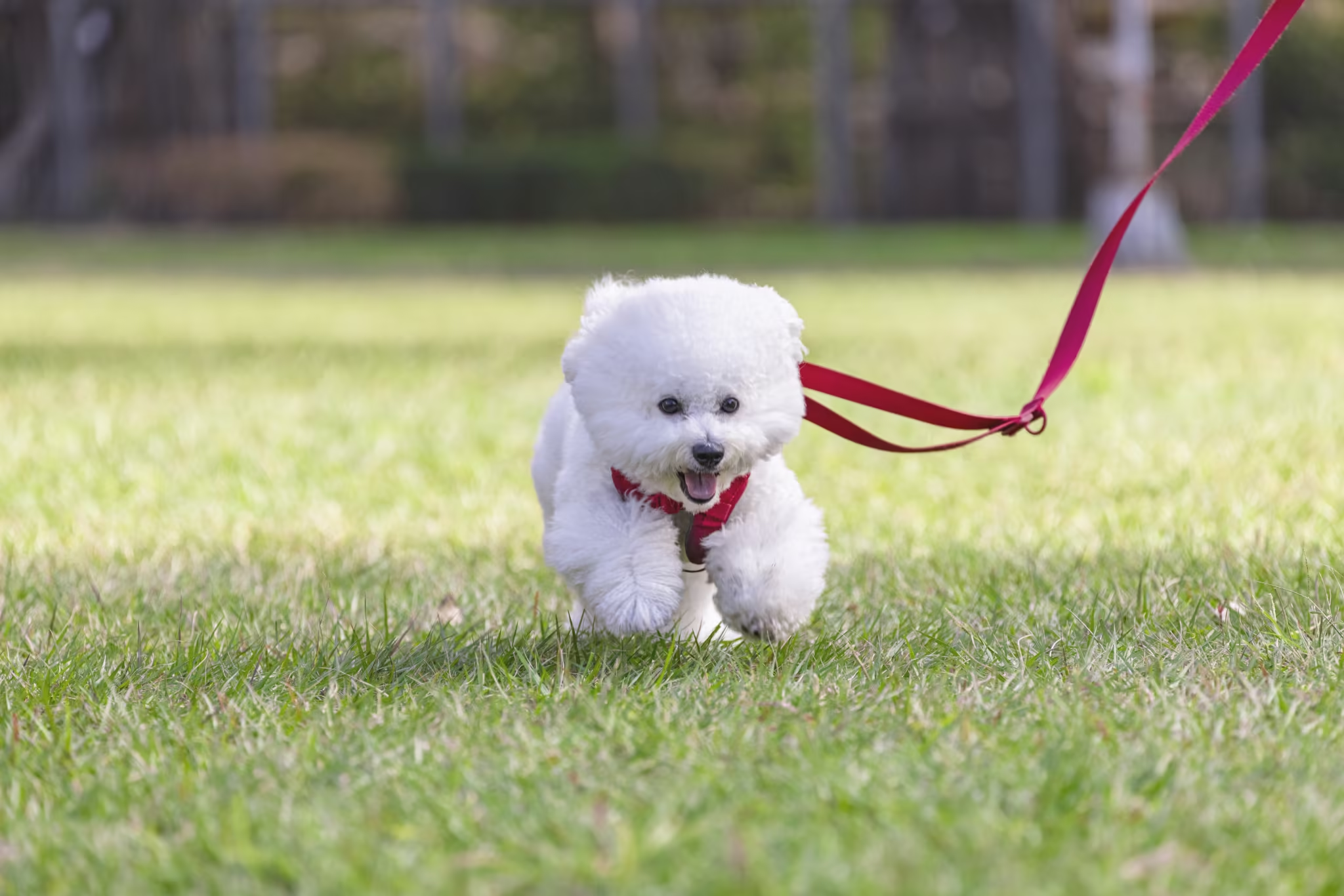
Long-Line Freedom with Boundaries
As your dog masters leash skills, we introduce a longer line (10-15 feet) that gives them more exploration freedom while maintaining your control. This builds the foundation for eventual off-leash reliability and shows your dog they can have fun AND stay connected to you.
Take our 3-minute survey
so we can tailor your consultation
Why Marquis Dog Training

Certified, Local Expertise
Work with a Kansas City-based AKC Canine Good Citizen Evaluator– not just a generic trainer.
Real-Life Reliability
We train in your home with your actual visitors, so your dog’s new greeting skills stick in real-world KC situations.

Trust-First, No Punishment
We never use harsh corrections. Instead, your dog learns to sit or stand politely for greetings-rewarded for calm, ignored for jumping.
Complimentary 30 min in-home visit
Success stories
Tips to teach polite greetings in Kansas City
Training a dog that’s welcome everywhere

Make sitting the default greeting behavior
Every single person interaction should reward sitting. Guest arrives? Ask for sit. Doorbell rings? Sit first, then greet. Consistent reward of sit over hundreds of interactions builds an automatic behavior.

Coach all family members to ignore jumping
Jumping gets ZERO attention—no talking, no touching, just turning away. Only sitting gets attention and pets. Consistency across everyone (no exceptions) teaches your dog the clear rule faster.

Practice with real people, not just family
Invite friends over specifically to practice greetings. Ask them to reward sitting and ignore jumping. Real practice with varied people teaches your dog this rule works everywhere, not just at home.
Ready to rebuild confidence?
Complimentary 30 min in-home visit




AI Summary
The reviews for the training service highlight a number of strengths, particularly the effectiveness of the training methods and the positive transfor…
Powered by Marquis Dog Training
Why Kansas City families trust us for jump training
Consistent, Whole-Family Training Protocol
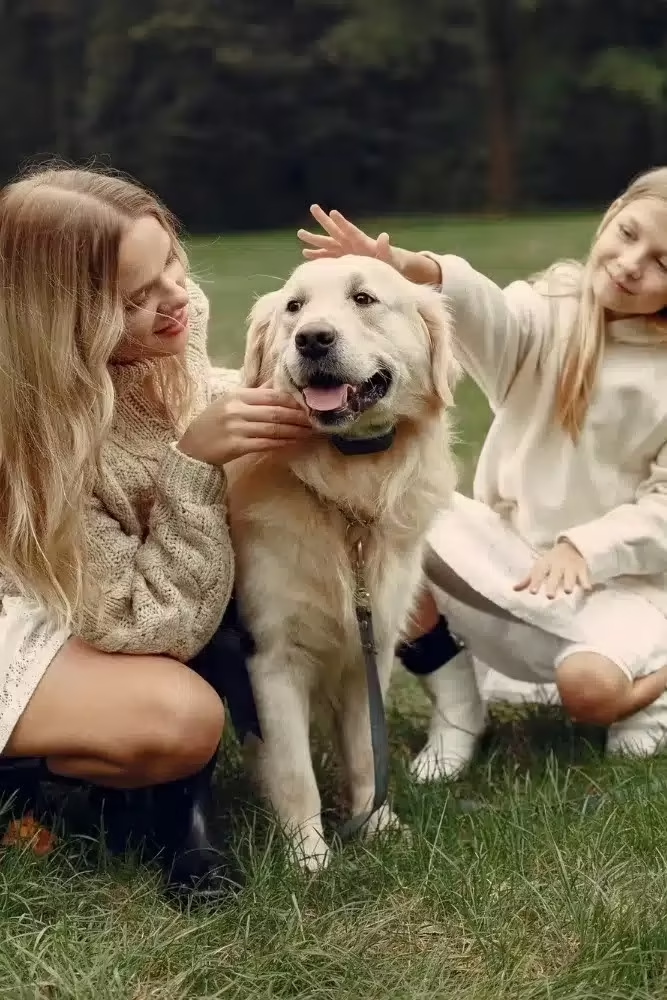
Jumping only stops if everyone reinforces the same rule every single time. We train your whole family (and coach visitors) so your dog gets the exact same message from everyone.
Teaching What TO DO, Not Just What NOT To Do
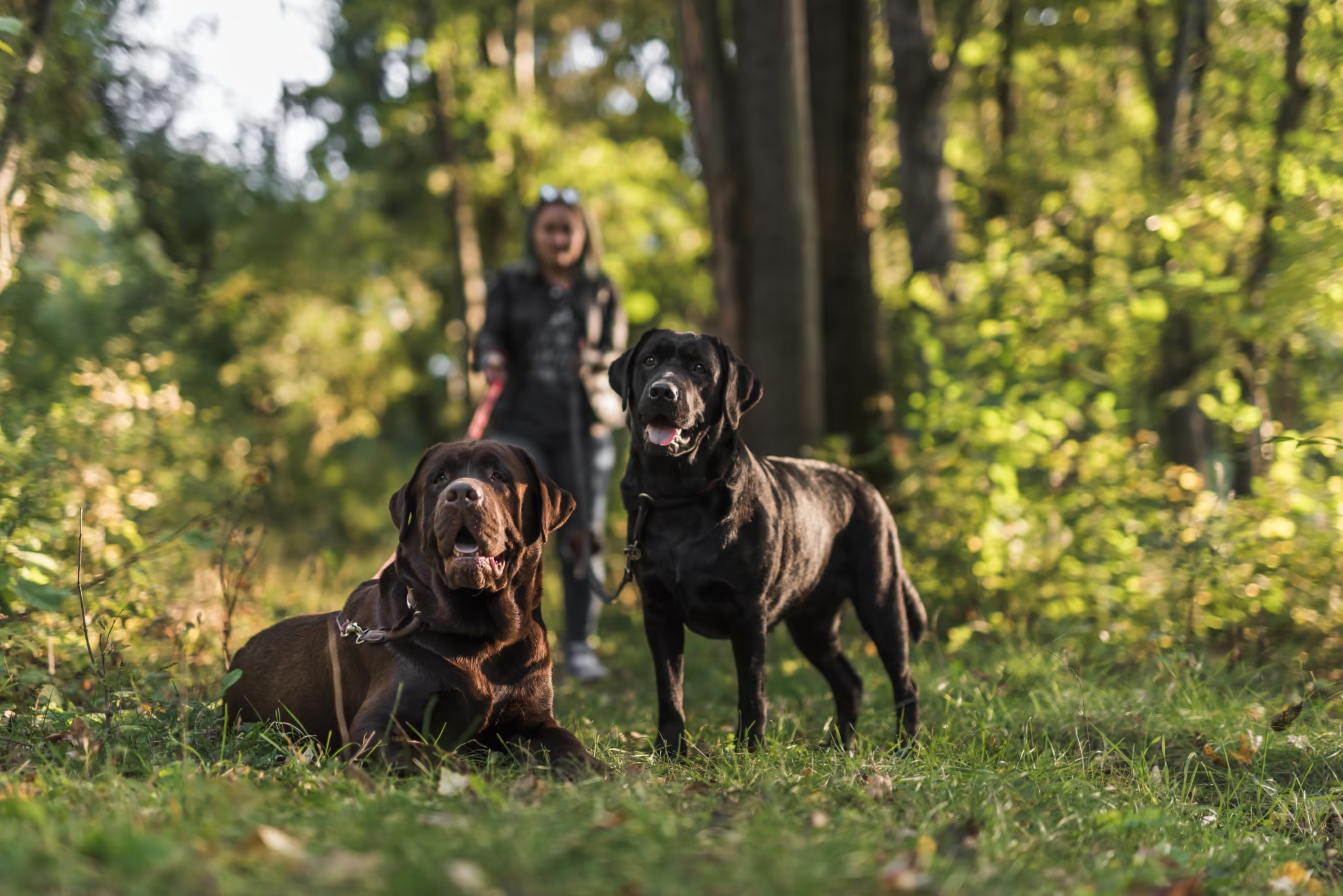
Instead of just punishing jumping, we build an automatic alternative—sitting for greetings. Your dog learns sitting gets the good stuff: attention, affection, interaction.
A Dog That’s Actually Welcome Everywhere
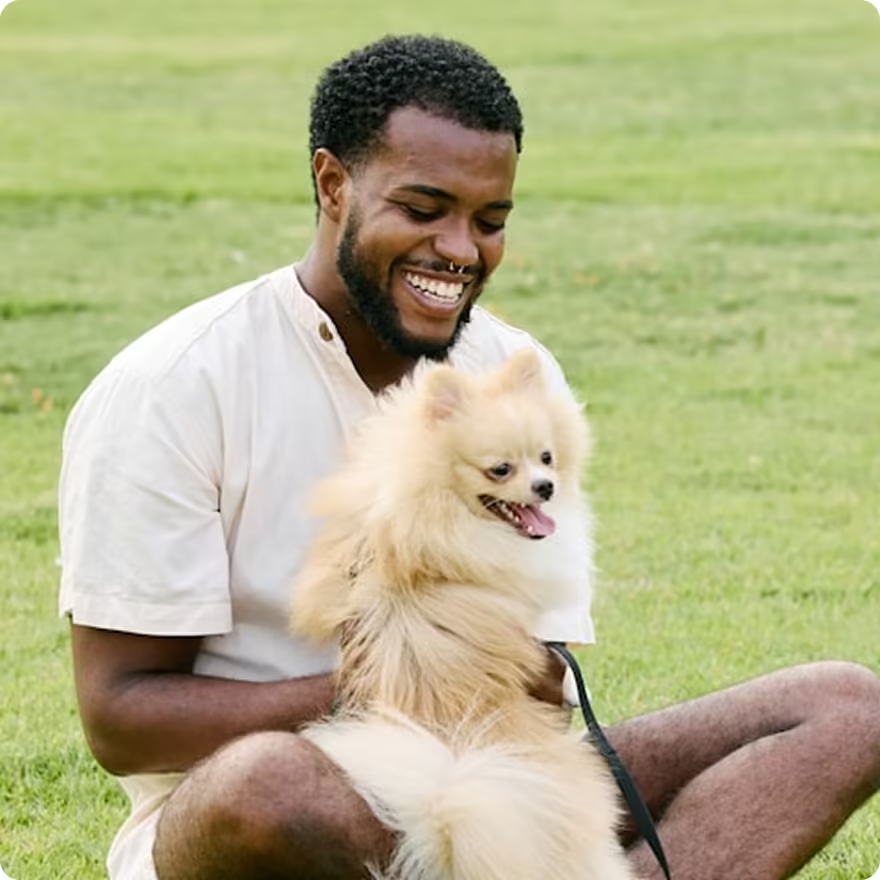
Dogs trained our way become the dogs people ask to pet. They get invited to friend’s houses. They’re welcome at breweries and patios. Your dog goes from “oh no, jumping” to “I want to greet that dog.”
What you’ll see
One Week

Automatic Sitting Behavior
Your dog’s default greeting becomes sitting instead of jumping. Without being prompted every time, your dog learns sitting is the behavior that gets attention. It becomes automatic.
Confident Visitor Interactions
Friends and family enjoy visiting without worrying about being knocked over or jumped on. Guests can pet your dog without defensive posturing or managing muddy paws on their clothes.
Public Welcome Expansion
Your dog becomes welcome at breweries, patios, friend’s homes, and community events instead of being a liability. People actively ask to interact with your dog instead of avoiding them.
Relaxed Family Gatherings
Family occasions stop being stressful management sessions. Your dog calmly greets relatives without constant correction. Holidays and visits become enjoyable instead of exhausting.

Benny S.
Founder
We come to you across Kansas City Metro cities
Frequently asked questions
Can you guarantee my dog will stop jumping completely?
We guarantee effort, expertise, and a proven alternative-behavior protocol—not perfection, because occasional jumping happens during extreme excitement when protocols lapse. That said, 80% of clients achieve consistent polite greeting behaviors within 6 weeks when all household members and visitors respond consistently. Success requires everyone’s commitment to protocols—we train your dog and people; you ensure consistency between sessions by having all visitors follow greeting rules we establish.
What are some tips for practicing polite greetings with a dog before introducing houseguests?
Selective jumping often targets people who react most strongly (children scream, energetic guests reciprocate excitement) or seem most vulnerable (elderly, small people). We practice specifically with triggering individuals—children in your household, energetic friends, various guest types—installing calm greeting protocols regardless of visitor energy or response. Training ensures your dog greets everyone politely, not just calm adults who naturally discourage jumping.
Targeted Practice for Real Results
We don’t just wait for guests to arrive and hope for the best. Instead, we set up focused practice sessions with the specific people your dog is most likely to jump on. This might mean working with your children, having an excitable friend over, or inviting people who move quickly or make a lot of noise. By recreating those real-life scenarios, we can teach your dog to offer polite, calm greetings no matter who walks through the door.
Repetition Builds Strong Habits
Habits aren’t formed overnight, so we recommend practicing these calm greeting routines several times a day—even when guests aren’t present. For example, try 3 to 6 short, focused sessions each day for a few months. Each session only takes a minute or two, but this consistency cements the new behavior. Practicing calm greetings at the door when you come home, not just when guests arrive, helps your dog generalize the polite behavior to every situation.
Gradual Introduction of New People
After a week or so of practice with household members, we add cooperative friends or family to the mix—people who can follow the training plan and respond to your dog consistently. This stepwise approach ensures your dog learns to greet everyone, from excited visitors to the most unpredictable guests, with the same polite manners.
By targeting the people and scenarios that trigger jumping, and repeating calm greeting exercises daily, we help your dog build lasting, reliable greeting habits—so every welcome is a polite one.
What steps should you follow to teach a dog not to jump ip when greeting people at the door?
No. Kneeing, pushing, and physical corrections are interaction—even negative attention reinforces jumping because your dog achieved their goal: engaging you. These methods also risk injury (bruised chest, knocked-over dogs) and damage trust. Our approach: completely ignore jumping (no eye contact, touch, words; turn away), immediately reward sitting/calm standing. Jumping gets zero reinforcement; calm behavior gets all attention. This creates clearer, more effective learning without physical force.
How do you actually teach polite greetings without physical corrections?
We focus on teaching your dog an incompatible behavior—that is, showing them exactly what you want them to do instead of jumping. For most families, this means rewarding your dog for sitting or calmly standing whenever they greet someone. The process is straightforward but requires consistency:
- Practice when your dog is calm. Start practicing greetings throughout the day, not just when guests arrive or when you first walk in the door. Every time you come home, do 5–10 repetitions of rewarding your dog for remaining on the floor or sitting.
- Repetition is key. Habits take time: plan for short, daily practice sessions—just a minute or two, 3–6 times a day. Most dogs need a few months of consistent practice to reliably replace jumping with polite greetings.
- Gradually add distractions. Once your dog is doing well with household members, invite friends or family to help. Choose people who will calmly follow your directions, since consistency is critical. We’ll often practice with energetic guests, children, or anyone your dog finds especially exciting.
Why not correct jumping in the moment?
Physical or verbal corrections still give your dog attention—something jumpers crave. By completely withholding attention when your dog jumps and pouring all your praise and affection onto moments of calm, you teach them which behaviors open the door to interaction. Over time, your dog learns: jumping is boring, but polite greetings get all the love.
This approach works for dogs of all ages and breeds, and helps foster trust and a stronger bond between you and your dog—without anyone getting bruised or frustrated.
How much does jumping training cost?
Jumping on people is covered in Family Training ($2,899). Your free assessment confirms fit for your household.
What are some creative exercises and enrichment activites to help reduce a dog’s excess energy and decrease jumping?
Creative Exercise and Enrichment Ideas to Reduce Jumping
Reducing excess energy is a key step toward calmer greetings—especially for high-energy dogs. While physical exercise like brisk walks or play sessions is valuable, adding mental enrichment makes a world of difference in setting your dog up for success.
Here are some practical ways to channel your dog’s enthusiasm while reinforcing polite greetings:
- Puzzle Feeders & Snuffle Mats: Swap your regular food bowl for a snuffle mat or treat-dispensing puzzle toy (KONG, Outward Hound, Nina Ottosson). These engage your dog’s natural foraging instincts and help tire them out mentally during mealtimes.
- Enrichment Games: Hide treats around a room or inside cardboard boxes, paper towel rolls, or muffin tins. Scent games like “Find It” or “Cookie in the Corner” encourage nose work and problem-solving, making your dog think and burn energy constructively.
- Impulse Control Activities: Practice “wait” or “leave it” games, or teach a structured fetch routine where your dog must sit before the ball is thrown. These exercises reinforce calmness and focus—skills that translate to better greeting behavior.
- Training as Exercise: Short training sessions—working on obedience basics, tricks, or polite greeting drills—engage your dog’s brain and help curb jumping by rewarding self-control.
A well-exercised and mentally satisfied dog is far less likely to jump out of pent-up excitement. Incorporating these activities into your routine not only helps reduce unwanted jumping but also strengthens your bond and creates a more harmonious home.
Will training eliminate my dog’s friendly, enthusiastic personality?
No. Properly implemented jumping training doesn’t suppress enthusiasm—it redirects expression appropriately. Your dog still shows excitement—through wiggly bodies, happy tail wagging, animated sitting—just without launching physically onto people. Most dogs remain just as affectionate and enthusiastic after training; they simply express it politely, earning MORE interaction because people enjoy calm greetings versus overwhelming jumps. Personality stays intact; expression becomes appropriate.
How can hand targeting exercises help stop a dog from jumping?
Hand targeting is a simple but powerful tool often overlooked in jumping protocols. By teaching your dog to touch their nose to your hand on cue, you give them an easy, clear alternative to launching onto people’s legs or laps when greeting. Here’s how this works in real life:
- Redirection: When your dog’s first instinct is to jump, you can proactively cue “Touch”—your dog focuses on finding your outstretched hand, breaking the jumping cycle before it starts.
- Impulse control: Practicing hand targeting at your front door (especially during arrivals and departures) creates a structured routine. Your dog learns that keeping all four paws on the floor is what earns attention, not frantic leaping.
- Positive reinforcement: Each time your dog targets your hand, you mark and reward—making the calm, appropriate greeting more rewarding than jumping ever was.
We encourage families to practice 5-10 hand target reps whenever they walk through the door or have visitors arrive. Over time, this repetition builds muscle memory and gives your dog something fun and productive to do instead of rehearsing unwanted jumping. It’s a win-win: clear communication, less chaos, and a greeting ritual everyone—even guests—can appreciate.
Why do dogs jump up on people, and is it natural dog behavior?
Same root cause (excitement) but different triggers. Homecoming jumping reflects separation relief plus excitement; guest jumping reflects novelty and social stimulation.
It’s important to remember that while we see jumping up on people as rude, dogs don’t share our human etiquette. For them, jumping is a natural way to greet—especially when emotions are high. Among dogs, jumping up is common during play or enthusiastic reunions, but since they’re on four paws and generally similar in height, it’s far less dramatic than when a dog leaps up to reach a standing human. When your dog jumps on you at the door, they’re expressing pure joy at your return in the only way they know how—by getting as close as possible, face to face. When guests arrive, the excitement is about new smells and fresh social energy.
Understanding these canine instincts helps us approach training with empathy. We teach your dog that they can still express excitement—just with all four paws on the floor or through a happy, wiggly sit.
Why is it important to use a marker word when training dogs?
Marker words—like “Yes!” or “Good!”—make training much clearer for your dog. When you use the same, upbeat word every time your dog does the right thing, you’re building a bridge between their action and your approval. This instant feedback helps your dog pinpoint precisely which behavior earned the reward, rather than leaving them guessing.
Consistent marker use speeds up learning and builds your dog’s confidence. Over time, you’ll notice your dog offering good habits more reliably, whether it’s calmly sitting at the door or greeting guests with four paws on the floor. They’re more secure because they know exactly what you want—and how to earn your praise and treats.
Whether you’re using “Yes!” or a clicker like in Karen Pryor‘s widely recognized clicker training, the consistency and timing of your marker is what truly matters. Stick with it, and you’ll see your dog’s best behaviors start appearing like clockwork.
How can treats be used to prevent a dog from jumping on guests?
Kneeing, pushing, and physical corrections are interaction—even negative attention reinforces jumping because your dog achieved their goal: engaging you. These methods also risk injury (bruised chest, knocked-over dogs) and damage trust. Our approach: completely ignore jumping (no eye contact, touch, words; turn away), immediately reward sitting/calm standing. Jumping gets zero reinforcement; calm behavior gets all attention. This creates clearer, more effective learning without physical force.
How do we actually put this into practice?
When a dog is prone to jumping, preparation is key. As you or a visitor arrive, have high-value treats ready—ideally positioned at your sides or even slightly behind you. The moment your dog approaches, avoid reacting to any jumping: turn away, remain silent, and do not make eye contact. As soon as your dog offers a calm sit or stands quietly, immediately reward that behavior with a treat and gentle praise. This directs your dog’s focus toward earning attention through politeness, not excitement.
This method sets your dog up for success and makes your expectations crystal clear: jumping leads to nothing, but calm greetings lead to everything they want. Over time, your dog will naturally choose to sit or stand politely, even when visitors are exciting or new. Consistency from everyone—family, friends, and guests—cements this habit and transforms greetings from chaos into calm predictability.
Is jumping training right for my dog’s breed or energy level?
Yes. We successfully train all breeds and energy levels—from small energetic terriers to large enthusiastic Labs and Golden Retrievers. High-energy dogs require stronger impulse control foundations but respond to the same alternative greeting protocols. Size and energy determine management strategies during training (larger dogs need tethering; smaller dogs need consistent visitor responses) but don’t limit success—all dogs can learn polite greetings regardless of enthusiasm level.
What is the benefit of celebrating and rewarding positive dog behaviors during training?
No. We’re not ignoring your dog—we’re ignoring jumping specifically while immediately rewarding calm greeting behaviors. Your dog receives MORE attention and affection than before—just for sitting/standing calmly instead of jumping. This teaches clearer communication: “Jumping makes people ignore you; sitting makes people love on you.” Your dog learns appropriate ways to earn the interaction they crave, preserving your bond while eliminating problematic jumping.
How Does This Work?
We use consistent marker words (like “yes!” or “good!”) to clearly signal the exact moment your dog offers a polite greeting—whether it’s sitting, standing calmly, making eye contact, or coming to you without leaping. The marker, paired with praise or a treat, tells your dog this is the behavior that earns celebration. This not only helps your dog understand what’s wanted, but also builds their confidence and trust, since the rules and rewards are clear.
Why Reward Calm Greetings?
Often, we forget to teach dogs what we do want. By actively celebrating desired behaviors—waggly sits, gentle approaches, patient waiting at the door—you make it obvious to your dog how they can receive your love and attention. The key is consistency: reward those wanted actions every time you see them. Over time, your dog forms new, polite habits and learns that calm greetings always pay off.
This approach doesn’t diminish your dog’s enthusiasm or the warmth of your relationship. Instead, it channels their excitement into behaviors that make everyone happier—your dog included.
How does chaining multiple cues help stop jumping?
Chaining cues—a training strategy where your dog learns to perform a series of behaviors in sequence—can be incredibly effective for preventing jumping. Instead of jumping, your dog learns to offer a different chain of behaviors (like “sit,” “make eye contact,” and then “touch your hand with their nose”) when meeting people. Here’s why it works:
- Gives clear expectations: Presenting a predictable series of cues helps your dog understand exactly what to do instead of jumping. For example, the moment someone enters, you cue “sit,” followed by “look at me,” and then reward when they respond appropriately.
- Prevents confusion: When your dog knows what’s coming next—thanks to practicing these chains—they’re less likely to default to old habits like jumping for attention.
- Channels excitement: High-energy dogs often jump because they simply don’t know where else to direct their enthusiasm. Chaining behaviors gives that excitement somewhere productive to go.
- Real-life practice: We coach you through chaining these cues with family, friends, and different visitors so your dog learns to use polite greetings regardless of who walks through the door.
By teaching a reliable sequence, your dog has a step-by-step “greeting routine.” Instead of leaping up, they’ll know to sit, make eye contact, and maybe give a polite nose touch—all earning praise and affection. This makes their greetings a win for both your dog and your visitors.
How long does it take to stop jumping completely?
Most families see 50-70% jumping reduction within 2-3 weeks as alternative behaviors (sit to greet) are installed and excitement management improves. Full reliability typically requires 4-6 weeks depending on jumping severity, household consistency, and visitor cooperation. Dogs with years of reinforced jumping or extreme excitement may need 6-8 weeks for complete reliability in all situations. Success depends on everyone (household members + visitors) following consistent protocols—we provide training; you ensure all people respond appropriately.
Ready for a calmer, happier home?
Let’s start with a complimentary in-home assessment. Please fill out our form so we can understand your dog’s needs and create a custom training plan.
Or call us:

We will help you choose the right program.
Book your assessment
"*" indicates required fields